
Last updated November 21, 2026
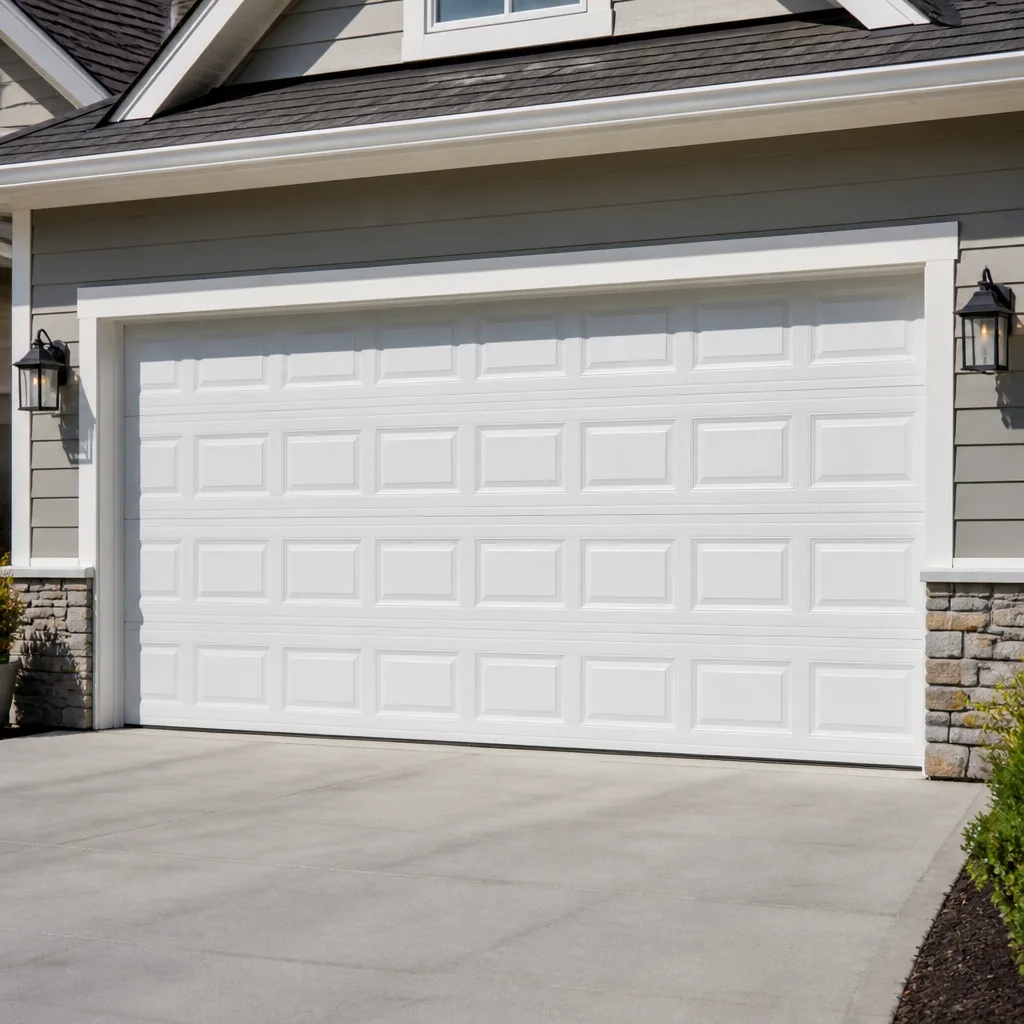 Raised-panel steel
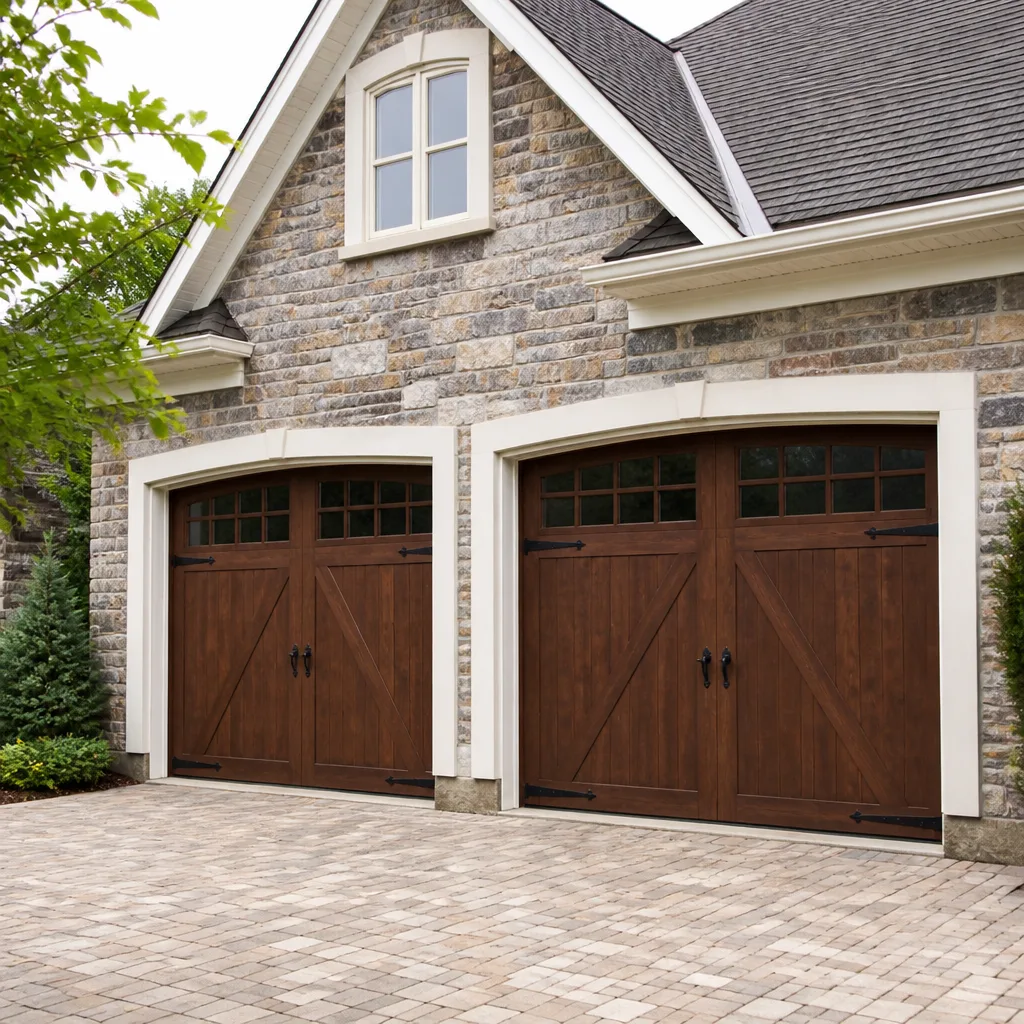 Carriage house
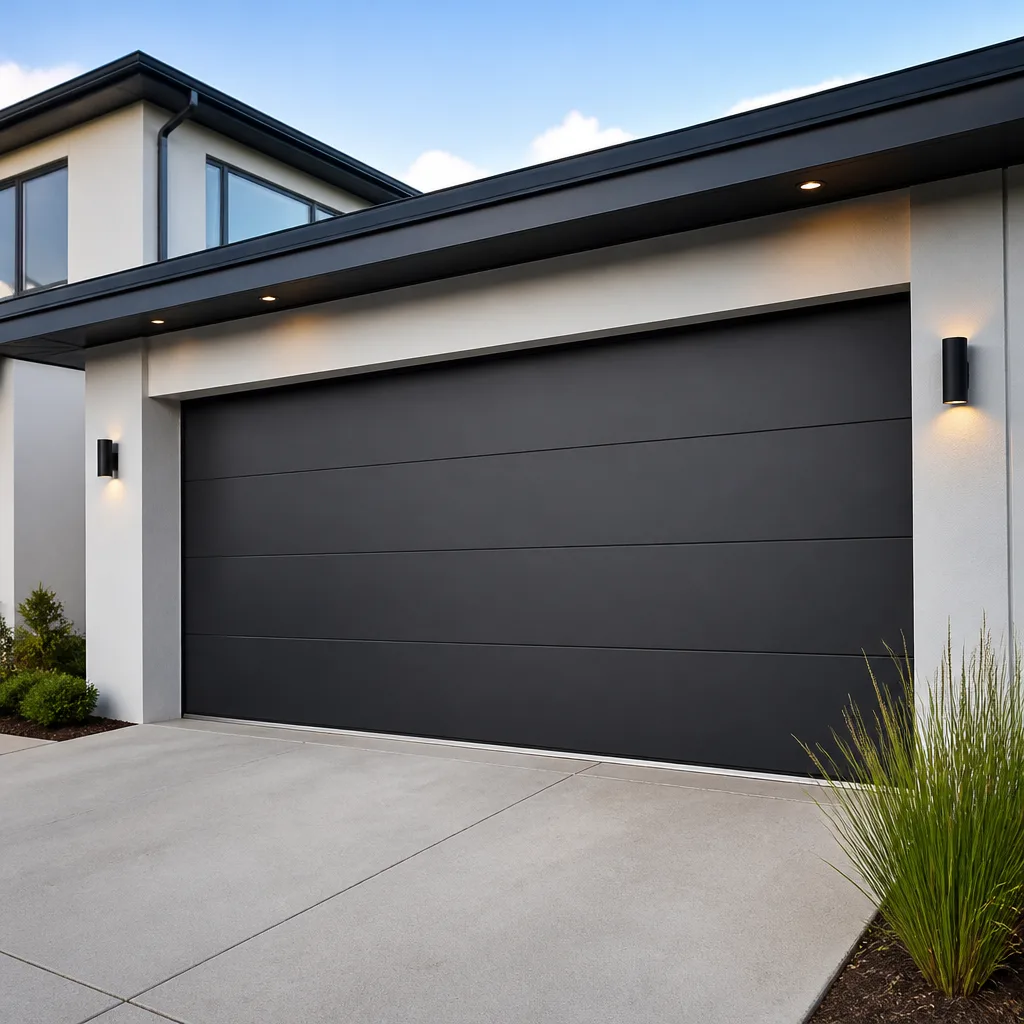 Modern flush
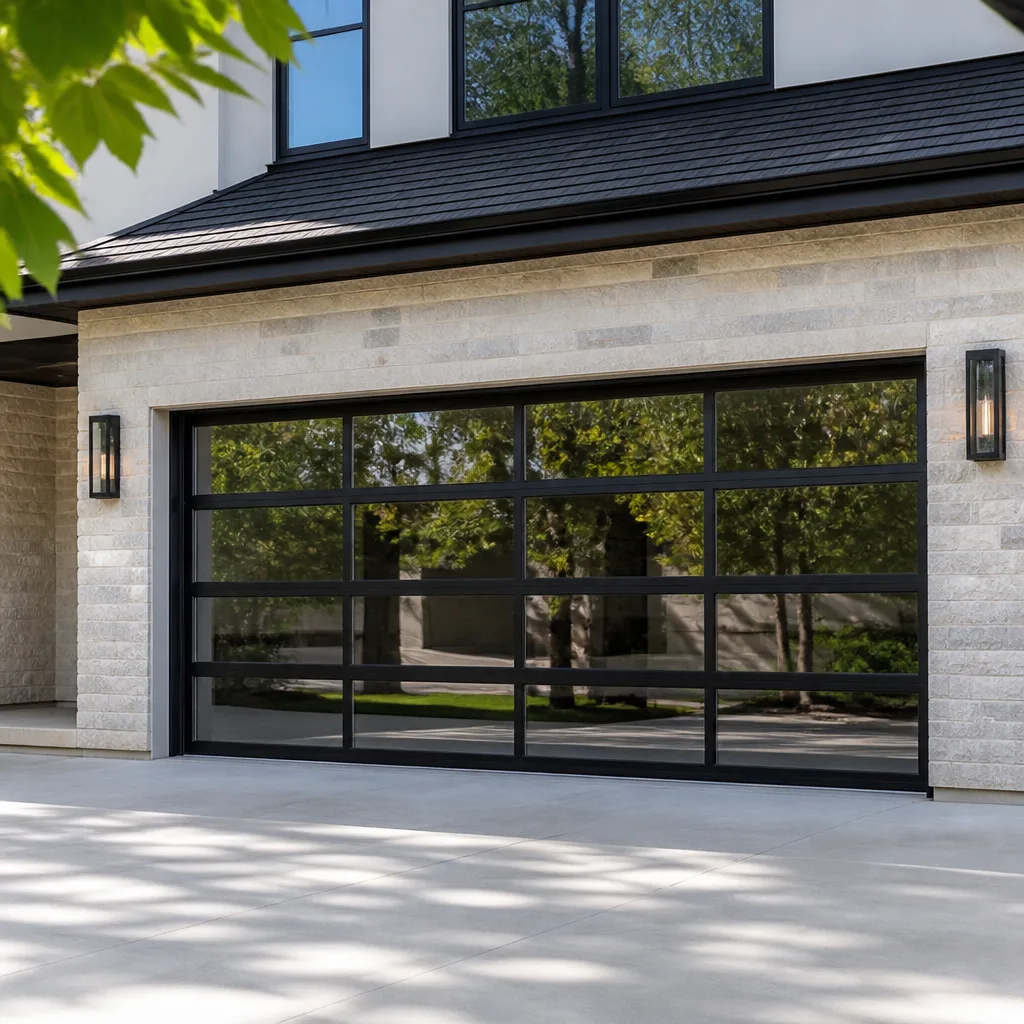 Full-view glass
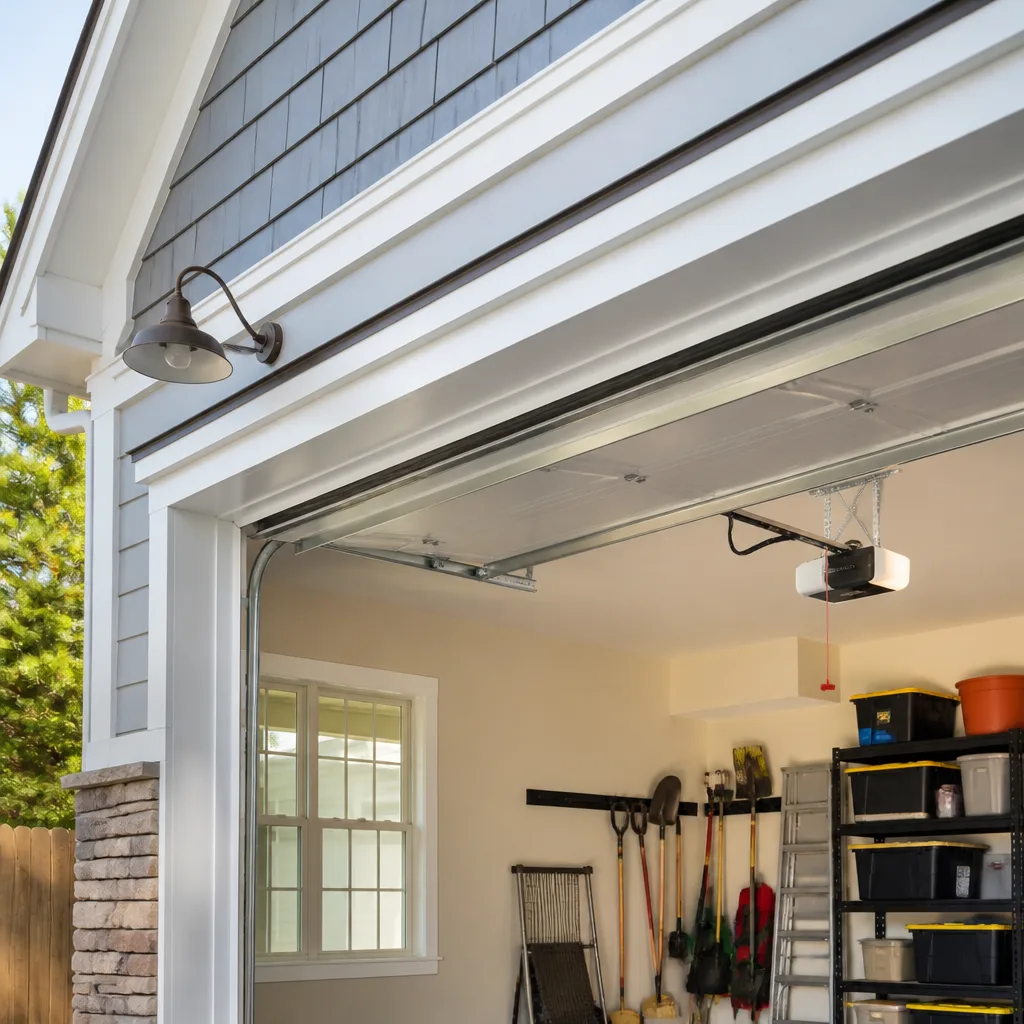 LiftMaster openers
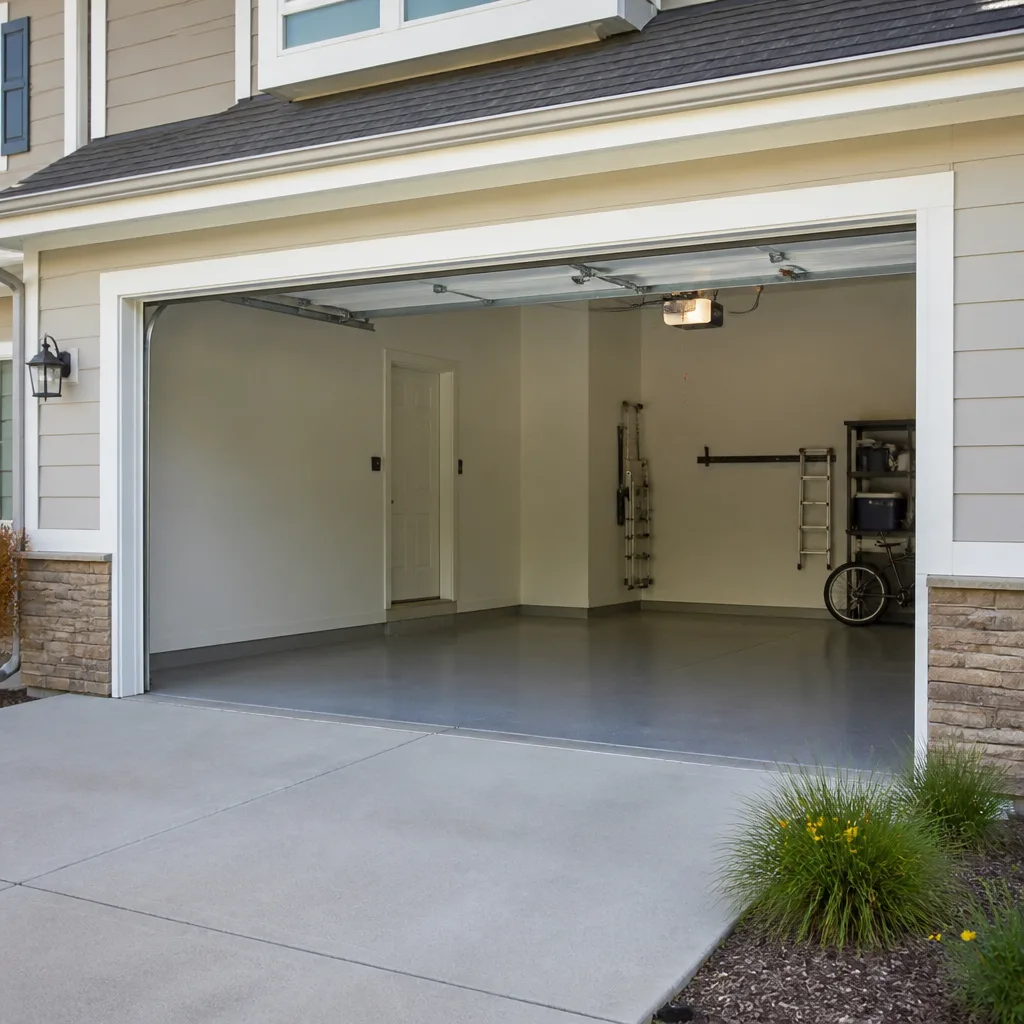 Chamberlain openers
Full 25-point door and opener safety check with every visit - springs, cables, rollers, tracks, and your LiftMaster or Chamberlain opener included
You get a price before we start. It does not change when the pro arrives.
Get your free estimateSeasonal Garage Door Care for Columbia: Year-Round Homeowner’s Guide
The garage door problem most Columbia homeowners blame on winter actually starts in October. Lubricants you (or a previous owner) applied in summer have thinned out by early fall, and bare metal begins to grind against bare metal at every hinge and roller. By December the door is loud. By February, something breaks. The mid-Atlantic climate here gives us real versions of all four seasons, which means your door faces four genuinely different sets of stress across a single year, not one long winter to survive. This guide walks through what each season asks of your door and opener, how to spot trouble early, and why October is the highest-leverage month on the calendar.
Quick Answer
Garage door care in Columbia follows a four-season rhythm: fall lubrication and balance checks prevent most winter failures, winter calls for watching seal compression and listening for spring strain, spring is for finding and fixing winter damage before it compounds, and summer is the right time for humidity, UV and balance inspection. A 15-minute walk-around each season catches most developing problems before they turn into emergency calls.
Styles & brands we work with
- Raised-panel steel
- Carriage house
- Modern flush
- Full-view glass
- LiftMaster openers
- Chamberlain openers
Table of Contents
- Why Columbia’s Climate Is Hard on Garage Doors
- Fall: The Highest-Leverage Season for Your Door
- Winter: What’s Normal and What Needs Service
- Spring: Finding Damage Before It Compounds
- Summer: Humidity, UV and the Balance Test
- The 15-Minute Seasonal Walk-Around
- Openers and Smart Systems Through the Seasons
- Common Mistakes to Avoid
- When to Call a Professional
Why Columbia’s Climate Is Hard on Garage Doors
Garage doors are mostly metal and mostly exposed to whatever the weather does, and Columbia’s weather does a lot. Howard County sits in a climate band where summers run humid, winters dip below freezing for real stretches, and the shoulder seasons swing hard in both directions. For a garage door, rapid swings matter as much as the extremes. Metal expands in afternoon heat and contracts overnight, and every cycle nudges hardware that was already a little loose toward looser.
The garage itself is usually the least climate-controlled room in a Columbia house. That has practical consequences you can feel. In summer, warm humid air meets a cooler slab and condensation forms. In winter, the same garage sits closer to outdoor temperature than the rest of the house, so a bottom seal that touches the floor in October can shrink away from it by January. Wood components, if your door has them, swell and shrink with the seasons too. Paint takes UV on the south-facing side of a house and holds up; paint on the shaded side holds up differently.
None of this is alarming on its own. But it explains a pattern we see often: a door that felt fine in the fall develops a rattle in deep winter and a real problem by spring. The hardware was wearing all along. The cold just made it obvious.
We work on the brand already in your home, which helps here. A Clopay steel door and an Amarr door age differently, and the failure modes of a LiftMaster opener aren’t the same as a Genie. Knowing what a specific brand does when the temperature drops lets us separate normal seasonal behavior from something that needs attention.
Fall: The Highest-Leverage Season for Your Door
October is the single most important month for garage door care in Columbia. Here’s the reasoning: the lubricant you need for winter has to go on while temperatures are still mild enough for it to work into moving parts. Once the cold sets in, lubricant applied on a cold morning sits on the surface instead of getting where it needs to go. Fall maintenance is essentially winter insurance, and it’s cheap.
What fall care actually involves, in order of impact:
- Lubricate hinges, rollers, and the torsion shaft tracks. Use a garage-door-specific lubricant, not thick grease that collects grit. This is the step that prevents the October thinning-to-December-rattle problem.
- Check the rollers for wear. Nylon rollers should look intact; steel rollers should turn freely. A roller that has lost its bearing surface turns a smooth glide into a metal-on-metal grind.
- Look at the bottom seal. Press it with a hand. If it’s stiff, cracked, or not making full contact with the floor, it’ll leak cold air and water all winter.
- Test the balance. Pull the opener’s release rope and lift the door by hand. A balanced door stays where you leave it. It shouldn’t fall or drift. If it does, springs or cables are involved, and that’s a professional call, not a homeowner one.
- Reverse-test the safety sensors. Put an object in the door’s path and confirm it reverses. This matters most in winter, when a child or pet is most likely to be caught out by a fast-closing door.
This is also the season to listen. A door that’s quiet now and quiet in October is a door that’s usually quiet through February. Any new noise in fall is worth investigating while the weather still cooperates. If you find something that needs fixing, our garage door repair page covers what’s typical to address.
Winter: What’s Normal and What Needs Service
Below-freezing temperatures change how every part of your door system behaves, and knowing what’s within normal range saves a lot of unnecessary worry. Here’s what to expect in a Columbia winter, and what to watch for.
Bottom seal compression
Rubber and vinyl seals get less flexible as temperatures drop, which means the seal may not press as tight against a cold concrete floor. You might see more daylight under the door or feel a draft. A little is normal. If the seal is visibly separated from the floor over a long stretch, or water is getting in, that’s not a compression issue – it’s a worn seal, and replacing it keeps your garage drier and warmer.
Torsion spring tension
Steel springs lose some tension in cold weather, and the door may feel heavier. That’s expected. What isn’t expected is a loud bang, a door that won’t open, or a door that drops the last few feet. Those point to spring failure. Torsion springs are under enormous tension and are the single most dangerous part of a garage door to touch. This is one repair that should never be a DIY job. If you suspect a spring problem, leave the door closed and call us. Our garage door spring repair page walks through what we handle and why the safety stakes are real.
Opener torque
An opener has to work harder to lift a cold, stiffer door. Most modern openers manage fine, but a door that limps up slowly in January is telling you something. A strain that wasn’t there in October could be spring tension, roller drag, or a door that’s out of balance. It’s worth checking before the opener wears out trying to do work it shouldn’t have to do.
What to do about it
Before you call, run the reverse test and note any sound or hesitation you hear. Any detail you can give the technician shortens the diagnostic time. When your door won’t open, waiting isn’t an option, and we handle emergency calls for exactly that. We answer 24/7. Fast dispatch from 7am to 7pm, Sunday through Friday.
Spring: Finding Damage Before It Compounds
Spring is the season for finding what winter left behind. Cold-weather wear shows up as small problems that are easy to ignore and expensive to leave alone. Here’s where to look.
- Water intrusion at the threshold. Snow melt and spring rain test the bottom seal and the frame. Look for moisture stains on the garage floor near the door, peeling paint at the bottom of the frame, or soft spots. Water that gets under the threshold in spring often finds its way into the garage all year.
- Spring and cable condition. Winter is hard on both. Check for visible gaps or fraying in cables, and look for a torsion spring that has lost tension or a door that’s noticeably harder to lift than it should be. Cables are under tension too. This is a professional inspection, not a look-with-your-hands task.
- Weatherstripping and frame trim. Wood trim around the opening takes the worst of the moisture. Soft or rotted trim is worth repairing before summer because a gap invites insects and water both.
- Hardware fasteners. Bolts and screws work loose over a winter of temperature cycling. A bracket that rattled in February usually needs a tighten in April.
- Paint and finish. Winter weather and any road salt you track in take a toll on painted steel at the bottom of the door. Touch up bare metal now, before summer’s sun bakes the issue in.
Spring is also a good time to think about the opener. If your door is working harder than it should, the opener is working harder too. We diagnose and repair the electronics along with the mechanical side through garage door opener repair, which covers everything from a dying remote to a control board problem.
Summer: Humidity, UV and the Right Time for a Balance Test
Summer looks like the easy season. In practice it’s the one that quietly sets up the failures you’ll see in the fall. Here’s what’s actually happening in a Columbia garage in July.
Humidity and wood swelling
Wood components in a garage door are rare on newer steel and aluminum doors, but plenty of homes still have wood frames and trim. In a humid summer, wood swells. Doors and frames can bind, hinges can get stiff, and a door that glided in May might stick a little by August. Swelling isn’t damage, but persistent binding is. If the door is fighting the frame, that’s a balance issue worth checking.
UV degradation on painted steel
Paint takes UV on the side of the house that faces the sun, and the top panel of a door takes it worst. Chalkiness, dulling, and fine surface cracking are common in a south-facing door after a few summers. Catching it early with a clean and a touch-up coat is much cheaper than repainting an entire door. On a Clopay or Amarr steel door, the factory finish holds up well, but the top edge of the panel is where the color goes first.
Why summer is the right time for a balance test
Balance is best measured in summer for a simple reason: expansion. Metal parts are at their most relaxed in warm weather, and the door is least likely to be affected by cold-weather stiffness. If the door balances cleanly in July, it’s a true reading. Pull the opener release, lift the door by hand, and see if it stays at half-open. If it drifts up or drops down, the balance is off and springs or cables are the likely cause.
Summer is also when to consider an inspection before the fall rush. If your door has any question marks heading into October, now is your window to fix them. We diagnose for free, and there’s no reason to head into the high-stakes season with a known problem.
The 15-Minute Seasonal Walk-Around
Most developing problems give you a heads-up months before they become emergency calls. A simple walk-around catches the vast majority of them, and it takes about 15 minutes. Do it once each season, and note anything that changed since the last time.
- Look up and down the door. Any panel dented, any hinge bent, any panel out of line? Look at the door’s edges from the inside to see if it’s still square.
- Run the door and listen. Squeaks and rattles are early warnings. A smooth door should sound smooth. New noises are the single best indicator of something wearing.
- Check the seal and threshold. Look from inside with the door closed. Any daylight or draft is your cue.
- Lubricate the moving parts. Hinges, rollers, and the travel path for the torsion shaft. A little goes a long way. Wipe off excess; grit sticks to extra lubricant.
- Test balance. Release the door and lift by hand. It should stay where you leave it. A door that wants to rise or fall on its own needs professional attention.
- Test the safety reverse. Confirm the door reverses when it meets an obstacle. This should be done monthly, but a seasonal check is the minimum.
- Look at the springs and cables. Without touching them, check for visible gaps, fraying, or a spring that has lost tension. If you see any of these, stop and call. Springs and cables are under tension and shouldn’t be handled by anyone but a trained technician.
That’s it. Fifteen minutes, four times a year. The point isn’t to fix everything yourself, it’s to know what’s developing so you can decide when it’s worth a professional look.
Openers and Smart Systems Through the Seasons
The mechanical door gets most of the attention, but the opener has its own seasonal rhythm, and modern smart openers have a few additional considerations worth knowing.
In winter, the opener is working harder and may show strain with slow lifting or hesitation. In summer, a warm garage can stress older electronic boards and connections. The seasonal walk-around is the right time to check the opener’s travel limits and force settings, which are adjustable on most units and can drift over time. A door that reverses for no reason or fails to close fully is usually a limit setting, not a broken opener.
If your opener is Wi-Fi enabled (most current LiftMaster and Chamberlain models are, and LiftMaster’s myQ ecosystem is common in Columbia homes), summer is a good time to check the app’s history and confirm the door’s status reports accurately. Smart openers add real convenience, but the phone doesn’t know the door is bound in the frame. The walk-around still does the real work.
Every opener has a motor, a belt or chain, a control board, and safety sensors, and any of them can fail on its own schedule. When something stops working, the question is whether it’s the opener or the door it’s trying to lift. If you’re unsure, our garage door opener repair page explains how we separate the two. Brands like Genie and Chamberlain account for a lot of the openers we see, and each has a few known failure points that save diagnosis time once we know what we’re looking at.
Common Mistakes to Avoid
- Waiting until winter to lubricate. Lubricant applied on a cold morning doesn’t get into the moving parts the way it needs to. By the time it’s cold, you’ve missed the window. Lubricate in October, not December.
- Using the wrong lubricant. Thick grease or WD-40 collects grit and makes things worse. A garage-door-specific lubricant is what the moving parts are designed for.
- Ignoring a new noise. A door that’s quiet in spring and noisy in December usually had a developing problem all summer. Noise is the cheapest diagnostic you have.
- Adjusting spring tension yourself. This is the mistake that puts homeowners in the emergency room. Springs are under enormous tension and shouldn’t be touched. Springs are dangerous, and this is one repair that shouldn’t be DIY’d.
- Forgetting the safety reverse test. It’s easy to skip because the door seems fine. A door that doesn’t reverse is a real injury risk, and the test takes ten seconds.
- Skipping the bottom seal. A worn seal lets in water and drafts, and in winter it lets in cold that stresses the rest of the door. Replacing it is inexpensive and prevents a bigger problem.
- Treating the door and opener as separate systems. They’re one system. A door that’s out of balance strains the opener, and an opener that’s worn out struggles to lift a door that’s working fine. Diagnose both.
When to Call a Professional
Most seasonal care is within reach of a homeowner with a ladder and 15 minutes. Some of it isn’t, and pretending otherwise is where people get hurt or waste money. Call us when a door won’t open or close, when a spring looks damaged or the door won’t stay put, when cables show fraying or slack, when the door has visibly come off its tracks, or when the opener clicks without moving the door. Any of these are safety concerns, not maintenance items. The single-trade focus matters here: garage doors are all we do, which means the diagnosis is faster and the fix is done once. Columbia Garage Door Repair Co offers free estimates in Columbia. Call (855) 506-9884. We answer 24/7. Fast dispatch from 7am to 7pm, Sunday through Friday.
See the difference
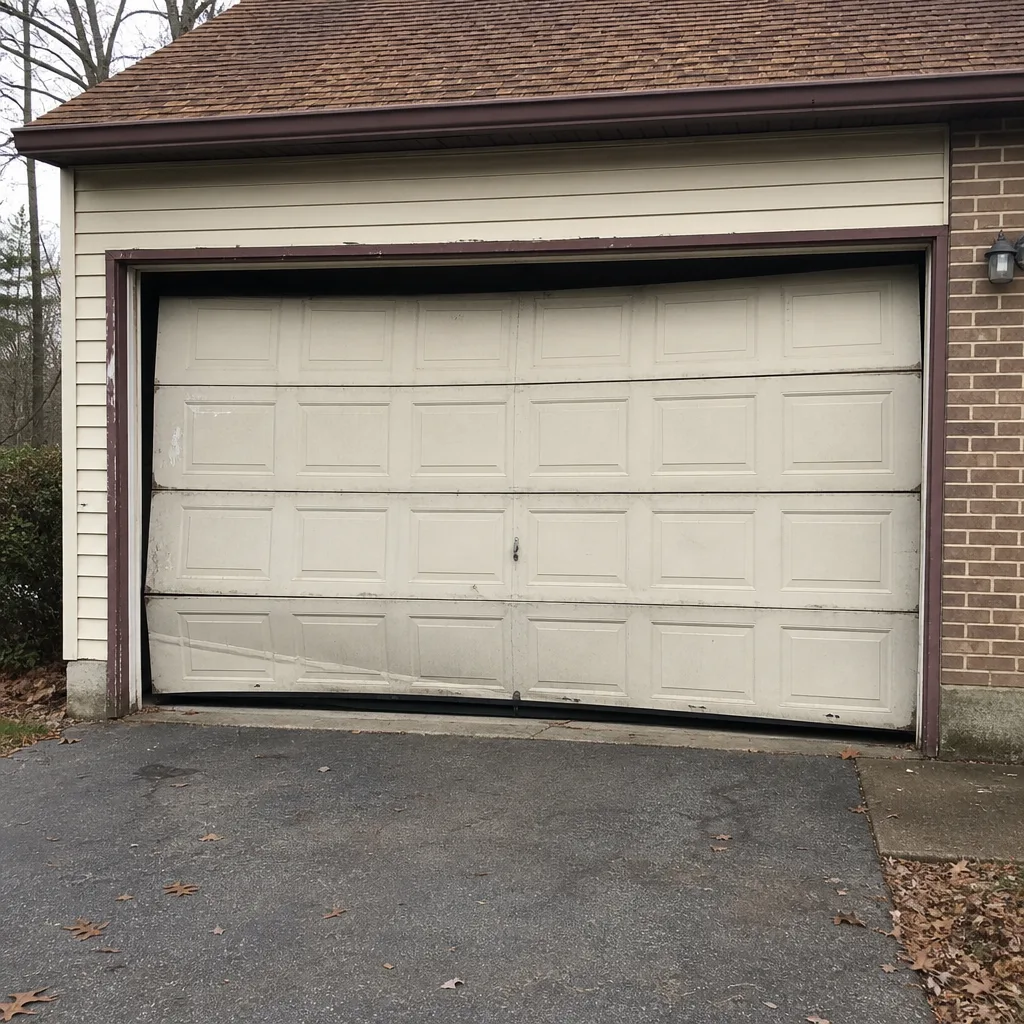 Before
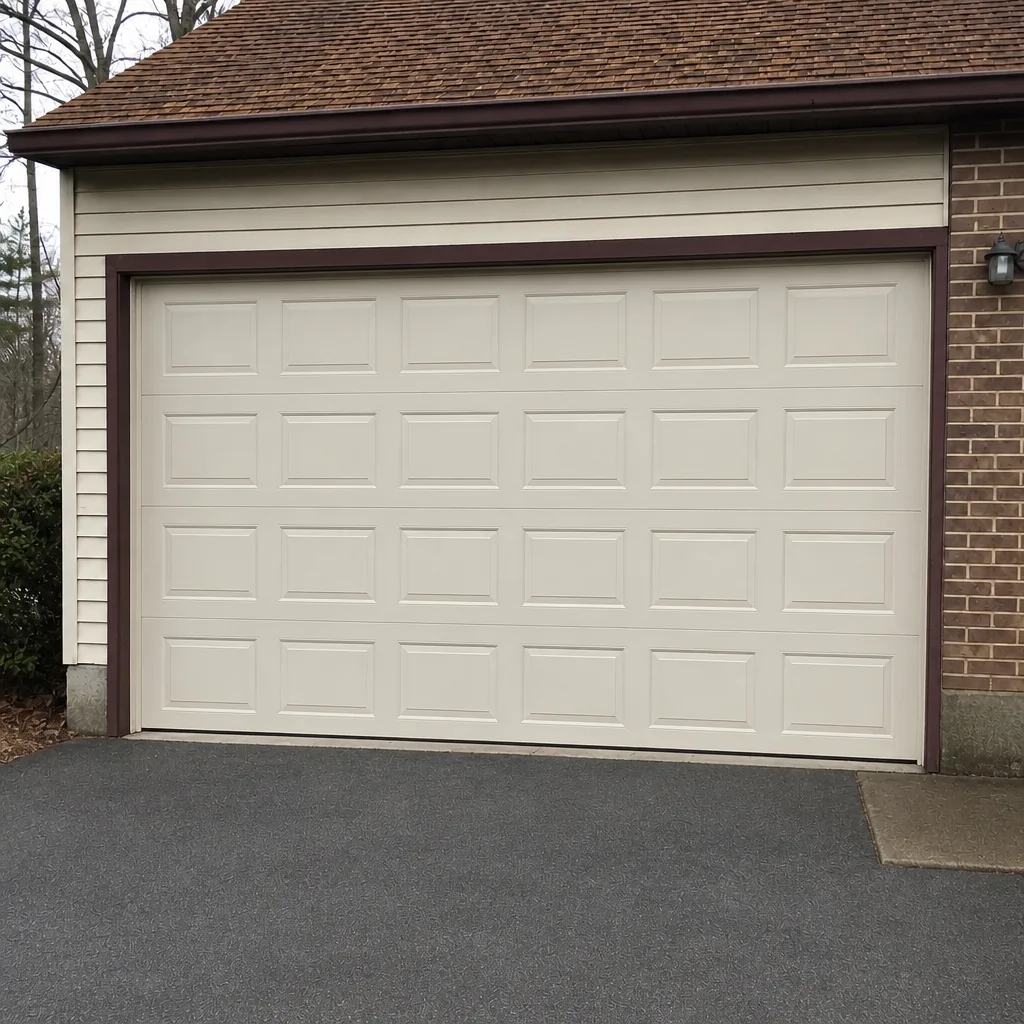 After
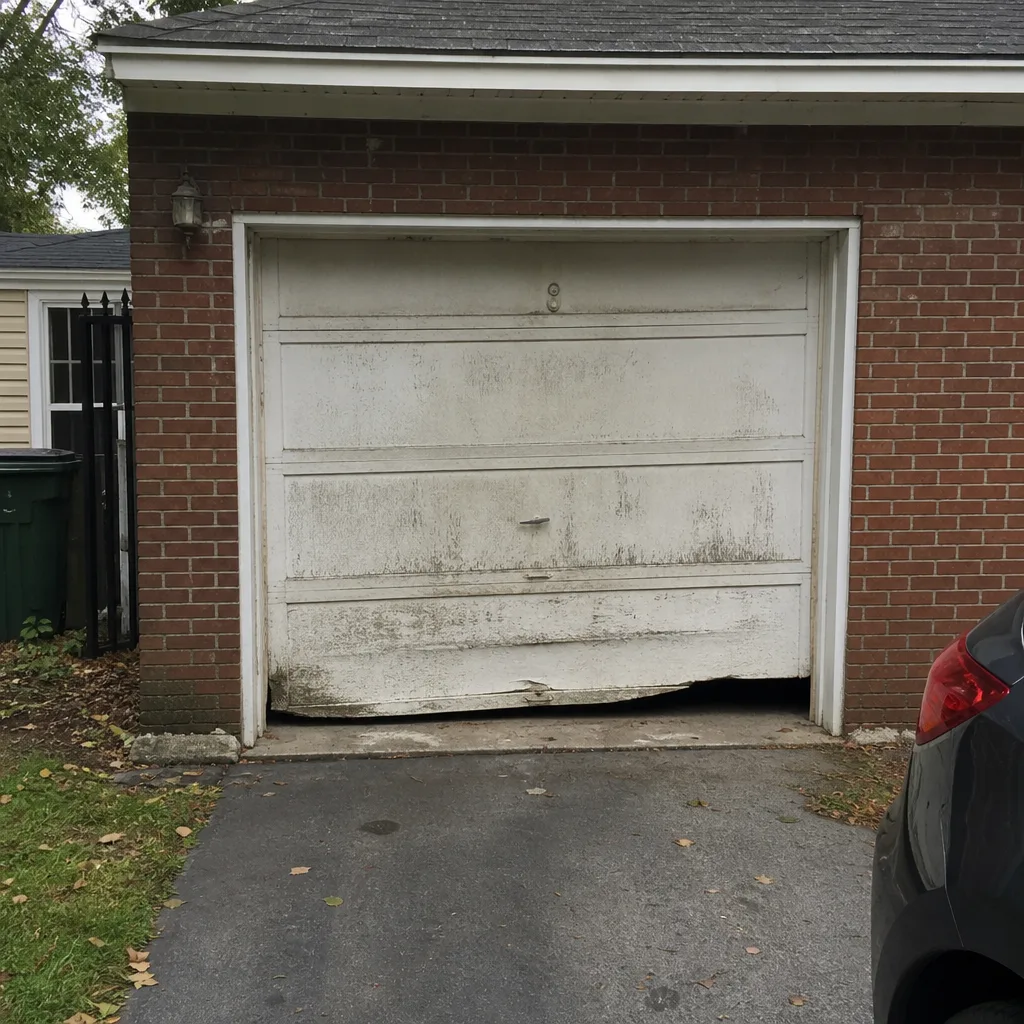 Before
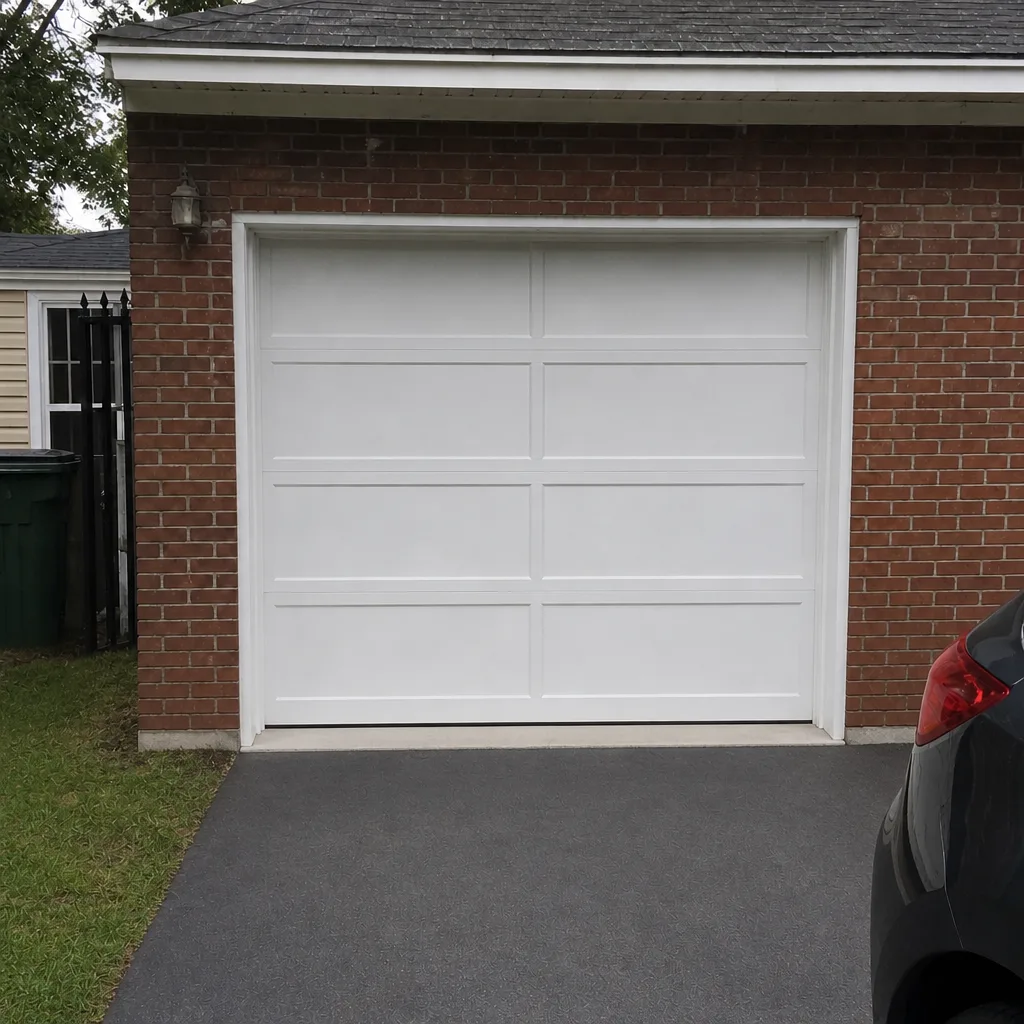 After
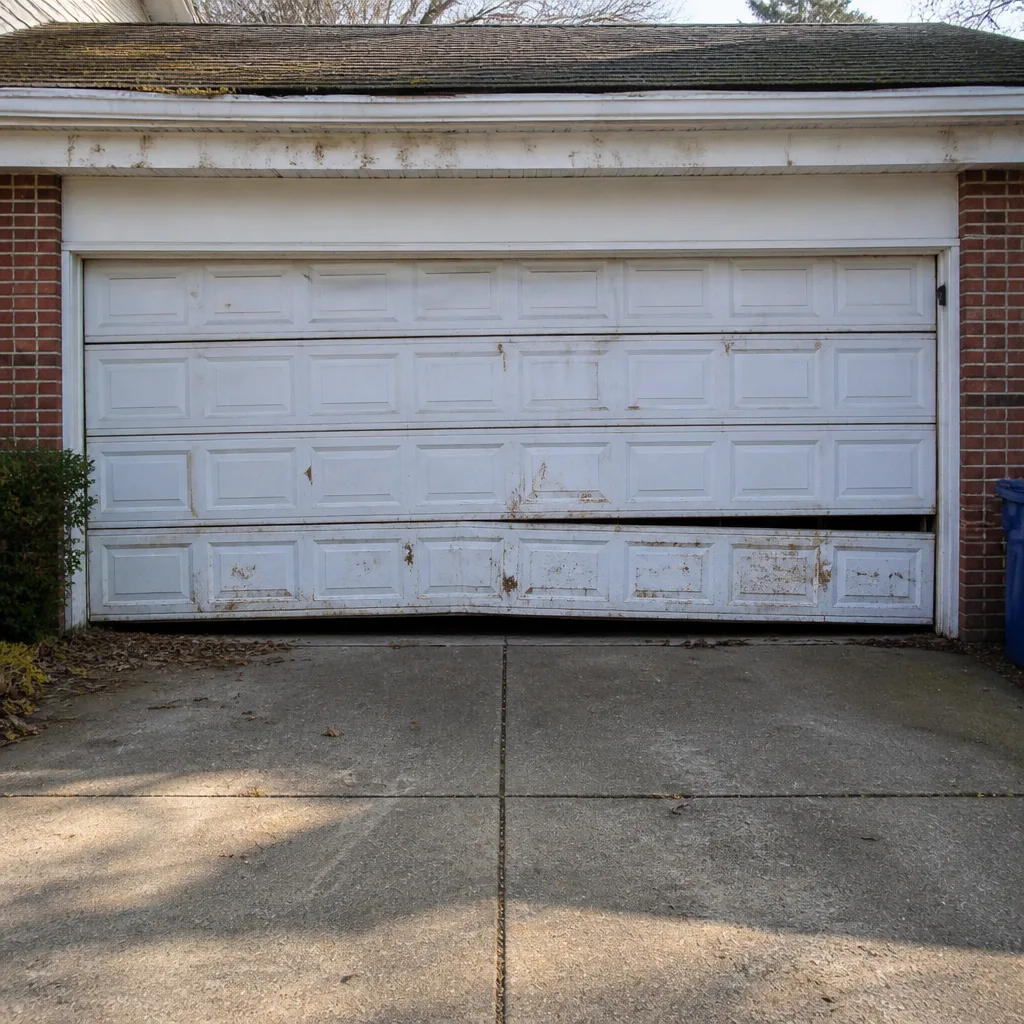 Before
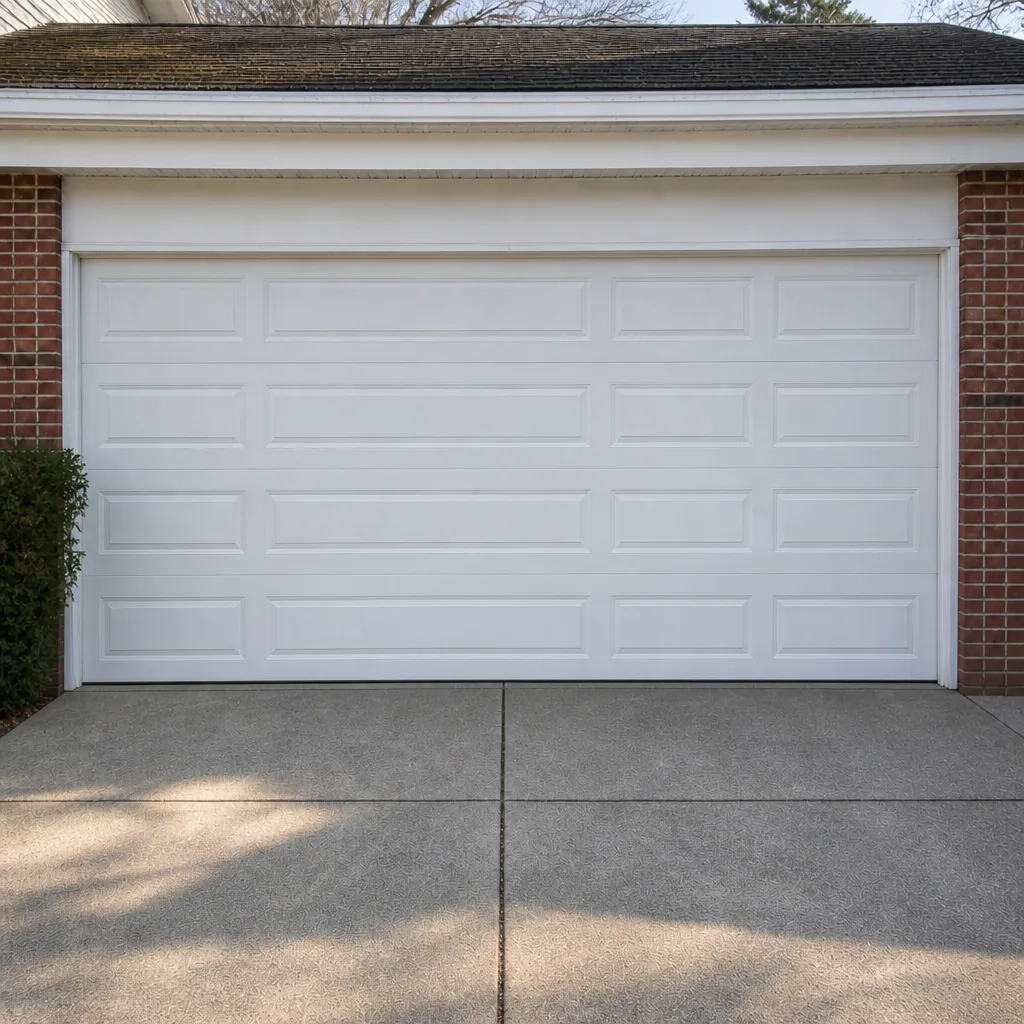 After
Frequently Asked Questions
Twice a year is plenty for most doors, and the fall lub is the more important of the two. Apply a garage-door-specific lubricant in October, before temperatures drop, and again in spring. If your door runs daily, once a season is fine.
Cold weather stiffens rubber and thins out lubricant applied in warmer months, so metal parts that were gliding in fall start grinding in winter. The noise is the symptom. The cause is usually a developing lubrication or roller problem that started in October.
No. Torsion springs are under enormous tension, and a spring that lets go while you’re working on it can cause serious injury. This is the one repair in the garage door category where we strongly recommend a trained professional.
A little extra effort is normal, and most openers handle it. A door that’s noticeably harder to lift or limps slowly up is telling you something. That’s worth having looked at before the opener wears out trying to compensate.
Fall is the highest-leverage time, because October inspection and maintenance prevents the winter failures that show up as emergency calls. Spring is the second-best time, largely to catch damage winter left behind before it compounds through summer.
Humidity causes swelling in wood frames and can make a door fight the opening it runs in. If the binding is persistent, it’s usually a balance or alignment issue. A quick professional check confirms whether it’s weather or wear.
The Bottom Line
Seasonal garage door care in Columbia comes down to four priorities, one per season. Fall is for lubrication and balance checks, and October is the month that matters most. Winter is for knowing what’s normal and watching the seal, springs, and opener for signs of strain. Spring is for finding winter’s damage before summer hides it. Summer is for humidity, UV, and the balance test that’s most accurate in warm weather. A 15-minute walk-around each season catches most developing problems before they become emergency calls. When something crosses into repair territory, or a spring looks off, call in a specialist. Garage doors are all we do, and we’re here for the whole lifespan of yours, from a worn roller to a full new door install. Questions about the guide or your own door? Call Columbia Garage Door Repair Co at (855) 506-9884 for a free estimate. If you’d like to know more about who we are, there’s more on Columbia Garage Door Repair Co.
Written by the team at Columbia Garage Door Repair Co.