
Last updated November 21, 2026
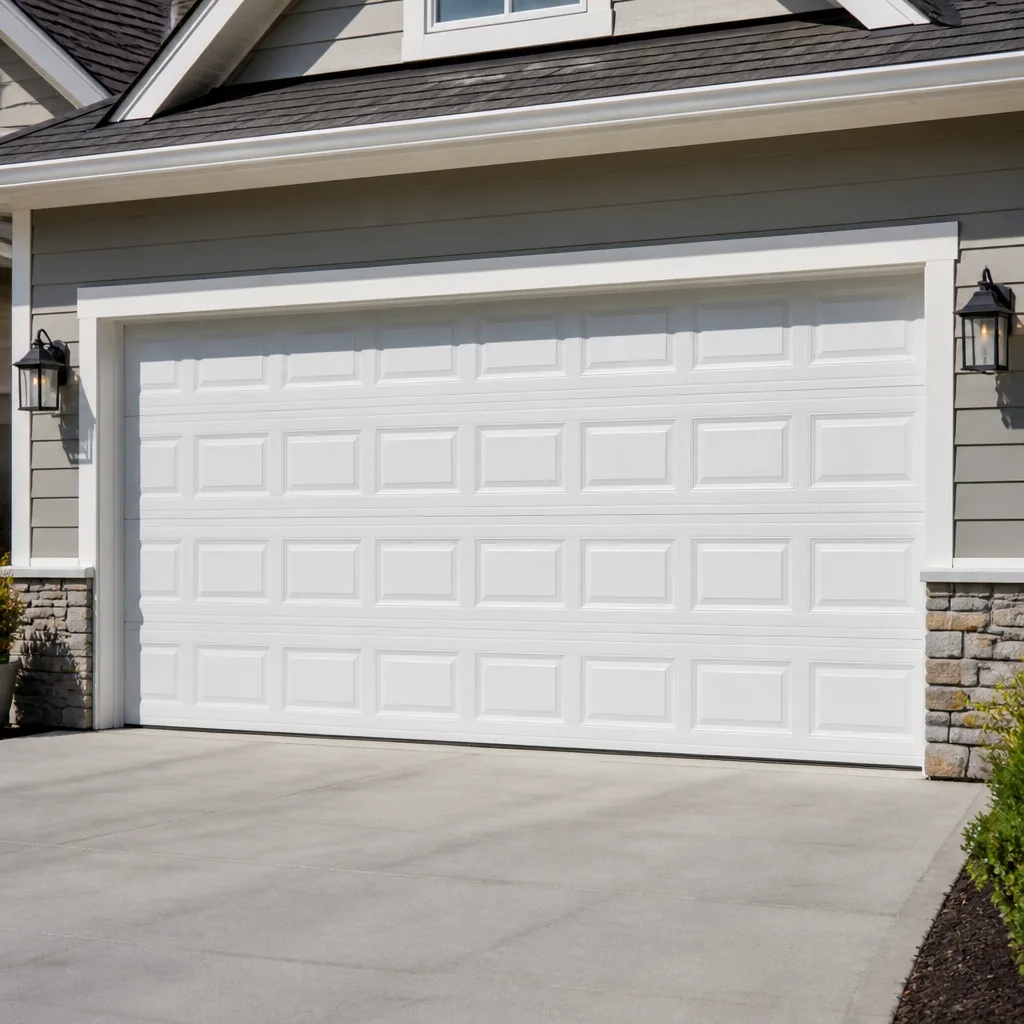 Raised-panel steel
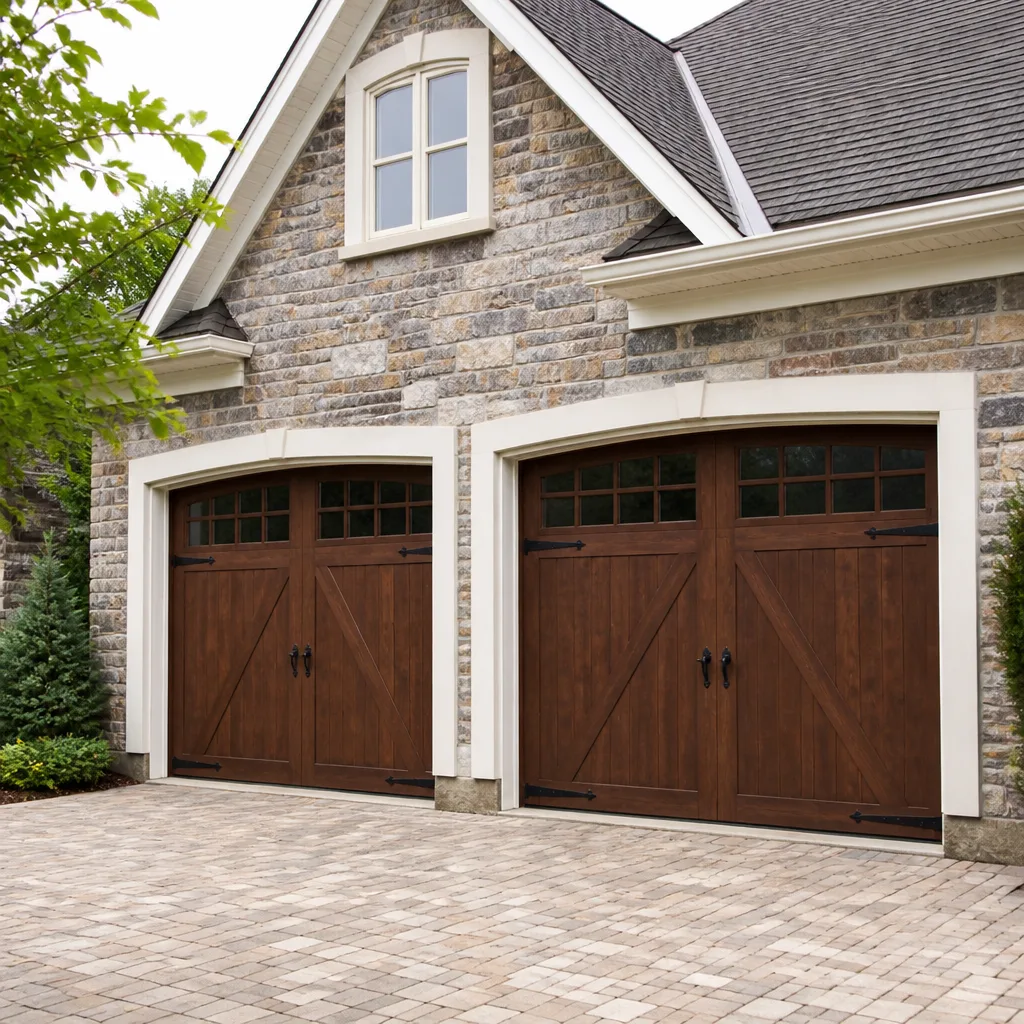 Carriage house
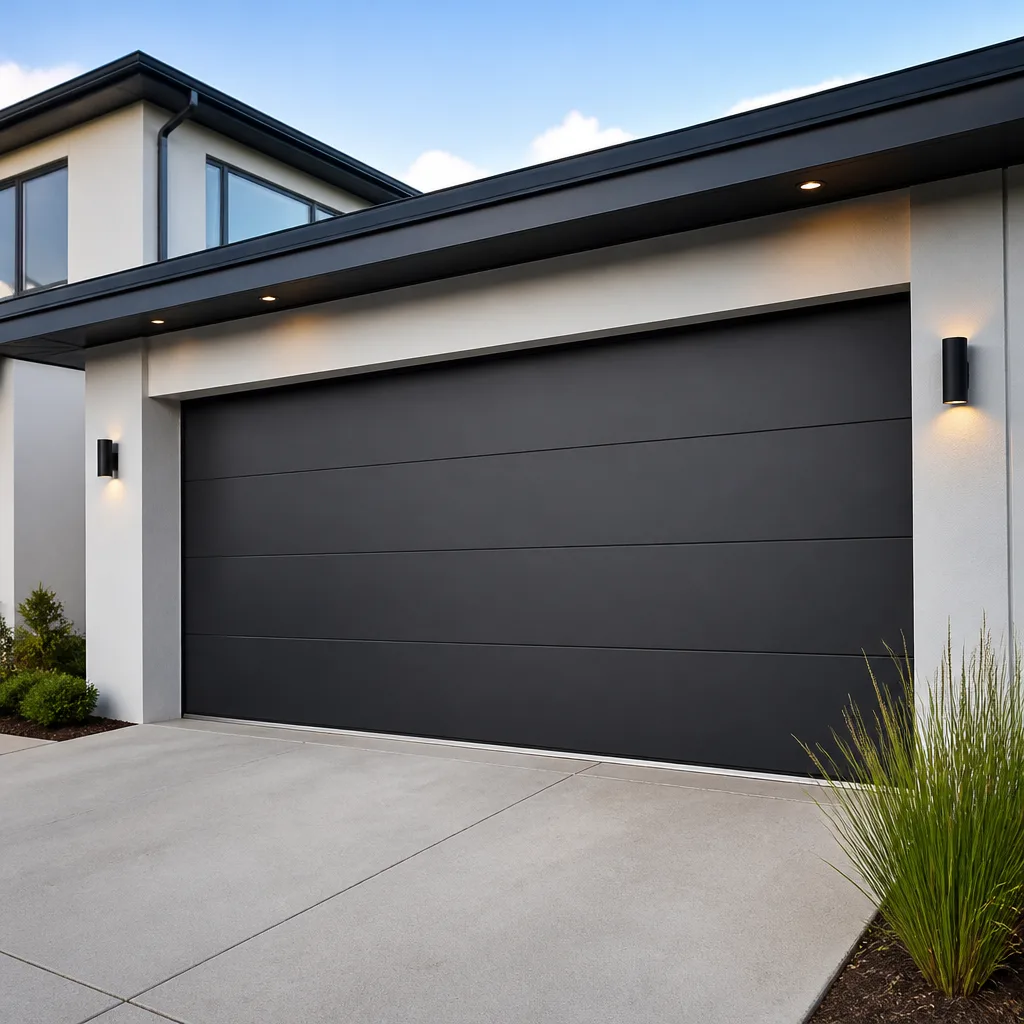 Modern flush
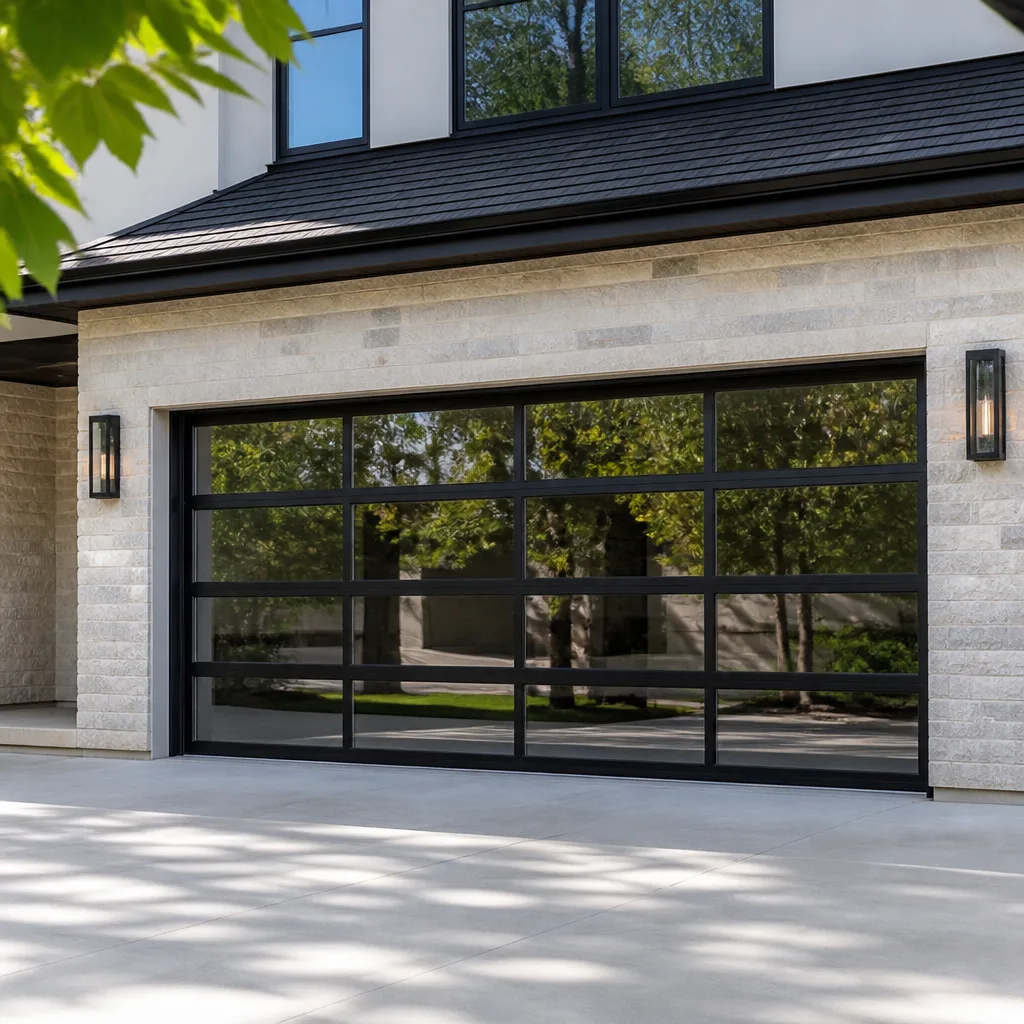 Full-view glass
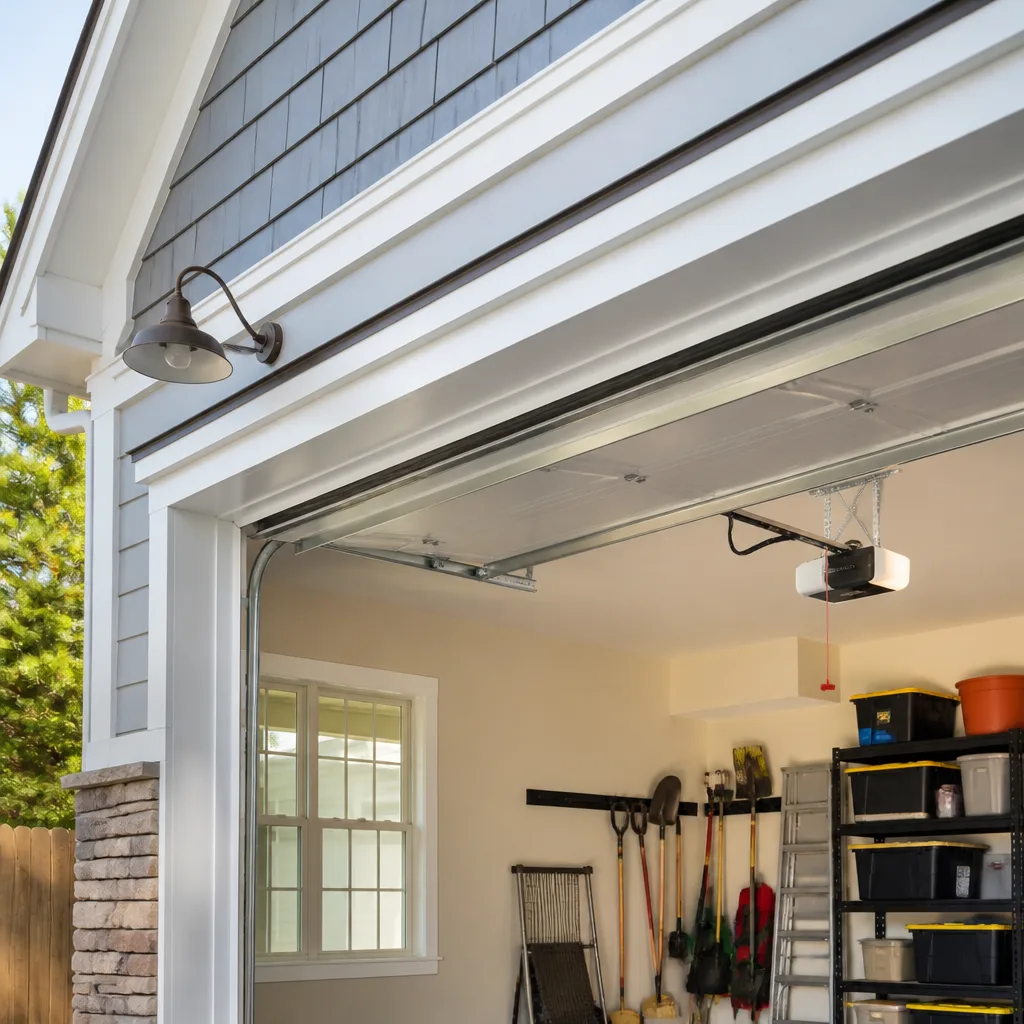 LiftMaster openers
 Chamberlain openers
Full 25-point door and opener safety check with every visit - springs, cables, rollers, tracks, and your LiftMaster or Chamberlain opener included
You get a price before we start. It does not change when the pro arrives.
Get your free estimateHow to Hire a Garage Door Contractor in Columbia: A Step-by-Step Guide
Search for garage door repair in Columbia and you’ll get a list that mixes three very different things: actual garage door specialists, general handymen who’ll take the job, and HVAC or remodeling companies with a side offering. On the screen they all look similar. Every one claims fast service and fair prices. The gap only shows up months later, when a spring that was “replaced” starts sagging or an opener that was “fixed” quits again. Hiring well isn’t about finding the cheapest quote. It’s about learning to tell a specialist from a generalist in about ten minutes of conversation. This guide gives you the exact questions, the red flags, and the Maryland licensing checks that do it.
Quick Answer
To hire a garage door contractor in Columbia, verify their Maryland Home Improvement Commission (MHIC) license, ask five specific questions that only a true specialist can answer, insist on a written scope of work before any work starts, and confirm they carry insurance and workers’ compensation. A dedicated garage door company will discuss brands, spring systems, and opener models by name. A generalist will talk in vague terms and promise to “take a look.”
Styles & brands we work with
- Raised-panel steel
- Carriage house
- Modern flush
- Full-view glass
- LiftMaster openers
- Chamberlain openers
Table of Contents
- How to Tell a Garage Door Specialist from a Generalist
- The Five Questions That Separate Specialists from Generalists
- What Maryland Contractor Licensing Covers and How to Verify It
- How to Get a Written Scope of Work Before Anyone Touches Your Door
- Red Flags in a Garage Door Quote
- Why “Same-Day Availability” Is a Real Signal in This Trade
- Why Brand Familiarity Matters More Than You’d Think
- What’s Different About Hiring in Columbia
How to Tell a Garage Door Specialist from a Generalist
The difference between a garage door specialist and a generalist isn’t a slogan on a website. It’s the depth of knowledge that comes from working on nothing but garage doors. A specialist sees the same door system every week, recognizes its failure patterns, and knows which brands fail in which ways. A generalist sees a garage door occasionally and applies general carpentry or mechanical logic to a piece of equipment that has specific quirks.
Here’s what that difference actually looks like in practice:
- A specialist asks what brand your door is – LiftMaster, Chamberlain, Genie, Raynor, Clopay, Amarr, Wayne Dalton, or Craftsman – and adjusts their answers immediately. A generalist asks what’s wrong and shows up to look.
- A specialist knows the difference between torsion and extension springs without having to see the door first, and can tell you what your system likely uses based on the door’s age and type.
- A specialist carries common replacement parts on the service call. A generalist takes measurements, orders a part, and comes back a week later.
- A specialist can explain opener technology, including smart openers and the myQ ecosystem, without promising to “figure it out on site.”
- A specialist limits their work to one trade. If the same company also does gutters, drywall, and HVAC, garage doors are not their focus.
In Columbia, this distinction matters because the housing stock covers a wide range of door ages and systems. Homes built in the 1970s and 1980s often still run legacy mechanical openers, while newer construction across Howard County uses Wi-Fi-enabled smart openers. A generalist may have seen one or two examples of each. A specialist works across all of them weekly. The company that spends 100% of its time on garage doors will diagnose the problem faster and fix it correctly the first time because they’ve already seen the same failure hundreds of times.
The Five Questions That Separate Specialists from Generalists
You can learn more in five questions than in an hour of reading reviews. Ask these before you schedule a visit. The answers, not the tone, tell you what you’re dealing with.
- “What spring system does my door use?” A specialist can identify torsion versus extension springs from a description of your door and its age, or from a quick photo. If they answer vaguely or say they’ll need to see it before they can even guess, that’s a signal they don’t work on many doors.
- “What brand is my opener, and have you worked on this model?” The answer should mention a real brand – LiftMaster, Chamberlain, Genie, Raynor, Craftsman – and some specific knowledge about how that model behaves. “We work on all brands” is not a useful answer.
- “How long will the repair take, and what parts will you need?” A specialist knows common repair timelines and which parts are typically needed for standard jobs. A generalist will say “depends” and leave it at that.
- “What does the written estimate cover?” A specialist will describe a written scope: parts, labor, brand names, model numbers, and total cost. A generalist will quote a number over the phone and refine later.
- “Are you licensed with MHIC, and can I check your license number?” A legitimate contractor gives the number without hesitation. Any reluctance is a stop sign.
Write the answers down. If you’re comparing three companies, you’ll forget which one said what. The company that answers all five cleanly is almost always the specialist. Those that stumble on the first two were never really in the running. If you’re not sure what a good answer sounds like for your door, our team at Columbia Garage Door Repair Co will walk you through what your specific system likely uses – no visit required.
What Maryland Contractor Licensing Covers and How to Verify It
Maryland requires home improvement contractors to be licensed by the Maryland Home Improvement Commission (MHIC), which is a division of the Maryland Department of Labor. The license covers the work they do in homeowners’ homes, requires them to carry insurance, and gives homeowners a formal complaint process. Garage door installation and repair fall under the home improvement category, so anyone doing this work in Columbia needs an MHIC license.
Verifying a license takes about 60 seconds. Here’s the step-by-step:
- Ask the contractor for their MHIC license number in writing – by text or email is fine.
- Go to the MHIC license lookup on the Maryland Department of Labor website.
- Enter the license number and confirm the name on the license matches the company you’re hiring.
- Check whether the license status is “active” and whether the company has any public disciplinary actions listed.
- Confirm the license covers the type of work you’re asking for – it should, since garage door work is home improvement work, but it’s worth a glance.
MHIC licensing also requires the contractor to maintain general liability insurance. That’s important because if a technician damages your door, your track, or something in your garage during the job, the insurance is what protects you. Ask for a certificate of insurance before work begins – a real contractor will send it without complaint.
Be wary of anyone who says “we’re licensed and insured” but won’t produce a number. In Maryland, an MHIC number is a public, verifiable credential. There’s no reason to withhold it. If your contractor works with subcontractors, ask whether those subcontractors are covered by the company’s insurance or carry their own. That’s especially important for garage door work because the work itself is more dangerous than most home repairs – springs and cables store enough energy to cause serious injury, so the person handling yours should be covered and trained.
How to Get a Written Scope of Work Before Anyone Touches Your Door
Nobody should touch your door until you have a written scope of work in hand. This is the single most effective protection against a repair bill that balloons past what you expected. A written scope is not a verbal promise. It’s a document, an email, or a text that lists the specific work to be done, the brand and model of every part, the labor involved, and the total price.
Here’s how to structure the conversation so you actually get one:
- Describe the problem clearly. “The door won’t open” is not a full description. Say whether the motor runs, whether you hear a click from the opener, whether the door is stuck partway, and whether the springs look intact. The more you can tell them, the more specific their scope will be.
- Ask for the estimate by email or text before the visit. Many companies will send a rough estimate based on your description. That’s useful, but it’s not the final scope.
- Request the scope in writing after the technician diagnoses the issue. This should include the brand and part numbers of the spring, opener, or other components being replaced, plus the labor cost and total price.
- Read the parts section carefully. “Replaced spring” is not enough. “One torsion spring, matched pair, model _______” is what you want.
- Confirm the price is locked. The written scope should state a total price you agree to before work starts. If the final invoice can exceed the quote, they haven’t given you a scope – they’ve given you a guess.
- Save the scope. If the repair fails later, that document is your proof of what was promised.
We know why this matters to Columbia homeowners. A garage is often the primary way into the home, and the door is a $1,500 to $3,000 piece of equipment once you factor in opener and installation. Getting the scope in writing protects that investment. For a small job like a spring replacement it feels like overkill, but the scope is also how you catch the wrong part before it goes on your door.
Red Flags in a Garage Door Quote
Most bad garage door hires are visible in the quote, if you know what to look for. These are the signs we see most often around Columbia.
Vague or missing part descriptions
“Replace torsion spring” with no brand, no model, and no indication of whether it’s a matched pair tells you they don’t plan to be specific – or worse, don’t know what they’re buying. Ask exactly what part is going in and who manufactures it.
No mention of the brand of your existing equipment
A specialist will acknowledge what you own – LiftMaster, Chamberlain, Genie, Raynor, Clopay, Amarr, Wayne Dalton, or Craftsman – because that’s the unit they’re working around. If the quote reads like it could apply to any door in any house, they haven’t looked at your door.
Labor-only pricing with parts TBD
“$180 labor, parts extra” is not a price. It’s an opening bid. Garage door parts vary widely by brand and model, and a labor-only quote means you’ll be told a parts number after the door is already disassembled. Insist on a total price before work begins.
Phone quotes with no written confirmation
Phone conversations don’t count. A real quote is written down and sent to you. If they promise to “confirm on the day,” they haven’t quoted anything.
Spring quotes that seem unusually low
Springs are the most technically demanding part of garage door work. A quote that barely covers parts suggests the parts will be cheap, generic, or improperly matched to your door. Cheap springs fail sooner, and they can damage the opener when they do.
Pressure to decide on the spot
“This price is good today only” is a sales tactic, not an emergency. Give yourself 24 hours to read the scope and compare. If the door has failed, call around – a real emergency can wait a few hours while you verify the person you’re hiring.
Why “Same-Day Availability” Is a Real Signal in This Trade
In most home service trades, “same-day availability” is a marketing line. In garage door repair, it’s usually a genuine signal about how the company operates. That’s because garage door specialists stock the common parts that fail on a door: standard torsion springs, standard extension springs, a set of common opener gears and sensors, and the hardware for the most-installed brands. A company that can actually show up same day is usually a company that keeps those parts on hand.
Generalists don’t stock common garage door parts. If a spring breaks and they show up in the afternoon, they’ll measure it, order a replacement, and come back in two to five days. During that time, the door is unusable or propped open – which, in Columbia, means a giant gap in the side of your house.
The other reason same-day matters: garage door failures are often safety issues. A door stuck partway open leaves the garage exposed. A door with a broken spring can drop unexpectedly. A door that reverses randomly at the bottom can strike a person or a car. Getting it fixed the same day is not convenience – it’s closing a hole in your home. That’s why we treat emergency garage door service as a real offering, not a category label. Fast dispatch from 7am to 7pm, Sunday through Friday, is how we handle the calls. We answer 24/7 at (855) 506-9884, and for anything after the dispatch window, we’ll book you into the next opening.
When you discuss same-day with a contractor, ask one direct question: “What parts do you keep on hand for my brand of door and opener?” A specialist answers with specific parts. A generalist answers with generalities.
Why Brand Familiarity Matters More Than You’d Think
Every garage door and opener brand has its own failure patterns, its own part compatibility, and its own quirks. A technician who works on LiftMaster and Chamberlain openers weekly knows that a certain traveler or gear set tends to be the first thing to go on a given model. A technician who works on Raynor doors regularly knows how those tracks and panels are built. A company that works on one broad soup of brands learns the general patterns but not the specific ones.
Our technicians work on eight of the industry’s most-installed brands – LiftMaster, Chamberlain, Genie, Clopay, Amarr, Wayne Dalton, Craftsman, and Raynor. That’s not a marketing list; it’s a working vocabulary. When a Columbia homeowner describes a Chamberlain opener that clicks but doesn’t move, a specialist knows where to look first. When someone has a Raynor door with a sagging top section, the technician knows how that panel aligns and what parts it expects. The failure modes are different. So are the parts.
When you’re comparing contractors, watch how they talk about your specific brand. If they jump straight to “we do all brands,” ask them what’s different about your model. A company that works on only a handful of brands may be a specialist in a narrow slice. A company that works on eight of the most common brands and nothing else in home repair is a true specialist in the way that matters most. For more on this, see our guide to garage door repair and what we actually look at when we diagnose a failing door.
What’s Different About Hiring in Columbia
Columbia has some specific features that affect how a garage door job goes. The housing stock is unusually varied for a planned community – the village structure means you’ll find mid-century homes, 1980s builds, and newer construction within a few miles of each other. That range shows up in the doors and openers. Older homes in Wilde Lake, Harper’s Choice, and Oakland Mills often run legacy mechanical systems that need a technician familiar with fifteen- to forty-year-old openers. Newer areas and renovations lean toward smart openers and Chamberlain/LiftMaster myQ setups that require electronics experience, not just mechanical knowledge.
Second, the Mid-Atlantic climate works on doors harder than most homeowners expect. Summers in Columbia bring humidity that expands wood-composite panels and stresses hinges. Winters bring freeze-thaw cycles that work lubricants out of tracks and cables and cause metal to contract. Springs – already under enormous tension – are more likely to fail in the temperature swings between late fall and early spring. A contractor who works on garage doors year-round in this climate knows the seasonal patterns. They’ve seen which parts go first. That knowledge shows up in how they diagnose a “noisy” door versus a “broken” door versus a door that’s just slightly misaligned.
Third, Columbia code requirements follow Maryland and Howard County rules, not a single Columbia-specific code. If your job involves structural changes to the garage header or a new door that changes the opening, ask about permits. Most cities, including Columbia, require a permit for structural garage changes. Check with the Howard County Department of Inspections, Licenses and Permits before any change that affects the opening; a straightforward repair or replacement with the same dimensions usually does not need one.
Finally, the competitive market in Columbia is crowded. There are legitimate specialists, general handymen, and national companies with local phone numbers. The MHIC license check and the five questions are your filter. When you’re ready to compare quotes, our team handles garage door opener repair as a core service across Howard County and Columbia.
Common Mistakes to Avoid
- Hiring on price alone. The cheapest quote is often labor-only pricing with generic parts. A slightly higher quote from a specialist often costs less over two years because the repair holds.
- Skipping the MHIC verification. It takes a minute, and it’s the difference between a licensed contractor and a person with a truck and a phone number.
- Accepting a verbal scope. “Yeah, that’ll be about $250 all in” is not a scope. Get the parts, the labor, and the total in writing before anyone starts.
- Letting a generalist replace a spring with an unmatched part. Springs must be correctly matched to the door’s weight and cycle life. A cheap or wrong spring fails fast and can damage the opener. This is not a repair to guess at.
- Assuming “we do all brands” means they know yours. Ask what’s different about your specific model. The answer separates familiarity from marketing.
- Waiting until a door is completely stuck. Small noises, slow responses, and slight misalignment are early signals that a repair is coming. Addressing them early is usually cheaper and smaller than an emergency call.
- Ignoring whether the contractor is insured. Ask for a certificate of insurance before work begins. If the technician damages the door, your car, or the garage structure, the insurance matters more than the price.
- Not checking whether the same-day claim is real. Ask what parts they keep on hand for your brand. A specialist answers with a list. A generalist answers with “we can order it.”
See the difference
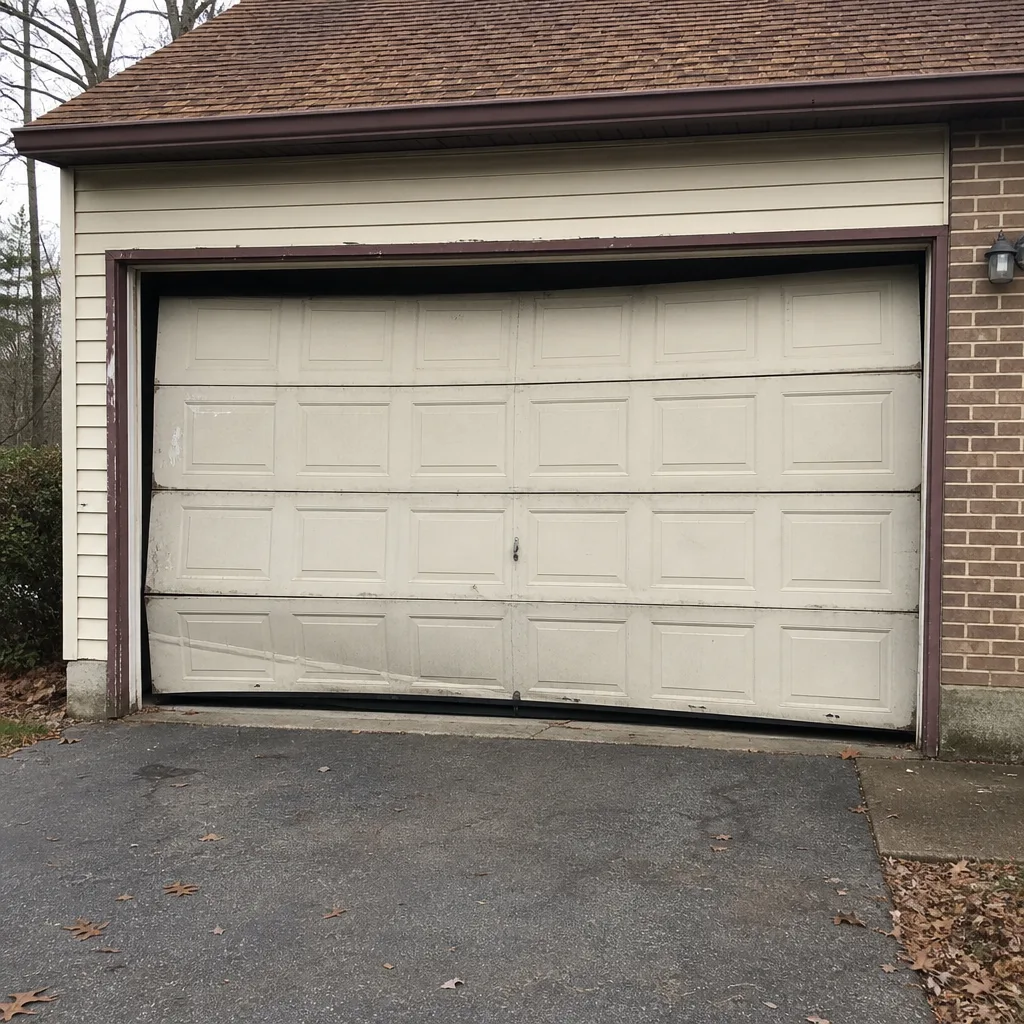 Before
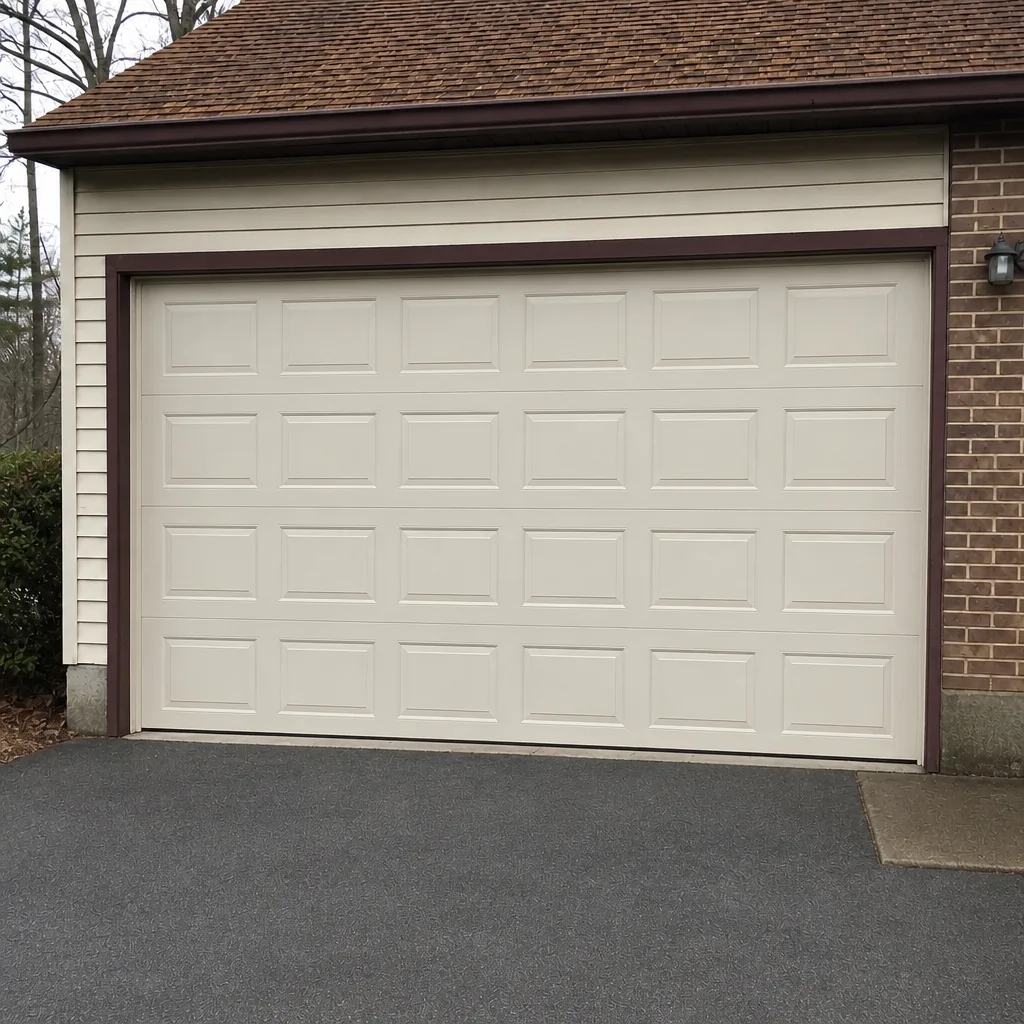 After
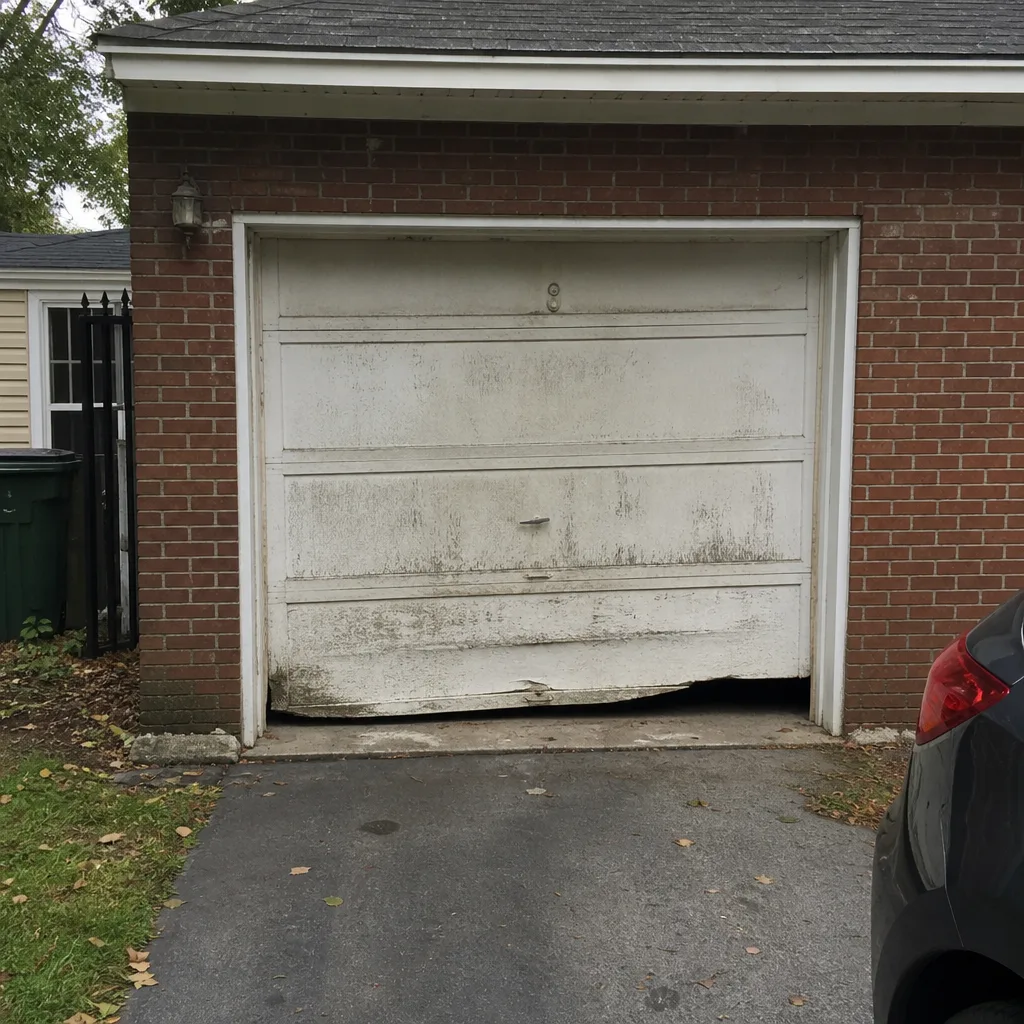 Before
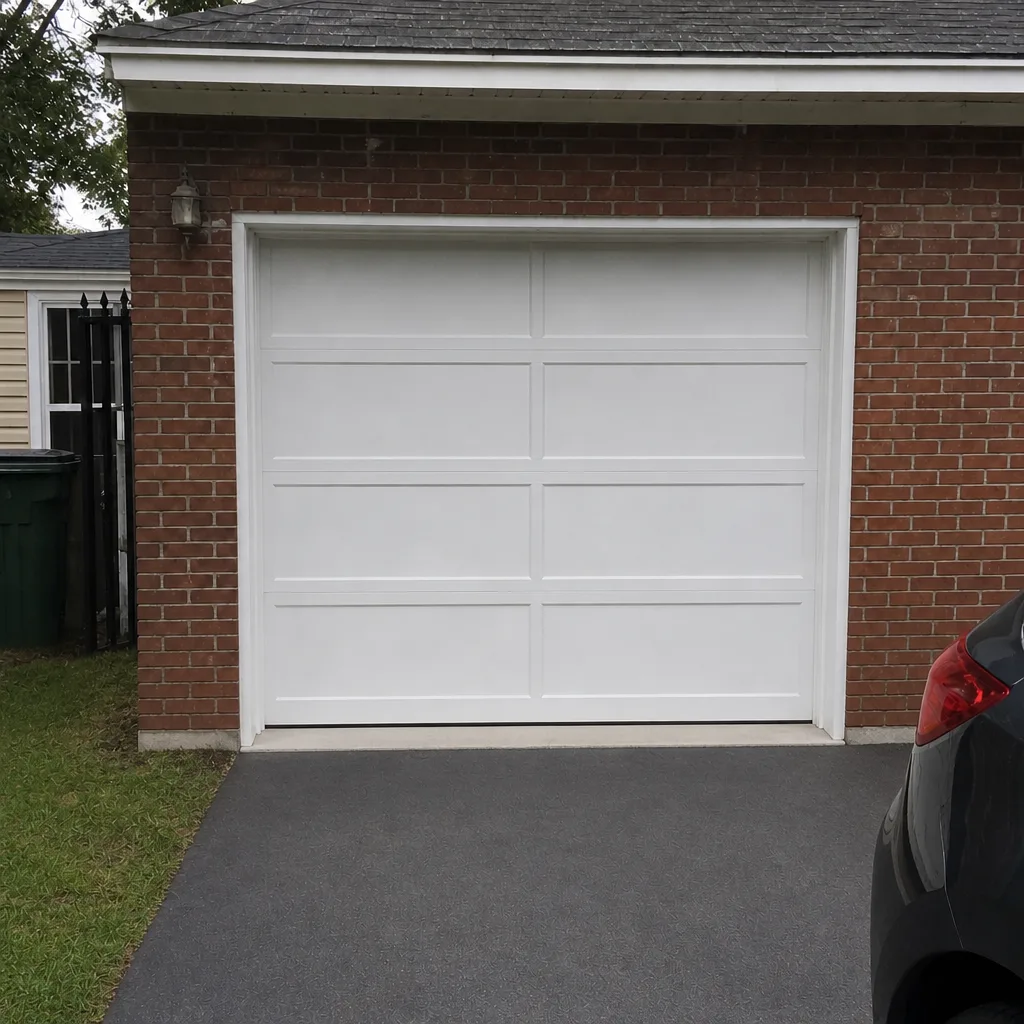 After
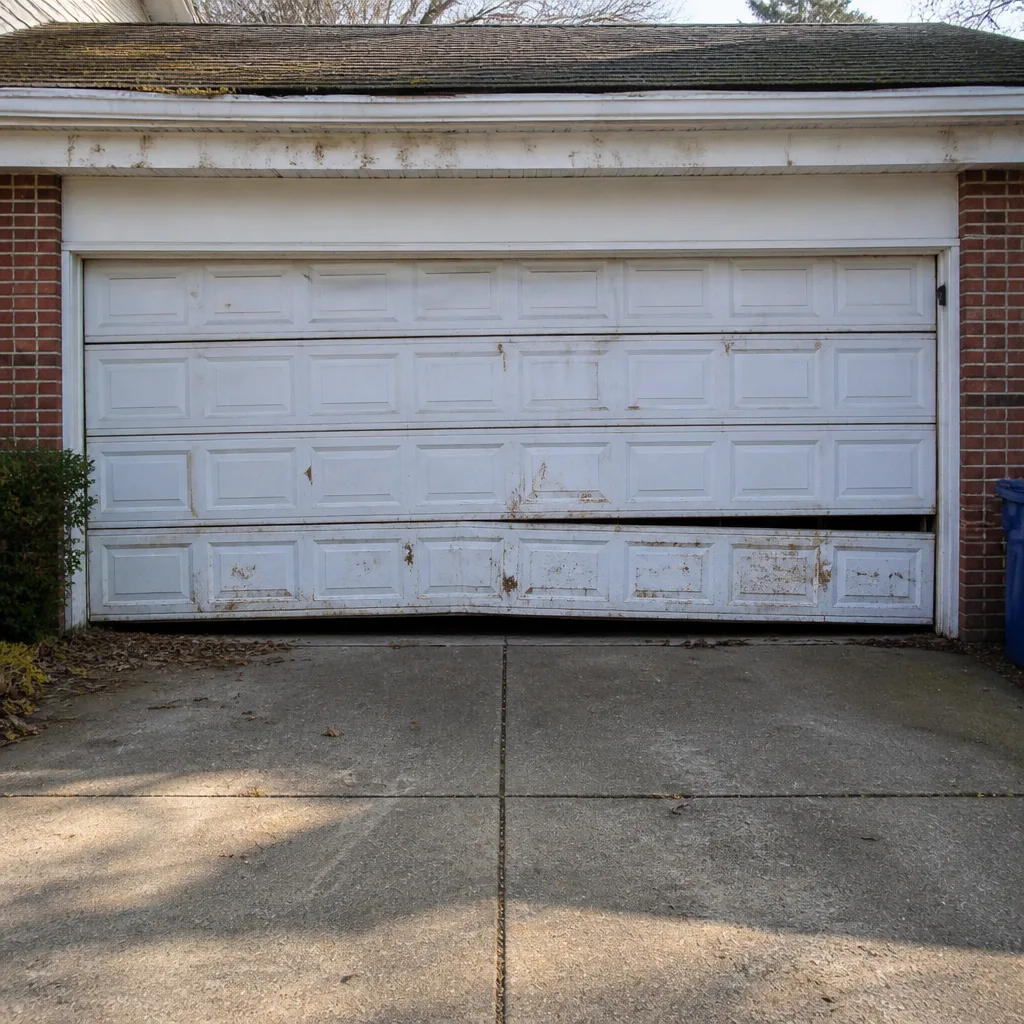 Before
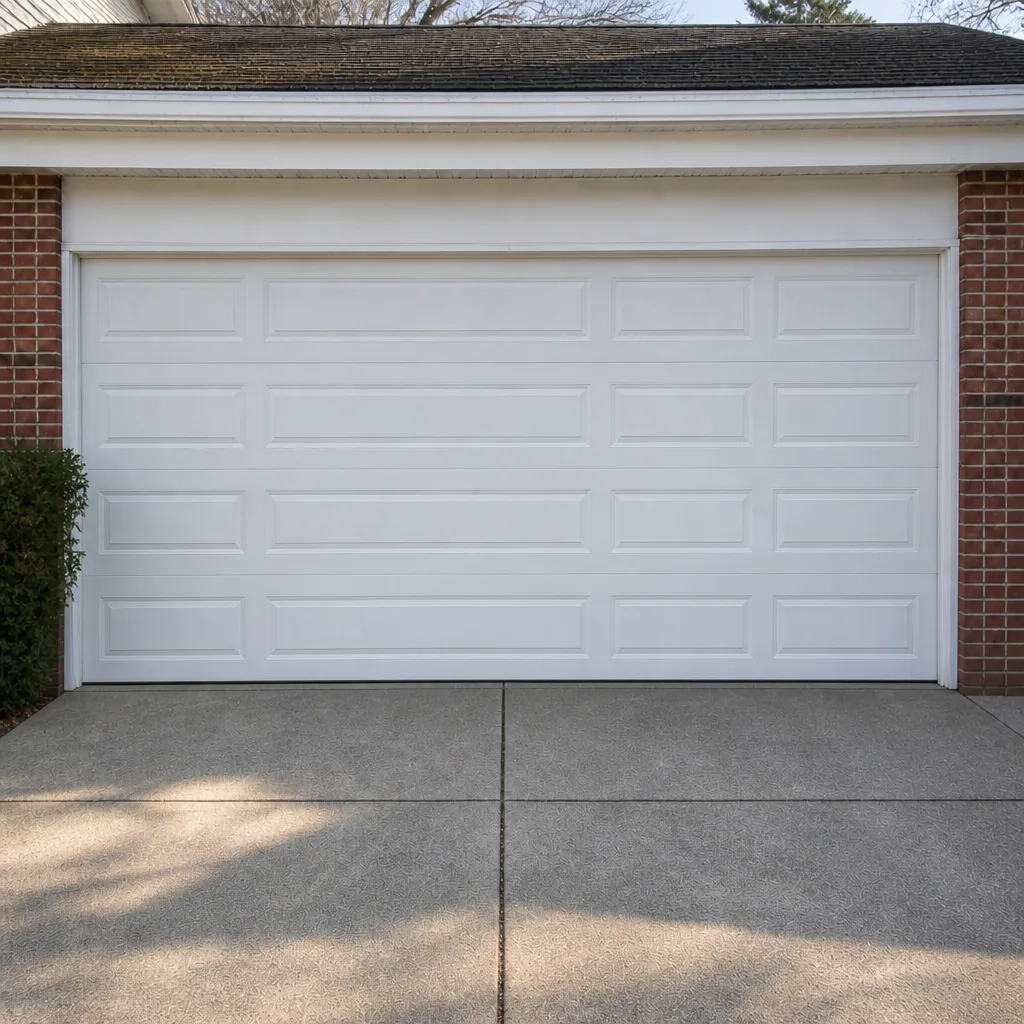 After
When to Call a Professional
Some garage door issues genuinely need a professional, and trying to fix them yourself can be dangerous. Springs, cables, and the opener’s high-tension assembly store enough energy to seriously injure someone who handles them wrong. If a spring is broken, the door has dropped partway and won’t lift, the door is visibly misaligned, the opener runs but the door doesn’t move, or the door reverses at the bottom and could strike a person or a car, stop and call a professional. The same is true for older openers with no safety reversal, doors that shake or shudder while moving, and any repair that involves the spring system or cables.
Columbia Garage Door Repair Co offers free estimates in Columbia. Call (855) 506-9884. We answer 24/7, and we offer fast dispatch from 7am to 7pm, Sunday through Friday. Our technicians have up to 10 years of experience and work on LiftMaster, Chamberlain, Genie, Clopay, Amarr, Wayne Dalton, Craftsman, and Raynor. If the issue turns out to be a spring, we handle garage door spring repair as a core specialty rather than an afterthought – because it’s one of the most hazardous jobs in home repair and shouldn’t be a DIY project.
Frequently Asked Questions
Typical garage door repair costs in Columbia run roughly $150 to $450 depending on the issue, with spring replacement typically at the higher end and simple opener adjustments at the lower end. A torsion spring replacement usually costs $180 to $340 for one spring; a matched pair, which is usually replaced together, runs about twice that. The written estimate you receive sets the final price, and the price is agreed before any work starts. Call (855) 506-9884 for an exact quote – estimates are free.
Ask for the contractor’s MHIC license number, then look it up on the Maryland Home Improvement Commission license database on the Maryland Department of Labor website. Confirm the status is active, the name matches the company, and there are no public disciplinary actions. Any contractor who won’t give you the number is one you should not hire.
Most straightforward repairs and replacements that don’t change the opening don’t require a permit, but you should confirm with the Howard County Department of Inspections, Licenses and Permits before any structural change to the garage header or the opening size. A specialist contractor will tell you when a permit is needed rather than skipping the question.
Yes, in most cases – garage door specialists stock common parts for the major brands, so same-day repair is realistic for standard spring, opener, and hardware failures. Call (855) 506-9884 for a same-day appointment. We answer 24/7. Fast dispatch from 7am to 7pm, Sunday through Friday. A call outside those hours gets booked into the next opening. Reductions in availability happen with uncommon parts or specialty doors, and the technician will tell you before the visit.
It shouldn’t. The written estimate you receive before work starts sets the price, and that price doesn’t change mid-job. If the diagnosis differs from the initial estimate, you’ll be told and given a revised written scope to approve before anyone continues. Never agree to a job where the price can change after the door is disassembled. Call (855) 506-9884 for a written estimate.
We work on eight of the most-installed brands – LiftMaster, Chamberlain, Genie, Clopay, Amarr, Wayne Dalton, Craftsman, and Raynor – and our team focuses entirely on garage doors and openers. That means we’re familiar with the specific failure patterns for each of these brands rather than learning your model on your time. If your brand isn’t listed, call and we’ll tell you whether we can help before you schedule.
The Bottom Line
The biggest hiring mistake Columbia homeowners make isn’t picking the wrong price. It’s failing to tell a dedicated specialist from a generalist with a parts account, and only discovering the difference months later when a cheap spring fails or an opener starts clicking again. The fix is simple: verify the MHIC license in 60 seconds, ask the five questions that only a specialist can answer, and require a written scope of work that lists brands, parts, labor, and a locked total price before anyone touches your door. If a quote is vague, the repair will be too. If a contractor won’t talk about your specific brand or spring system, they haven’t worked on many. When you want a specialist to look at it, call Columbia Garage Door Repair Co at (855) 506-9884 for a free estimate. We answer 24/7. Fast dispatch from 7am to 7pm, Sunday through Friday. You can also read more about what to expect from garage door repair when a specialist handles the job.
Written by the team at Columbia Garage Door Repair Co.