
Last updated November 21, 2026
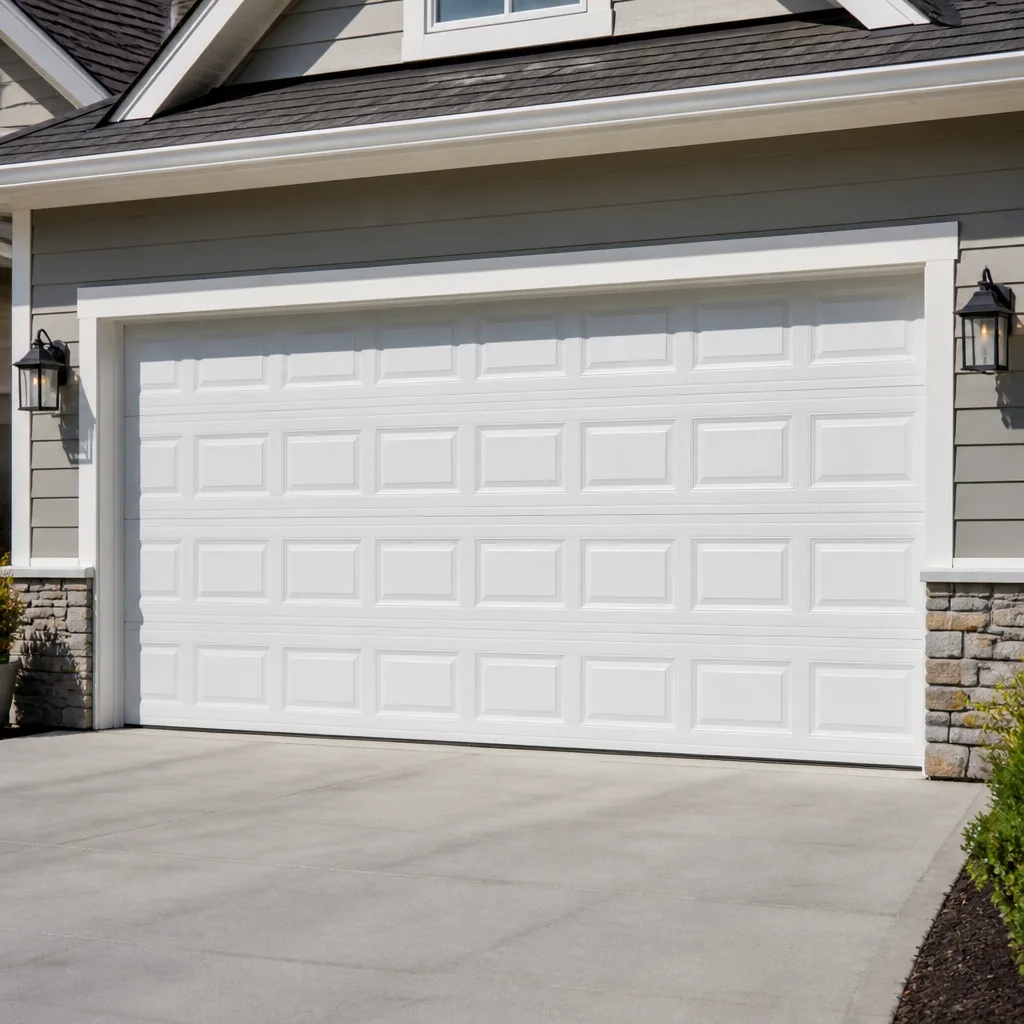 Raised-panel steel
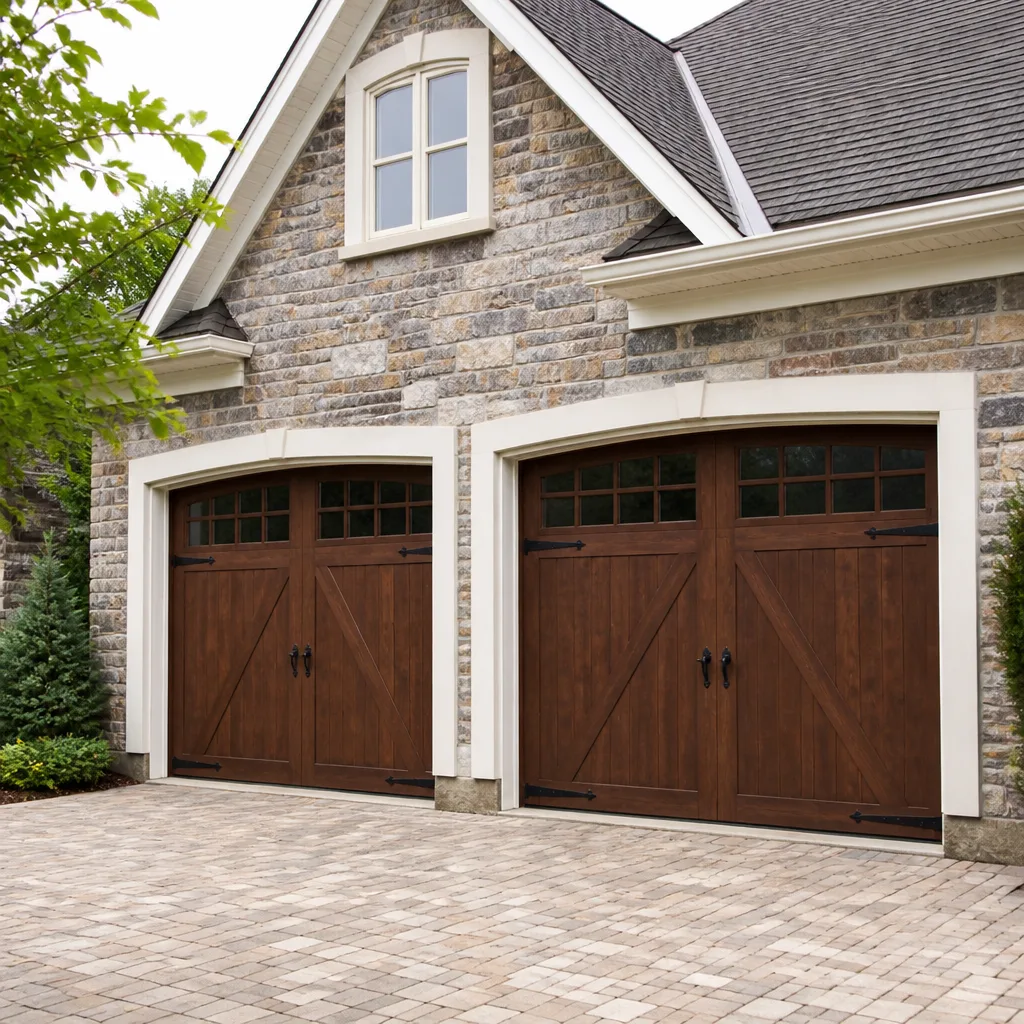 Carriage house
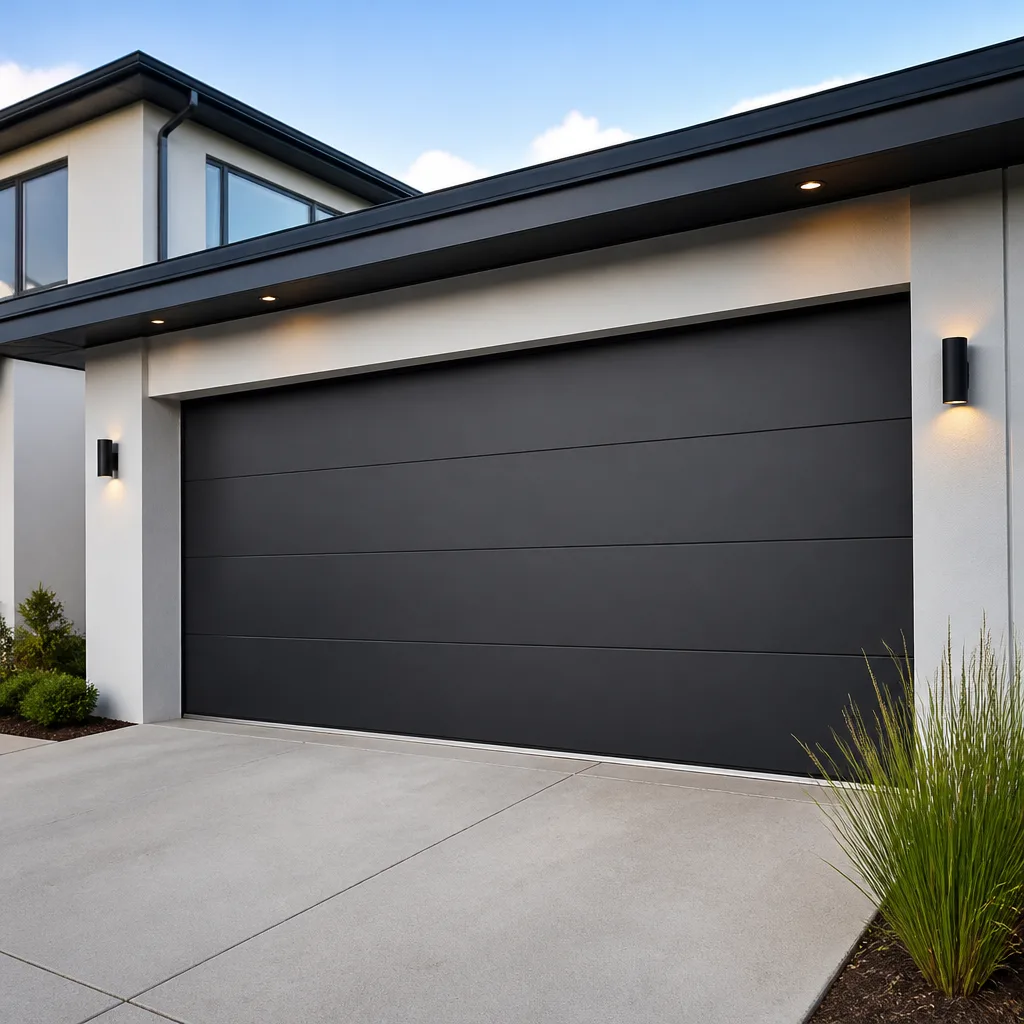 Modern flush
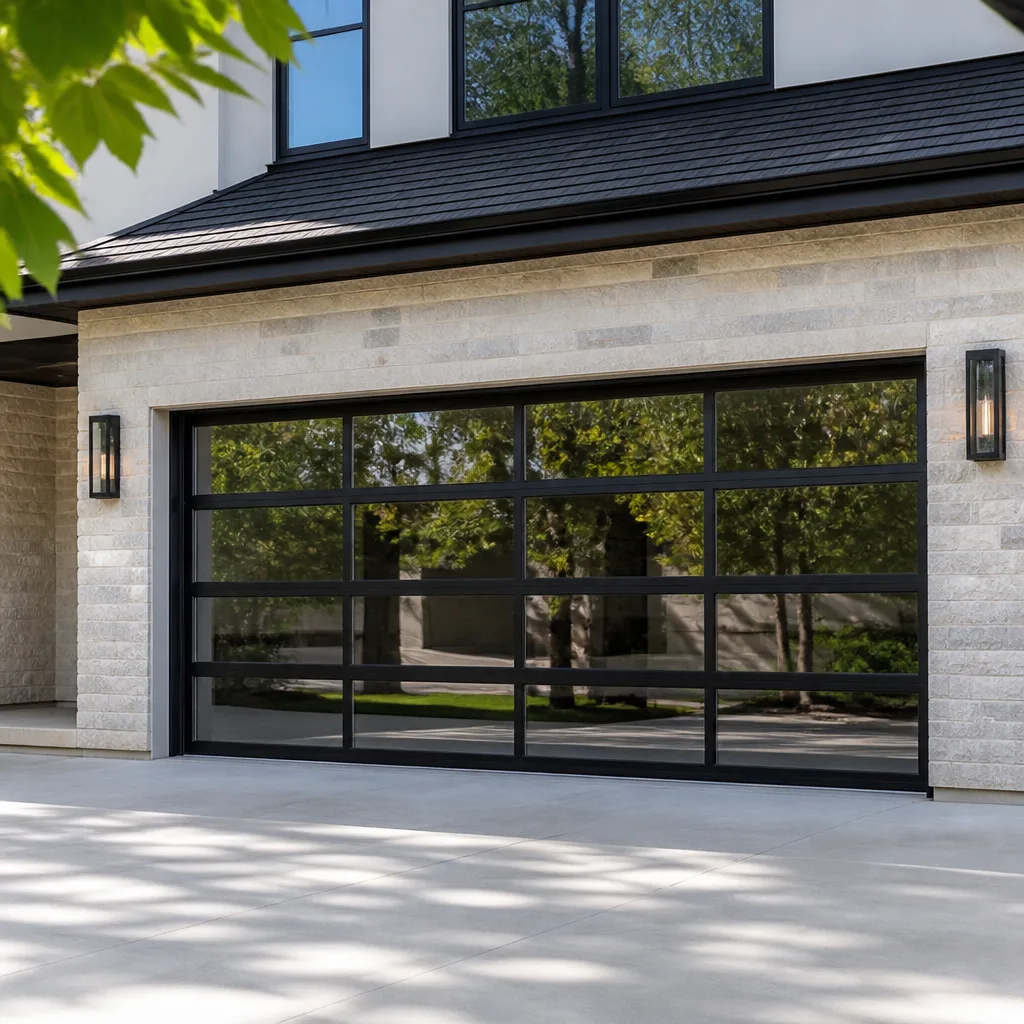 Full-view glass
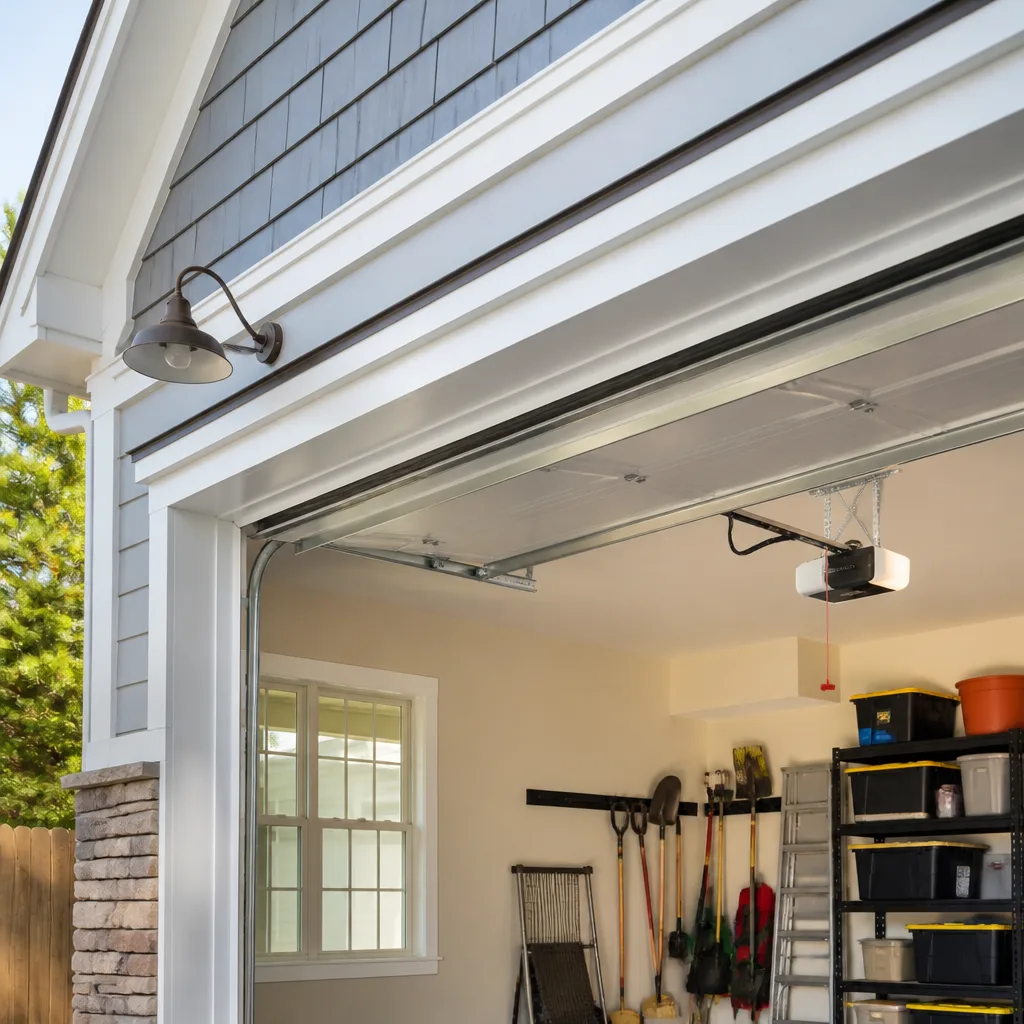 LiftMaster openers
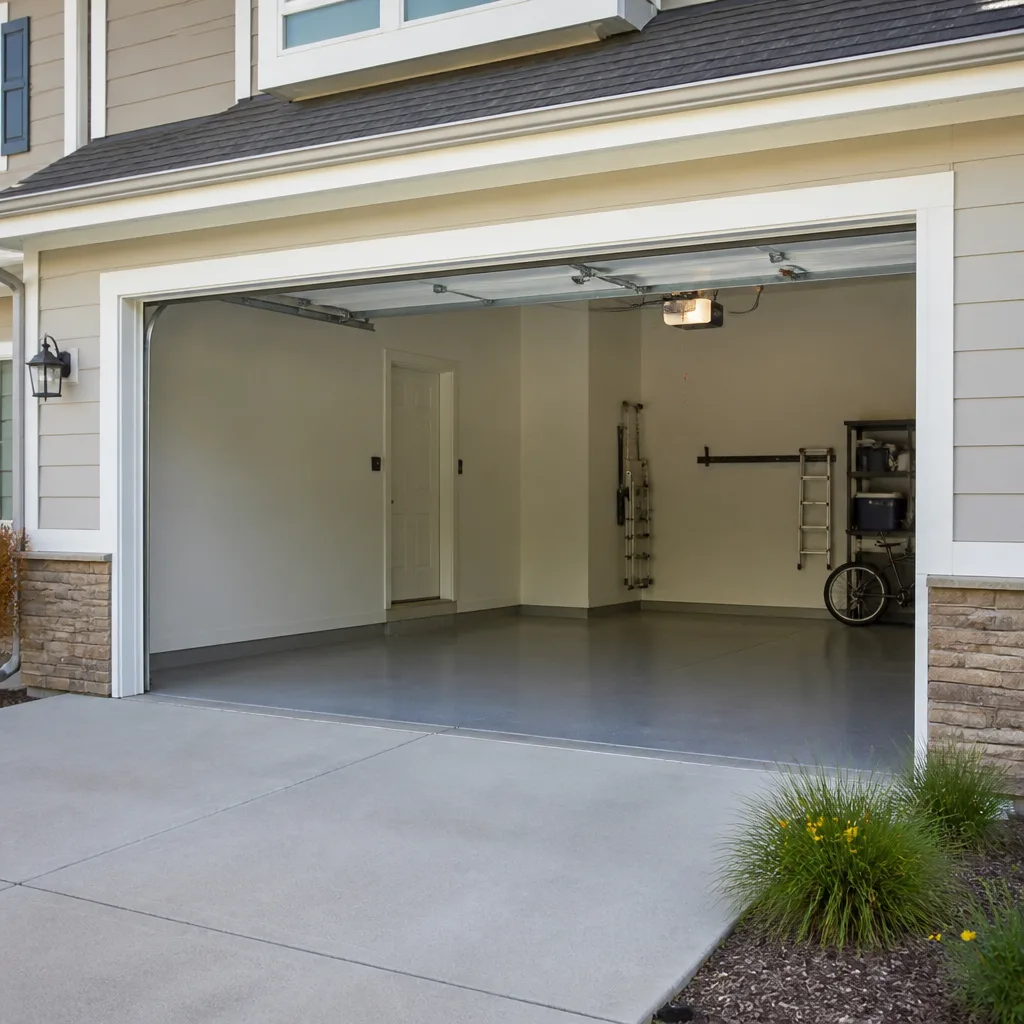 Chamberlain openers
Full 25-point door and opener safety check with every visit - springs, cables, rollers, tracks, and your LiftMaster or Chamberlain opener included
You get a price before we start. It does not change when the pro arrives.
Get your free estimateGarage Door Warning Signs: A Columbia Homeowner’s Reference Guide
Most garage doors don’t fail without warning. They fail because nobody told the homeowner which noises, gaps, and hesitations actually matter. A door that suddenly reverses halfway down or a spring that looks slightly bent are both easy to ignore for months, right up until the door won’t budge. We’ve spent years diagnosing garage doors in Columbia, and the pattern is always the same: the door was sending signals long before it quit. This guide draws the line between normal wear and “stop using the door now,” so you know exactly what to watch for.
Quick Answer
Common garage door warning signs in Columbia include grinding or scraping sounds during travel, visible gaps or bends in the springs, cables that look frayed or slack, doors that hesitate, reverse unexpectedly, or open unevenly, and any door that will no longer open or close by hand. The severity matters: unusual noise or slow travel usually means schedule service this month, while a snapped spring, a hanging cable, or a door that won’t stay closed means stop using the door and call (855) 506-9884 immediately.
Styles & brands we work with
- Raised-panel steel
- Carriage house
- Modern flush
- Full-view glass
- LiftMaster openers
- Chamberlain openers
Table of Contents
- What the Noises Are Telling You: Sound-Based Diagnostics
- Visual Signs on Springs and Cables You Can Safely Spot
- Movement-Based Warning Signs: Uneven Travel, Hesitation, Reversing
- Two No-Tool Tests Every Columbia Homeowner Should Know
- The Severity Tier: This Month, This Week, or Stop Using the Door Now
- Why Columbia’s Weather Puts Extra Stress on Garage Doors
- Brand-Specific Things to Watch For
- Common Mistakes to Avoid
- When to Call a Professional
- Frequently Asked Questions
What the Noises Are Telling You: Sound-Based Diagnostics
Sound is the earliest and most reliable warning system a garage door has. Every noise points to a specific component. Learning to tell them apart is the difference between a minor tightening job and a spring that’s about to let go. In Columbia, where doors cycle hard through hot summers and freezing winters, the wear patterns show up in the sounds long before they show up in the hardware.
Here’s how to decode what you’re hearing:
- Grinding: A rough, low grinding sound usually points to worn opener gears, a dry or failing bearing, or a roller that has seized and is dragging along the track. If the door still moves but sounds like it’s chewing, the opener is working harder than it should.
- Scraping: A metallic scrape that repeats with each panel is track-related. The track may be misaligned, bent at a joint, or a roller is out of its channel. Scraping left alone grinds down both the roller and the track.
- Popping: A sharp pop every cycle, or a single loud pop, is worth taking seriously. It can mean a spring has jumped a turn on the torsion shaft or a cable has slipped. Popping from the spring area is the sound most likely to mean the door has shifted out of balance.
- Rattling: Loose bolts, worn hinges, and slack hardware rattle. It’s usually the least urgent sound, but rattling vibrates everything around it, so hardware that isn’t tightened works itself looser.
If the noise started suddenly rather than gradually, treat it as more urgent. Gradual change means wear; sudden change usually means a part has shifted, slipped, or broken. Either way, the next step is a visual check with the door closed, not a repair attempt.
Visual Signs on Springs and Cables You Can Safely Spot
Springs and cables do the heaviest work on your door, and they’re also the two components you should never touch. What you can do safely is look. A slow walk around the door with it fully closed will tell you a lot, and none of it requires tools or contact.
What a healthy torsion spring looks like: a tight, evenly spaced coil running along the shaft above the door. What a worn one looks like: a visible gap of an inch or more between coils at one point, rust blooming at the coil joints, or a spring that looks stretched compared with the rest of the coil. What a failed one looks like: two clean pieces with a gap between them, or a single length of spring hanging loose.
For extension springs, which run along the horizontal tracks on some doors, look for a stretch that makes the coil longer than the matching spring on the other side, or a coil that has lost its tight wind. Worn extension springs often come with a frayed safety cable running through them. That cable exists so a broken spring doesn’t fly; if it’s frayed, it isn’t doing its job.
Cables should run taut and clean along their path. A cable that looks slack, has a kink, has a single strand poking out, or has pulled away from its drum is a stop-using-the-door sign. Cables under load can cause serious injury if they let go, and they’re far likelier to let go when a door is being cycled with a compromised spring.
The one rule: look, don’t touch. Springs and cables are under extreme tension even when the door is down, and there is no safe way to test them by hand. If you see any of these visual signs, call us at (855) 506-9884. Our garage door spring repair team handles torsion and extension work as our core specialty because it’s genuinely hazardous, and a spring repair isn’t something to practice on.
Movement-Based Warning Signs: Uneven Travel, Hesitation, Reversing
Watching the door move tells you what the opener is fighting against. When a door needs more force to lift, the opener compensates, which is why a door that’s wearing out often looks fine but behaves oddly. Here’s what each movement behavior means.
Hesitation at the start or midway. If the door stops for a beat before continuing, the opener is meeting resistance it wasn’t designed for. Usually that’s a binding roller, a track that’s out of alignment, or a spring that’s lost tension. The opener’s safety circuit senses the extra load and slows or pauses.
Uneven travel. If one side of the door lifts before the other, or one side lags slightly, the door is no longer balanced. Springs working unevenly, a broken cable, or a bowed panel can all cause this. Left alone, uneven travel twists the panels and puts extra strain on the opener’s rail.
Reversing mid-cycle. If the door starts down, stops, and goes back up, the safety reversal system is doing its job. That could be an obstruction in the beam path, a misaligned sensor, or something binding in the track. Don’t override the reversal system to force the door closed; find out why it’s reversing.
No longer closing fully. A door that stops an inch or two short of the ground is a security problem and often a balance problem. When the weather seal is compressed and the door still won’t fully seat, the resistance is coming from inside the mechanism.
Overshooting or bouncing. If the door slams at the end of travel instead of settling, the limit settings are off, or the spring is doing less work than it should. It’s an opener and balance issue that gets worse with time.
In Columbia, this pattern often shows up in the first cold snap of winter. Metal contracts, lubricant thickens, and a door that was borderline in October becomes visibly hesitant in January. If your door changes behavior with the seasons, the underlying balance problem is already there.
Two No-Tool Tests Every Columbia Homeowner Should Know
These two tests tell you more about spring health than any visual check, and neither requires tools. Both are safe as long as the door is in reasonable condition; if the door won’t lift cleanly by hand or you hear anything alarming, stop and call us.
The Overnight Gap Test. Close the door fully and lock or disconnect it so it can’t open. In the morning, look at the gap between the bottom of the door and the floor. If the gap on one side is noticeably wider than the other, the door has sagged or twisted overnight. That usually means a spring has lost tension on one side, or a cable has slipped. The door may still open and close, but it’s no longer square in the frame.
The Manual Lift Test. Only try this if the door is closed and everything looked normal in your visual check. Disengage the opener (pull the release cord with the door down, so the door isn’t up on an unsupported opener), then lift the door by hand to about halfway and let go.
- If the door stays where you let go, or drifts only slightly, the springs are balanced.
- If it sinks to the floor quickly, the springs aren’t holding enough weight.
- If it flies up on its own, the springs are over-tensioned and the door is being lifted by force.
- If it feels extremely heavy or you can barely move it, stop and don’t force it. Re-engage the opener and call us.
Either result from the manual lift test other than “it stays put” means the balance is off and the opener is compensating. Run the test once a season and note anything that changed. Columbia’s seasonal temperature swings make fall and spring the best times to check, since that’s when tension issues tend to surface.
The Severity Tier: This Month, This Week, or Stop Using the Door Now
Not every warning sign is urgent, but every one deserves a response. Here’s how to sort what you’ve learned into a clear plan.
Schedule it this month:
- Light rattling or loosening hardware
- Occasional grinding that started gradually
- A door that’s slightly slower than it used to be but still opens and closes smoothly
- Faint scraping that comes and goes
- A remote or wall button that needs an extra press
These are wear signs. They’ll get worse, but nothing is likely to fail this week. Book a maintenance visit before the wear compounds.
Call this week:
- Consistent grinding or scraping every cycle
- Visible coil gaps or rust on the springs
- Uneven travel or a door that visibly tilts as it rises
- Reversing mid-cycle, or a door that won’t close fully
- A door that’s heavy to lift by hand in the manual lift test
- Popping sounds from the spring or track area
These mean a component is actively degrading. Waiting usually makes the repair bigger and puts extra strain on the opener, which is the most expensive part in the system. Call us at (855) 506-9884. We answer 24/7, and fast dispatch runs from 7am to 7pm.
Stop using the door now:
- A visibly broken spring (two pieces, or hanging loose)
- A frayed, slack, or detached cable
- A door that’s come off its track or is hanging crooked
- A door that reverses but won’t close and is leaving the house open
- Anything you’d have to force to open or close
In these cases, use the manual release only if the door is down and you can secure the garage another way. Most Columbia homes have their garage as a primary entry point, so a door stuck open is a security issue as much as a mechanical one. Call us; this is the situation our emergency service exists for, because a stuck or broken door can’t always wait for a scheduled appointment. Garage doors are all we do, so there’s no waiting on a generalist to figure out what they’re looking at.
Why Columbia’s Weather Puts Extra Stress on Garage Doors
Columbia’s climate does a specific kind of damage to garage doors. Hot, humid summers swell wood panels and cook the lubricant inside the opener and roller bearings. Freezing winters shrink metal, stiffen seals, and turn a slightly worn spring into a visibly strained one. The cycle repeats every year, so a door installed in this region sees more expansion and contraction than the same door in a milder climate.
What that means in practice:
- Lubricant should be re-applied seasonally, especially before winter, because summer heat drives it out of the bearings.
- Wood and composite door panels swell in summer humidity and can bind enough to fool the opener’s safety system into reversing.
- Metal tracks shift with temperature changes and can go slightly out of alignment without anything hitting them.
- The bottom weather seal cracks faster here than many homeowners expect, so it’s worth an annual check.
- Doors coming out of winter often need their balance re-checked, since the spring has been working against a stiff seal and cold grease all season.
A door that behaves differently in July than it does in January is telling you something about the balance, not about the weather alone. Seasonal behavior change is a warning sign in itself.
Brand-Specific Things to Watch For
Different systems fail in different ways, and knowing what to look for depends partly on what you own. Our technicians are factory-familiar with 8 of the industry’s most-installed brands, and we see the same failure patterns over and over.
LiftMaster and Chamberlain openers, including the myQ smart-home platform, tend to flag belt and chain wear as a growing grinding sound, and the app notifications can actually tell you when a door is taking longer to close than it used to. If your myQ app shows repeated reversal alerts, that’s a signal to shut the door down for the day and have it looked at.
Genie screw-drive systems develop a distinct rattle as the screw wears, often before the door stops working. The rattle is a warning, not a failure, so there’s time to act on it.
Clopay and Amarr doors often show panel-edge wear or a bottom seal that’s compressed well before the springs fail. The seal failure makes the door harder to close and harder on the opener.
Craftsman and Wayne Dalton systems, common in older homes around Columbia, sometimes combine legacy mechanical hardware with newer smart-home add-ons. The mechanical wear and the electronic diagnostics don’t always point the same way, which is why a repair has to look at both.
Whatever you own, if the door is behaving differently than it did when it was new, that’s the signal. We work on the brand already in your home, and we can tell you quickly whether the problem is in the door hardware, the opener, or the balance between them. Our garage door opener repair technicians diagnose openers and their electronics together, so a smart opener doesn’t get treated as a mystery.
Common Mistakes to Avoid
- Forcing a heavy door open. A door that feels heavy is telling you the spring is losing tension. Forcing it strains the opener, bends the rail, and can snap a cable that was close to failing. If you have to pull hard, don’t; that’s already the answer.
- Ignoring a “slow” door. A door that takes two seconds longer than it did six months ago isn’t just slow. It means the opener is working against increased resistance, and the resistance is coming from a spring or track problem that will get worse.
- Adjusting springs yourself. Torsion and extension springs carry enough stored energy to cause serious injury. This is the single most dangerous repair a homeowner can attempt on a garage door, and there’s no safe short-cut.
- Overriding the safety reversal. If the door won’t close, disconnecting the safety sensors or holding the wall button to force it is how doors close on cars, pets, and people. Find out why it’s reversing instead.
- Applying the wrong lubricant. Grease on a torsion spring shaft collects grit and accelerates wear. Light lubricant, re-applied seasonally, is the right call for rollers and hinges. Springs themselves don’t need and shouldn’t get grease.
- Ignoring seasonal changes. Columbia’s temperature swing turns small balance problems into big ones. A fall check catches more than a spring check because the cold reveals what the summer hid.
- Skipping the seal check. The bottom weather seal is cheap to replace and does more for the opener than anything else on the door. A failed seal makes the door harder to close, which makes the opener work harder, which shortens its life.
When to Call a Professional
Call for anything involving the springs, cables, or balance. Call for any sound that started suddenly. Call when the door reverses, won’t close fully, or hangs unevenly. Call if the manual lift test shows tension off in either direction. And call if the door is stuck open and the garage is your primary entry point, because that’s a security problem that won’t solve itself.
The line is simple: look, listen, test once a season, and act on what you find. If anything in this guide matches your door, our garage door repair team is ready to diagnose it and give you a written price before any work starts. Columbia Garage Door Repair Co offers free estimates in Columbia. Call (855) 506-9884. We answer 24/7, and fast dispatch runs from 7am to 7pm. Our technicians have up to 10 years of experience with the systems you’re likely to own, and every repair is priced by a written estimate before we begin.
Frequently Asked Questions
Typical garage door spring repair in Columbia runs roughly $180 to $340 for one spring. Because springs are matched pairs, most doors get both replaced together, so a pair costs about twice that range. Prices vary with door weight and spring type, and the written estimate you receive before work starts sets the final price. Call (855) 506-9884 for an exact quote – estimates are free.
A snapped spring or a frayed or slack cable is the most urgent sign, because in both cases the door is being held by components that are near failure. Stop using the door and call (855) 506-9884. We answer 24/7, and fast dispatch runs from 7am to 7pm, Sunday through Friday.
Sometimes, briefly, but grinding means the opener is working against resistance from worn bearings, a seized roller, or a misaligned track. It’s a “call this week” sign, not a “use it until it stops” sign. Continuing to run it grows the repair and wears the opener faster. Call (855) 506-9884 for a diagnosis.
Reversing usually means a safety sensor is misaligned or obstructed, or the door is binding in the track and the opener is sensing resistance. Don’t disconnect the sensors to force the door closed. Find out why it reverses. Call (855) 506-9884 and we’ll take a look.
Once in the spring and once before winter is the schedule we recommend for Columbia homes, because the temperature swings here make balance and lubrication more important than in milder climates. The seasonal tests in this guide take five minutes and catch most developing problems. When something changes between checks, call (855) 506-9884 for a free estimate.
The local professionals we connect you with are licensed and insured as their state requires. Our technicians have up to 10 years of experience with garage doors and openers. Call (855) 506-9884 for a free estimate.
The Bottom Line
A garage door rarely surprises you. The grinding, the hesitation, the coil gap, the overnight sag – each one is a specific diagnostic, not a vague warning. Sound tells you which component is involved. Visual checks tell you whether the springs and cables are safe. Movement and the two no-tool tests tell you whether balance is off. The severity tier tells you what to do about it. Watch and listen once a season, respect the springs and cables, and treat a sudden change as the urgent sign it is. When in doubt, Columbia Garage Door Repair Co is here, and a free estimate is one call away at (855) 506-9884. We answer 24/7, with fast dispatch from 7am to 7pm.
Written by the team at Columbia Garage Door Repair Co.
See the difference
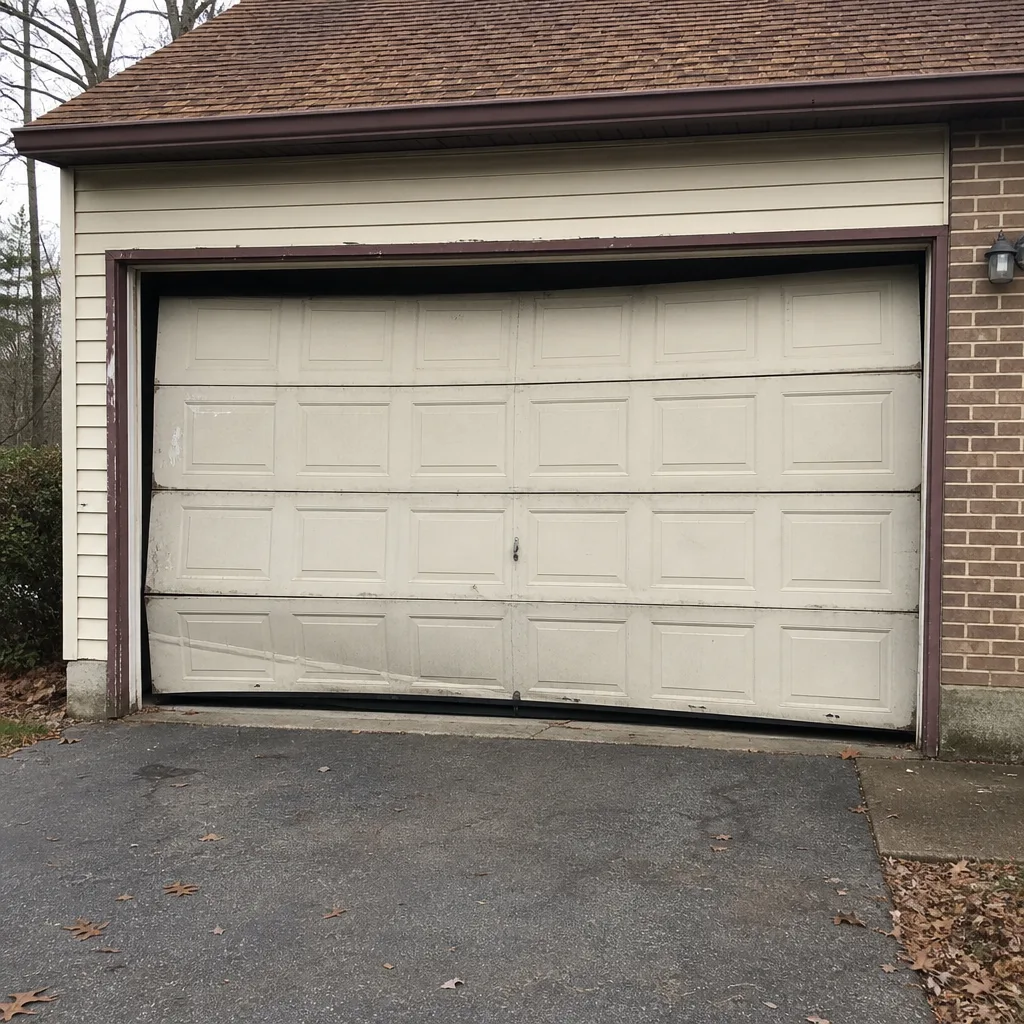 Before
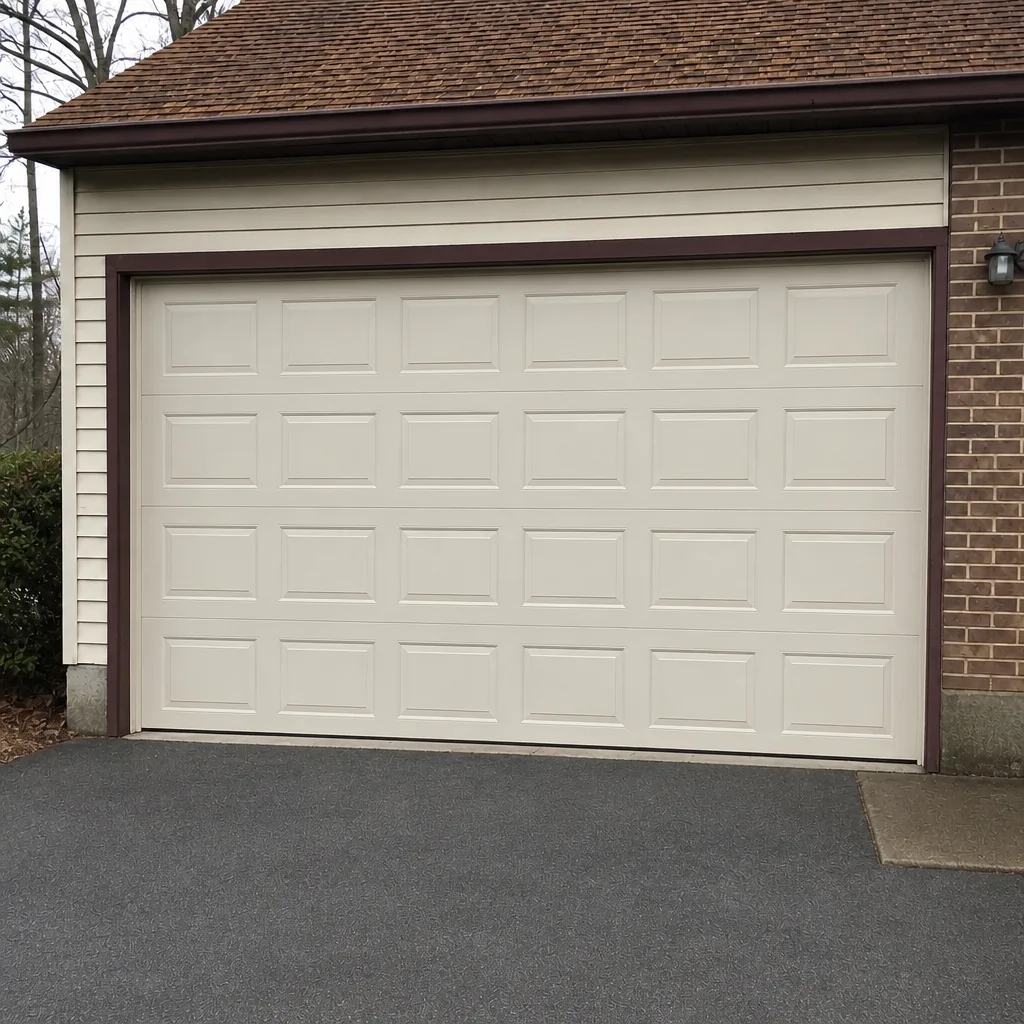 After
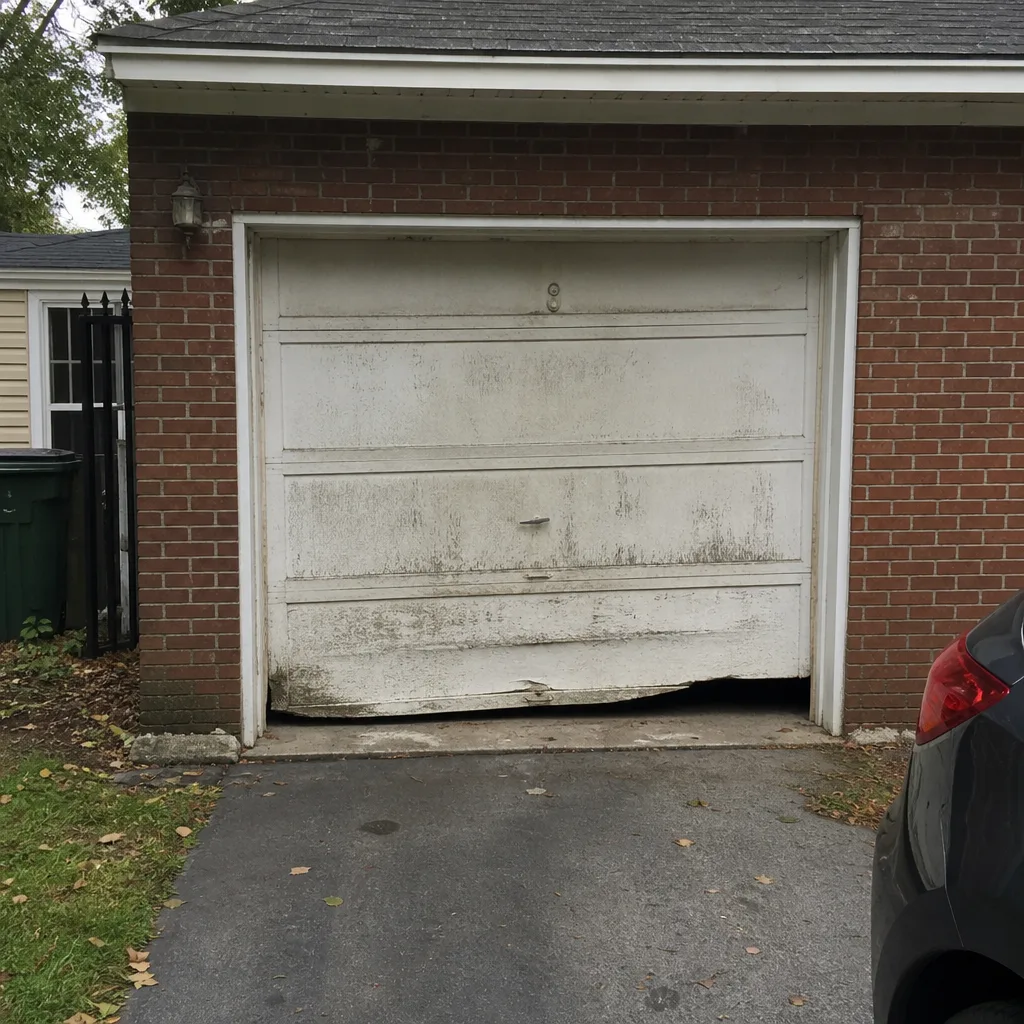 Before
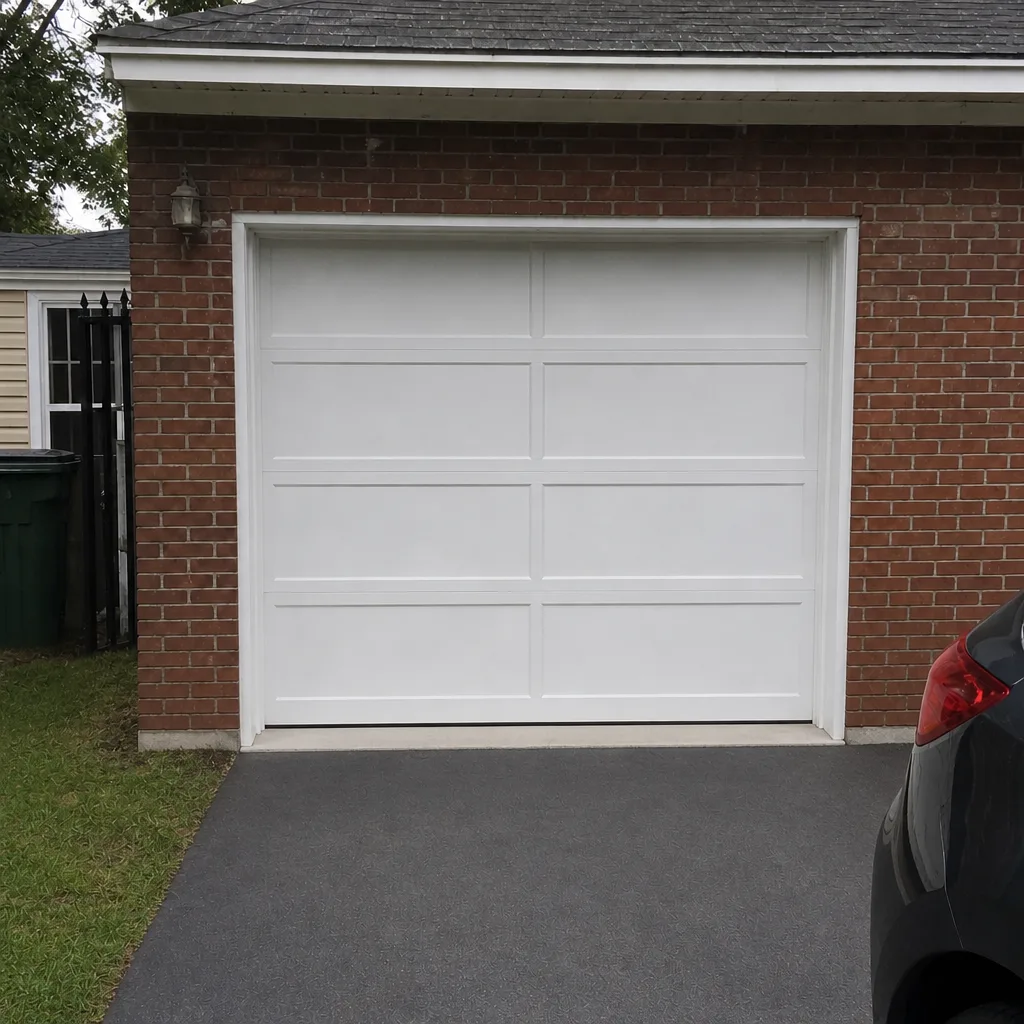 After
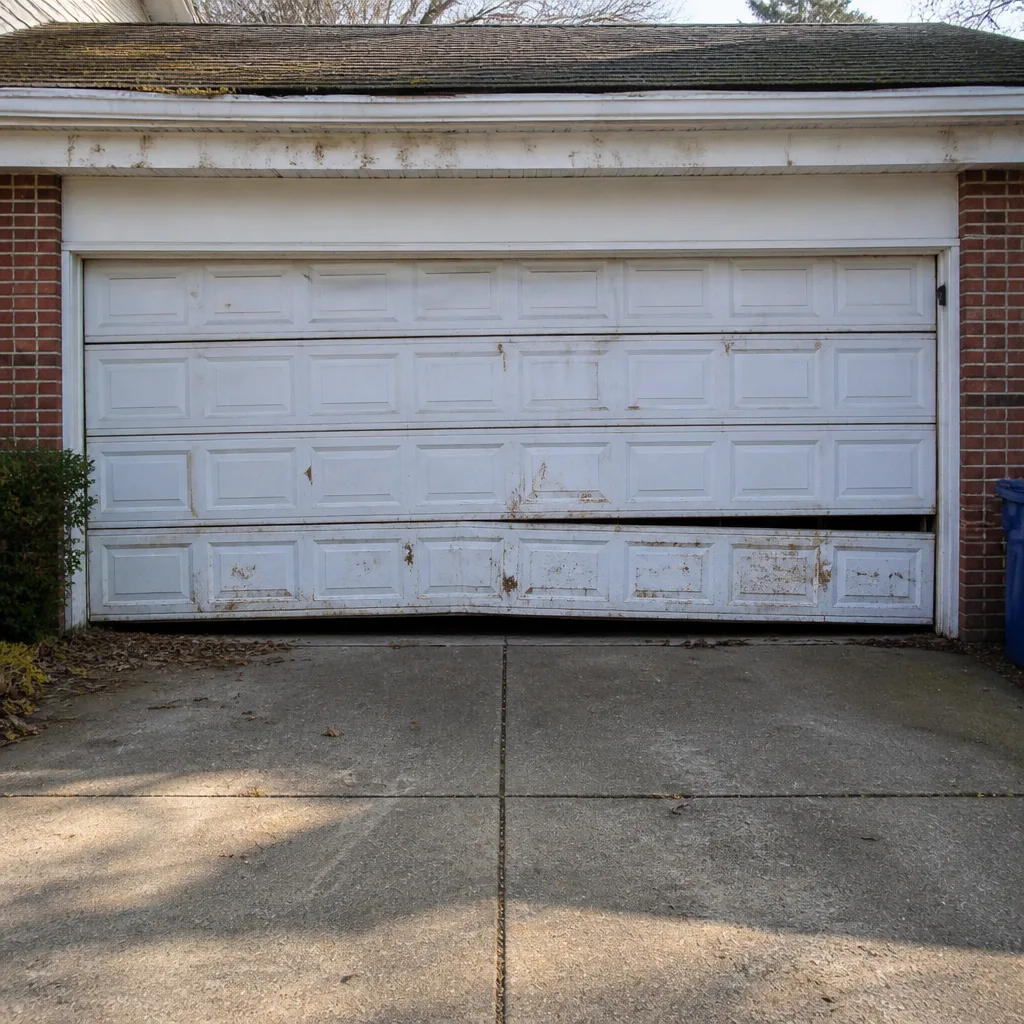 Before
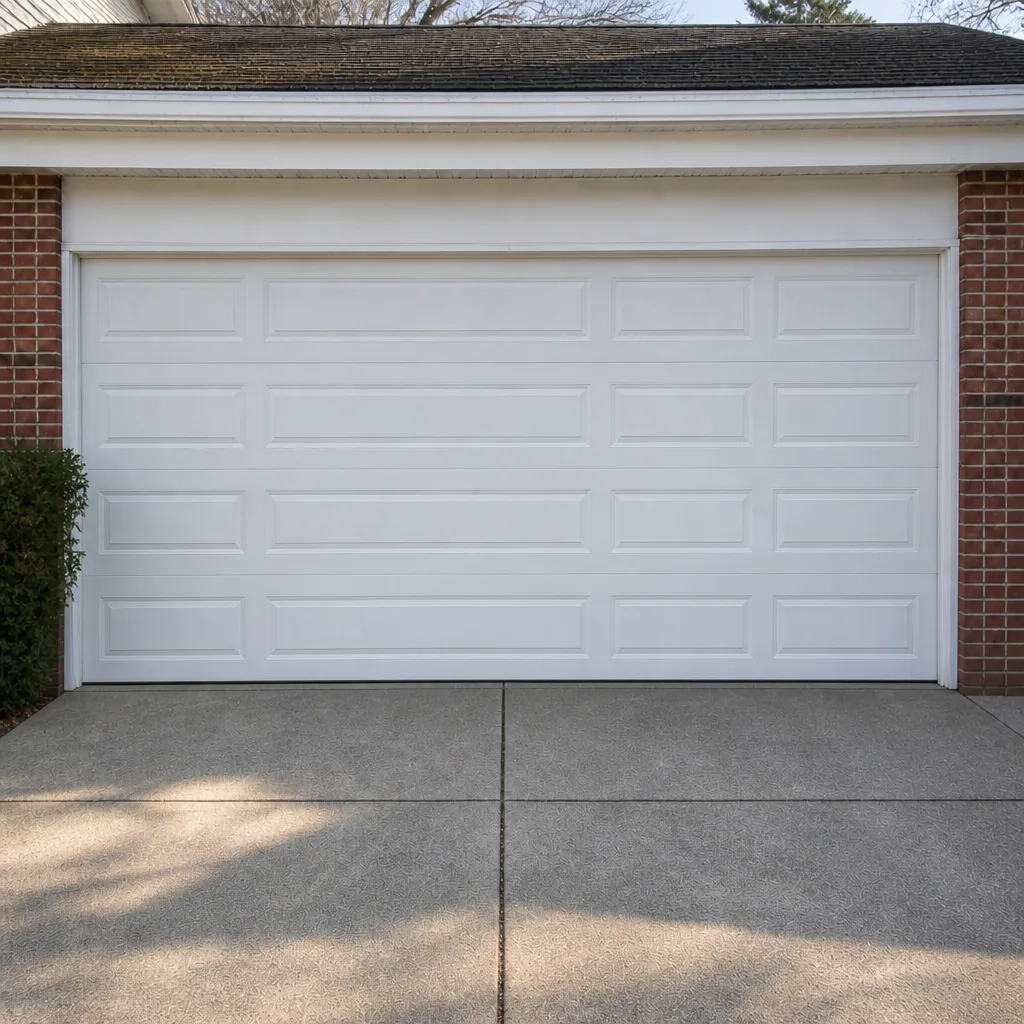 After