
Last updated November 21, 2026
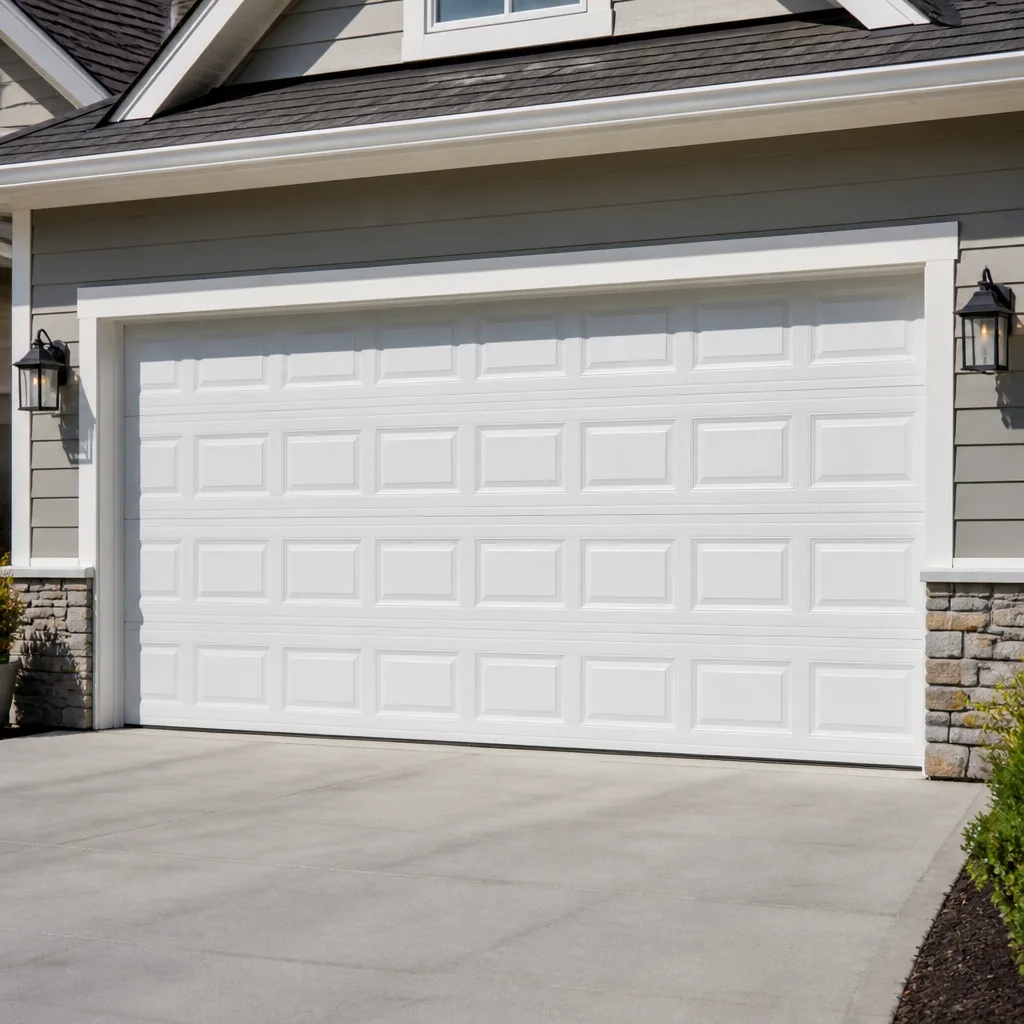 Raised-panel steel
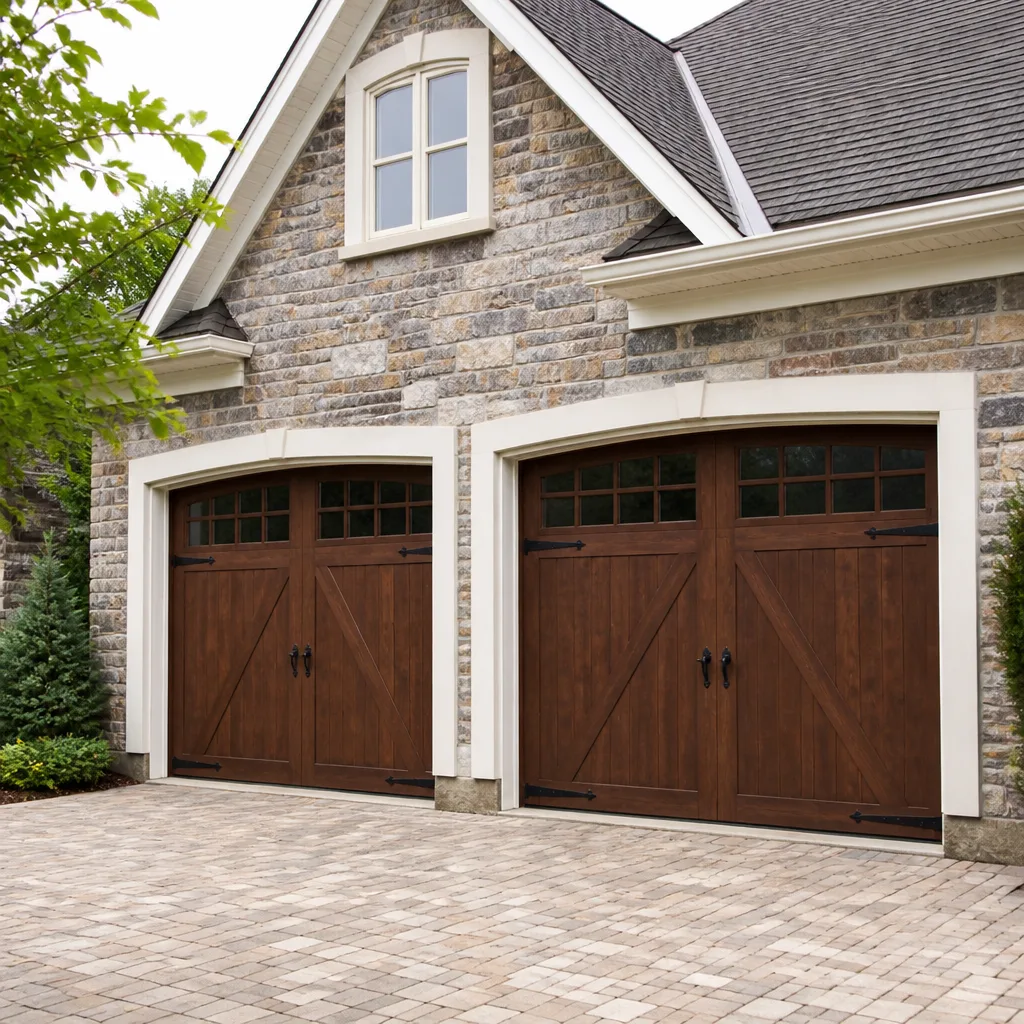 Carriage house
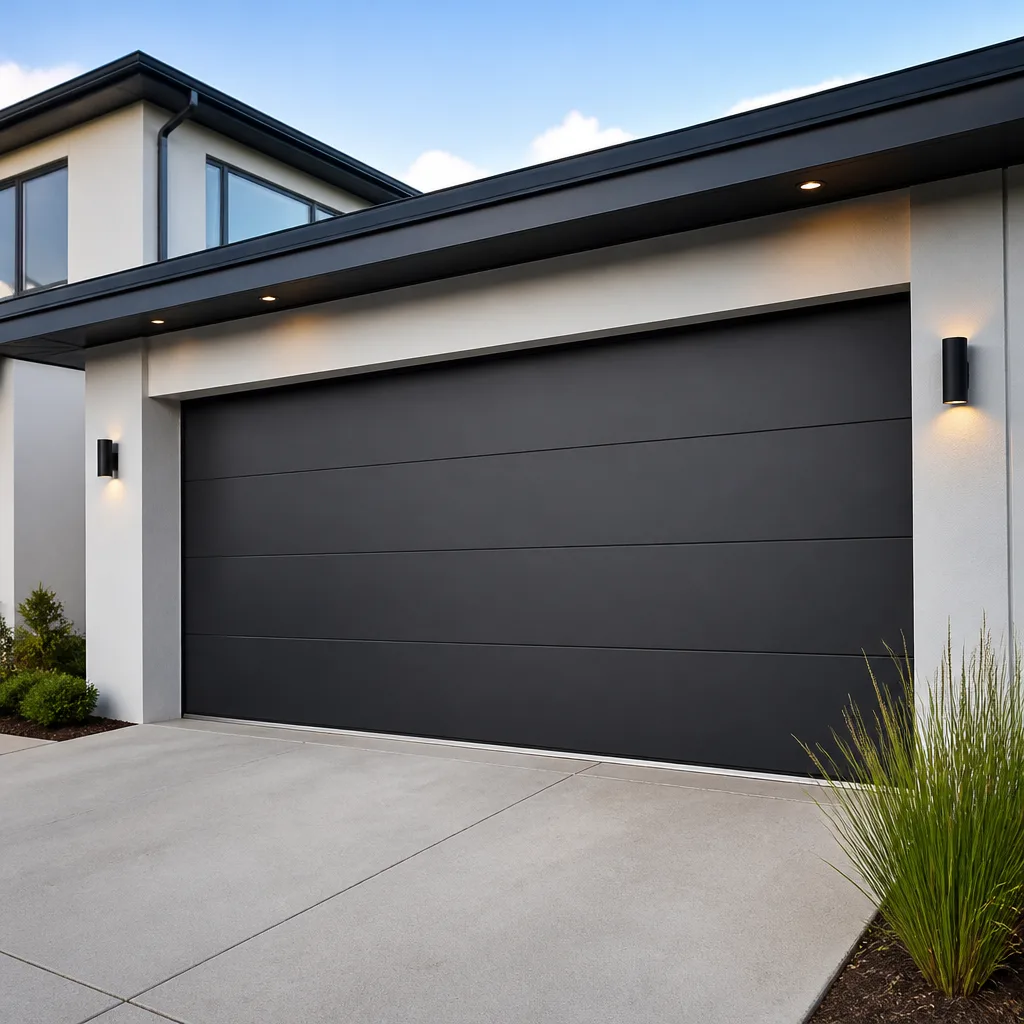 Modern flush
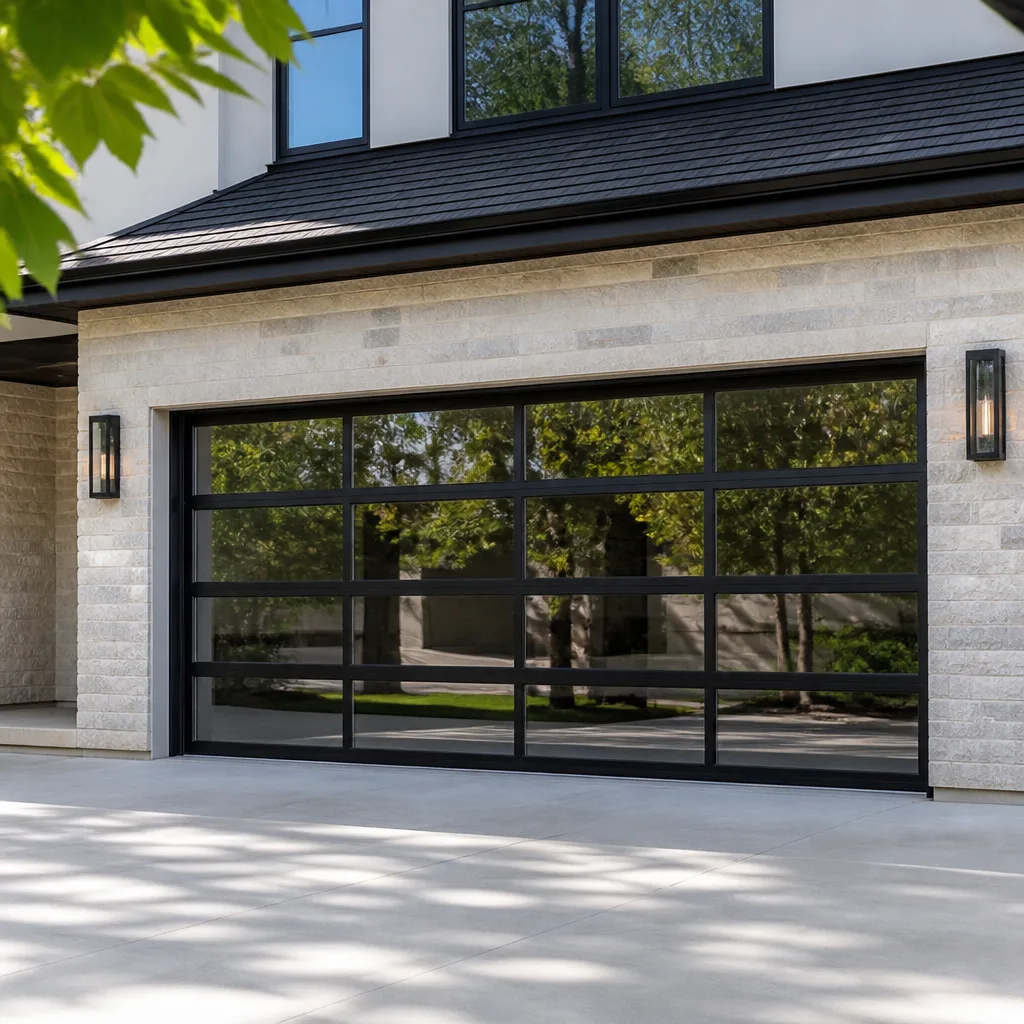 Full-view glass
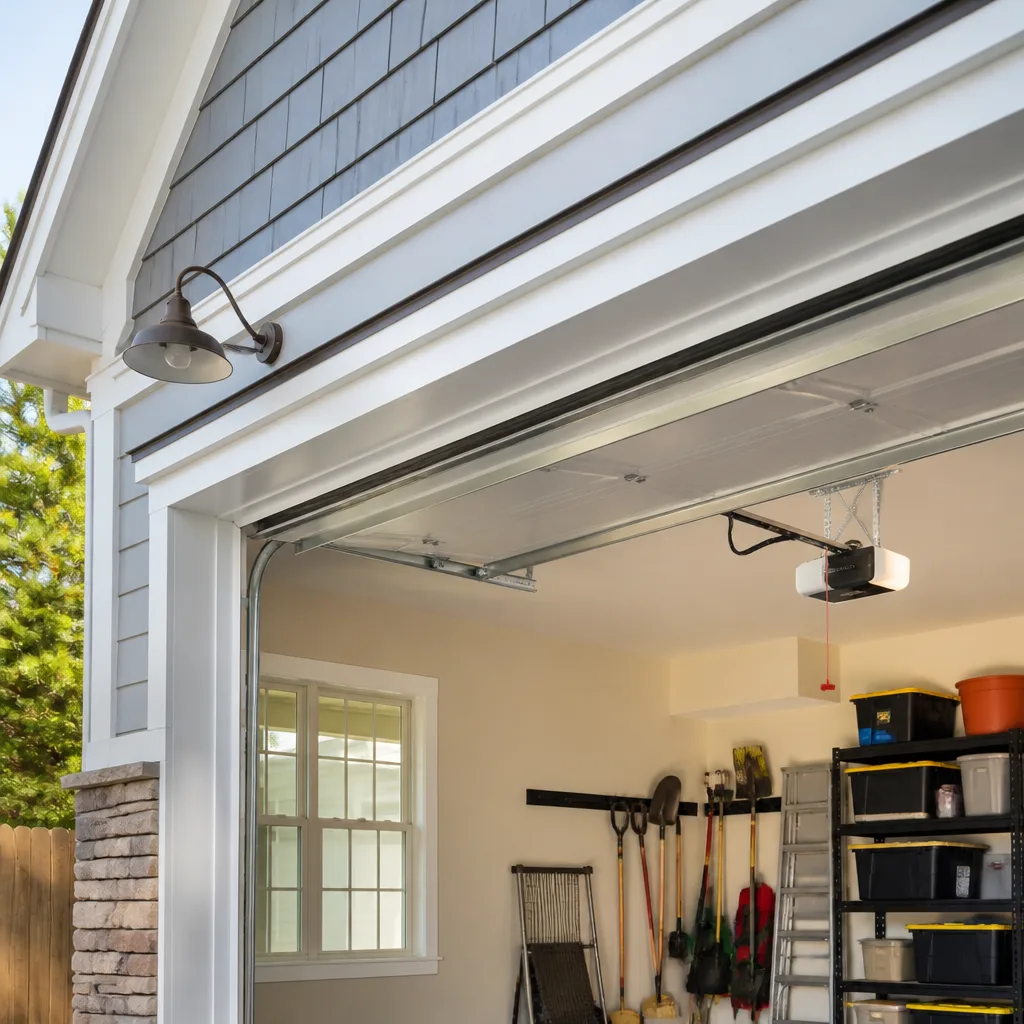 LiftMaster openers
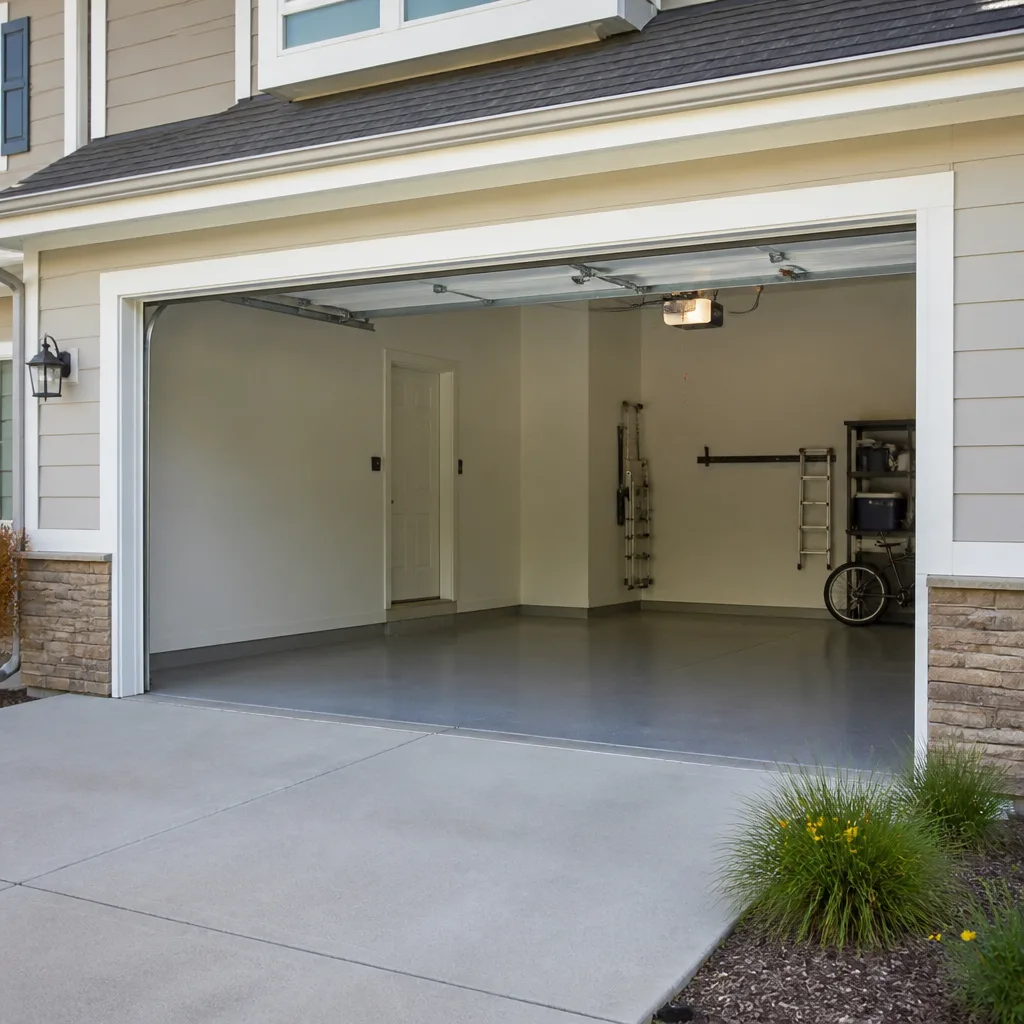 Chamberlain openers
Full 25-point door and opener safety check with every visit - springs, cables, rollers, tracks, and your LiftMaster or Chamberlain opener included
You get a price before we start. It does not change when the pro arrives.
Get your free estimateGarage Door Permits, Codes & Inspections in Columbia, MD: What You Need to Know
A garage door replacement done without the required Howard County permit won’t stop your door from working. It will show up as an unpermitted improvement during a home sale inspection, and buyers’ attorneys notice. That’s the part most Columbia homeowners learn too late, usually at the closing table when a title search turns up work that was never signed off. This guide walks through when Howard County actually requires a permit for garage door work, where the line sits between a repair and a replacement, how Columbia’s HOA architectural review fits on top of county rules, what an inspector really checks, and how to clean up a permit a previous owner skipped. If you’re planning a project in Columbia, this is the paperwork side nobody explains until it’s a problem.
Quick Answer
In Howard County, a full garage door replacement generally requires a building permit, while routine repairs (springs, cables, openers, panels) usually don’t. Structural work on the header or framing above the door almost always requires one. Columbia’s homeowners associations add a separate architectural review layer that runs alongside the county permit, and both must be cleared. When in doubt, call the Howard County Department of Inspections, Licenses and Permits directly and describe the exact scope before work starts.
Styles & brands we work with
- Raised-panel steel
- Carriage house
- Modern flush
- Full-view glass
- LiftMaster openers
- Chamberlain openers
Table of Contents
- When does Howard County require a permit for garage door work?
- Repair vs. replacement: where the line sits
- How structural header work changes the calculation
- Columbia HOA architectural review vs. the county permit
- The building codes that apply to garage doors in Maryland
- What a Howard County inspection actually checks
- How to permit work a previous owner skipped
- What permitting adds to the cost of the job
When does Howard County require a permit for garage door work?
Howard County generally requires a building permit when you’re replacing a complete garage door assembly or doing any structural work connected to it. It generally does not require one for like-for-like repairs that keep the existing door and opening intact.
The simplest way to think about it: if the work changes the door itself, the opening, or anything the door is attached to, ask the county. If the work restores something that already exists and nothing structural moves, it’s usually exempt. A few common examples:
- Permit likely required: replacing the entire garage door with a new door, changing door size or configuration, altering or repairing the header above the opening, replacing the framing or jamb, changing the door type (for example, converting a standard door to a carriage-style door).
- Permit usually not required: replacing torsion or extension springs, replacing cables, rollers, hinges, or bottom brackets, swapping an opener, replacing a single damaged panel on a multi-panel door, replacing weather seal.
Those are general rules, not a substitute for a written answer from the county. Scope differences matter, and a Columbia home doesn’t always fit neatly into a category. A door swap that looks cosmetic might require a permit; a large repair that looks major might not. This is the single most useful habit you can build for a Columbia project: before you sign anything, call the Howard County Department of Inspections, Licenses and Permits, describe the job in one sentence, and ask them to confirm in writing whether a permit is needed. Keep that answer with your home records.
We work on garage doors in Columbia every week, and we’ve learned to treat the permit question as part of the estimate, not an afterthought. When a scope includes a full door replacement, a trained technician can tell you at the estimate stage whether the county would classify it as permitted work. Our technicians have up to 10 years of experience, and that’s the kind of judgment the job asks for. It saves everyone a headache later.
Repair vs. replacement: where the line sits
The line between a repair and a replacement isn’t about cost or number of parts. It’s about whether the door assembly as a whole is being swapped out, and whether anything structural is being touched.
The distinction matters because it determines whether you file a permit application, whether an inspector will visit, and whether your improvement record is clean when you sell. Here’s how most jobs land:
- Component repair: springs, cables, rollers, hinges, brackets, bottom seal, opener replacement. These are maintenance items on an existing door. Usually no permit.
- Panel replacement: replacing one or more panels on a multi-panel door. Generally still considered repair as long as the frame, track, and opening stay put. Some configurations are borderline; ask the county if the panel count crosses a threshold.
- Complete door replacement: the door assembly is removed and a new door is installed. This is where the county usually wants a permit, because the door is a rated component of the building envelope.
- Opening or structural change: altering the width, height, or header of the opening. Permit required, and potentially engineered. This is where a Columbia project can move from a straightforward swap into construction project territory.
For any work on the door mechanism itself, we recommend treating garage door repair as a professional job. Torsion springs and cables store enormous energy, and the hazard is real. That’s a safety caveat that runs alongside any permitting question: a technician trained in spring work is the right person for the repair, regardless of whether the county will inspect it.
How structural header work changes the calculation
If the work touches the header above the garage opening, the calculation changes. A header is a load-bearing beam, and any modification to it is structural work in the county’s eyes. That triggers a permit, an inspection, and often a design element that a door specialist alone can’t resolve.
When we’re in a Columbia home and the estimate reveals a rotting header, a sagging header, or a header that needs to be moved, the job stops being purely a garage door job. A structural engineer may need to weigh in on the replacement beam. The door specialist installs the door; the structural work is its own scope. We don’t handle structural framing, and a general contractor or structural engineer is the right call for that piece.
Some warning signs that header work might be in play:
- The door opening is visibly out of square (gaps at one corner, binding as the door travels).
- The header above the opening shows sagging, cracked drywall, or visible rot or water staining.
- The door has been repeatedly repaired for the same alignment problem across years.
- You’re planning to widen or raise the opening, not just swap the door.
Get this diagnosed at the estimate stage. A head-scratcher that shows up mid-install is a permit issue, a scheduling issue, and a budget issue all at once. Asking the question early is how a Columbia project stays predictable.
Columbia HOA architectural review vs. the county permit
Columbia’s planned community structure means most homes sit inside a homeowners association, and most HOAs have architectural rules that apply to exterior changes. A garage door replacement triggers that review independently of the county permit. You need both sign-offs, and they don’t substitute for one another.
The county permit covers building code and inspection. The HOA architectural review covers community appearance: door style, panel design, color, window inserts, and in some cases material. Approval from one does not satisfy the other. Filing one after the other in the wrong order can add weeks to a project.
Here’s the sequence that works:
- Check your HOA’s architectural guidelines for garage door requirements. Many Columbia associations specify permitted styles, colors, or materials, and some require that the design match what the original builder specified.
- Submit the HOA architectural request with the model and color you’ve selected. Products from Clopay, Amarr, and Wayne Dalton, for example, come in color and design lines that most HOAs have seen before, so you can usually find an approved match without a fight.
- Once the HOA approves, file the county permit if the scope requires one.
- Schedule the install after both approvals are in hand.
Filing the county permit first and then discovering the HOA won’t approve your chosen door is a common and avoidable problem in Columbia. Start with the HOA if you’re unsure; their timeline is usually the longer one.
The building codes that apply to garage doors in Maryland
Maryland residential construction generally follows the International Residential Code (IRC), and commercial or mixed-use work follows the International Building Code (IBC). A few sections come up again and again in garage door work.
- Wind load: the IRC addresses garage doors as part of the building envelope and requires the door to withstand the design wind pressure for the location. That’s relevant in Columbia because the standards look at design wind speed, not average weather. A door rated for the wrong wind load isn’t a code-compliant door, even if it fits and operates.
- Fire separation: the IRC and IBC both address the separation between an attached garage and the living space. In residential construction, that’s usually a fire-rated wall and door assembly between the garage and the house. Replacing a door on a garage that shares a wall with the house brings this into scope, because the new assembly has to maintain the rating of the wall it sits in.
- Safety features: modern door openers must include an entrapment protection feature, and the code requires the reversing mechanism to function. This isn’t a “nice to have” upgrade; it’s a built-in safety requirement for anything installed today.
- Egress and habitable space: if the garage door is between the house and any habitable room in a way that affects egress, the door assembly’s operation matters to life safety, not just convenience.
The specific code sections and how they apply to your project are best confirmed by the county plans examiner. A door specialist can tell you how a given model is rated; the county decides whether your scope meets code.
For smart opener work, the same expectation applies: a Wi-Fi-enabled opener from Chamberlain or LiftMaster’s myQ line still has to be installed with a working reversing mechanism. Our garage door opener repair work always checks that the opener’s safety feature works properly, because an opener that runs without it isn’t compliant and isn’t safe.
What a Howard County inspection actually checks
During a garage door install inspection, an inspector is verifying that the installed door and its supporting elements comply with the approved scope. Most inspections follow a familiar checklist:
- Door and hardware installation: door is installed according to manufacturer instructions, hardware is properly attached, and the door operates smoothly through its full travel.
- Attachment to the building: the door and its track assembly are securely attached to framing.
- Structural elements in scope: any header, jamb, or framing work covered by the permit is checked against what was approved.
- Wind load rating: door label or documentation confirms the door is rated for the design wind load the permit specifies.
- Fire separation where applicable: the door assembly maintains the fire rating between an attached garage and living space.
- Opener safety feature: the reversing mechanism is tested and functional.
- Clearances and label: door and opener labels are present and legible, and clearances are maintained.
What an inspector won’t do is fine-tune your opener or adjust the spring tension. Those are the door technician’s job. The inspection is about compliance with the approved scope, not performance after installation. That’s why we recommend having the door operating perfectly before inspection. If the door drags, binds, or the opener reverses unreliably, the fix is a technician visit first, not a scramble at the inspection.
When we work in Columbia, we expect an inspector to look at the same things we do. Familiarity with the process is part of the job.
How to permit work a previous owner skipped
If you’ve discovered an unpermitted garage door replacement – either because a title search turned it up or because a contractor flagged it – you can usually address it through a retroactive permit process. The exact route depends on the county, the age of the work, and whether it can be inspected as it currently is.
The general sequence for cleaning this up:
- Document what exists. Take clear photos of the door, the opening, the track and hardware, and any labels on the door or opener. Manufacturer labels show the model and wind load rating, and those are what the county will want to see.
- Call the county. Ask Howard County’s Department of Inspections, Licenses and Permits how they want unpermitted work handled for a residential garage door replacement. Often there’s a process to submit an application after the fact, and an inspection of the existing work may be possible.
- Hire a technician to inspect the door first. Retroactive permits go far more smoothly when the installed door is in good shape, properly attached, and operating within spec. If the door has installation problems, those get fixed before the paperwork moves forward.
- Submit the application with the documentation and the fee. The county will inspect and either sign off or require corrections.
- Keep the sign-off with the home records. Once it’s cleared, the improvement is no longer a closing-table issue.
The Howard County process is best confirmed with the county directly. What we can say from experience is that the paperwork goes more easily when the underlying work is solid. If the previous owner’s installation wasn’t done to spec, that gets caught during this process, and it’s better caught now than during a buyer’s inspection on your home sale.
What permitting adds to the cost of the job
Permit fees are set by Howard County, and they’re separate from the garage door installation cost. The door manufacturer doesn’t set them, we don’t set them, and they vary by scope. The best way to size the fee is to call the county with your project description.
On the installation side, the ranges below are typical estimates, not final prices. Every job is priced by a free written estimate after we measure your opening and see the existing door:
| Item | Typical range (estimate) |
|---|---|
| Permit fee (Howard County, single door replacement) | Set by county; confirm before filing |
| Standard single-car door installation | Priced by written estimate |
| Double-car door installation | Priced by written estimate |
| Clopay or Amarr door replacement, single door | Priced by written estimate |
| Wayne Dalton door replacement, single door | Priced by written estimate |
| Opener replacement (Chamberlain, LiftMaster, or Craftsman) | Priced by written estimate |
| Spring repair (one spring; a matched pair is usually replaced together at roughly twice the single-spring cost) | Priced by written estimate |
Here’s the piece every homeowner should ask about at the estimate: is the price fixed? On our jobs, it is. The price is quoted and agreed before any work starts. If we discover something once we’re on site that changes the scope (a damaged header, unexpected structural work, a different door opening), we stop, explain it, and get a new written estimate before proceeding. No surprises on the invoice.
For the mechanism side of things, most repair work doesn’t require a permit, but it does require a specialist. If springs or cables are the issue, garage door spring repair belongs with a trained technician. A full replacement is where the permit conversation comes into play.
Common Mistakes to Avoid
- Skipping the permit on a door replacement because the installer said it wasn’t needed. A door replacement often does require one, and the consequences show up years later at a closing table, not during the install. Get a written answer from the county before work starts.
- Filing the county permit before checking with the HOA. Columbia’s associations have architectural rules that can reject a door style after a permit has already been issued. HOA approval first, then the county.
- Assuming an inspection covers workmanship. An inspector verifies code compliance, not whether the door runs smoothly or the opener reverses reliably. Those are separate conversations with a technician.
- Choosing a door without checking its wind load rating. A door rated below the design wind load for your location isn’t code-compliant, even if it was properly installed. The model label is what the inspector checks.
- Forgetting that fire separation matters between garage and house. If the door sits in a fire-rated wall, the new assembly has to maintain the rating. That’s a plan-detail conversation, not a “we’ll figure it out on site” one.
- Ignoring a sagging header until the door starts dragging. A bending header changes the entire scope of a replacement and adds a structural engineer to the project. Get it diagnosed early.
- Assuming a previous owner’s work is fine because the door still opens. A functioning door isn’t the same as a permitted door. Document what exists before your own sale turns up the issue.
See the difference
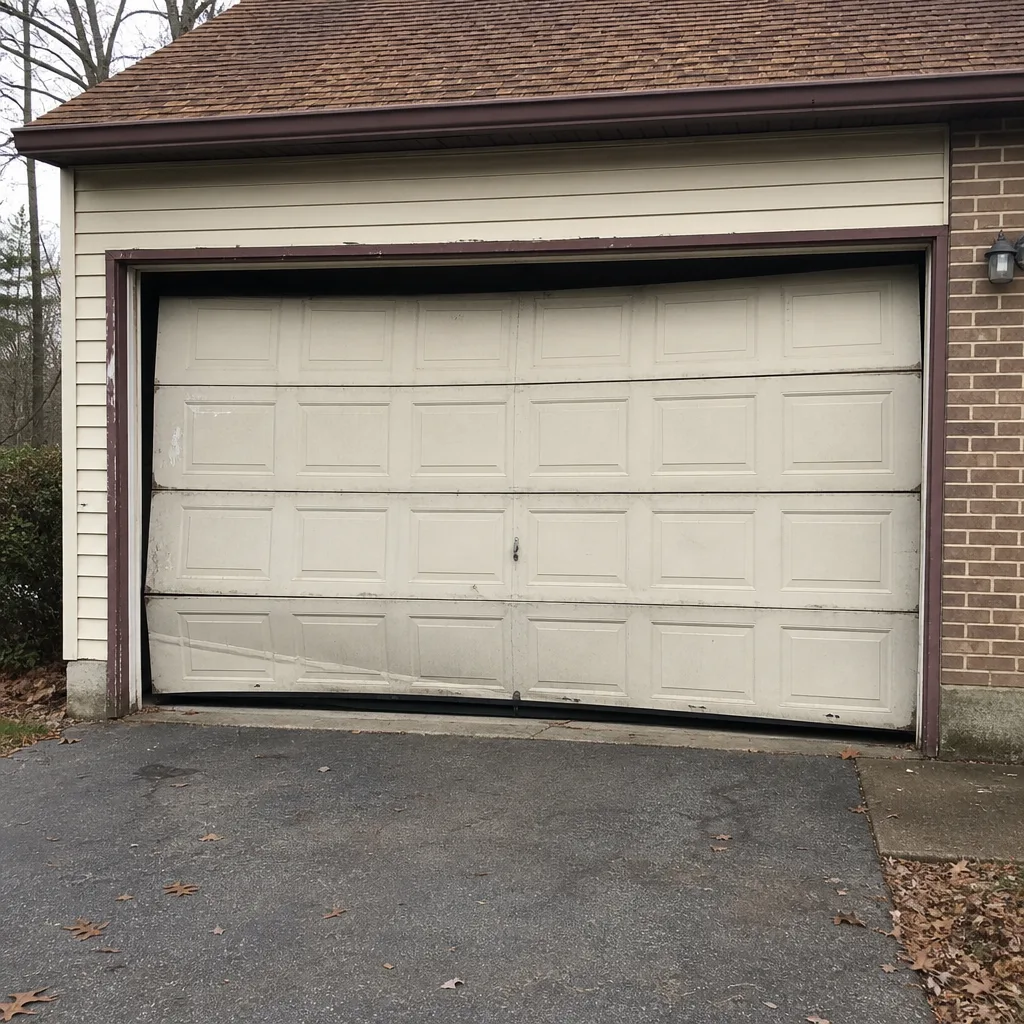 Before
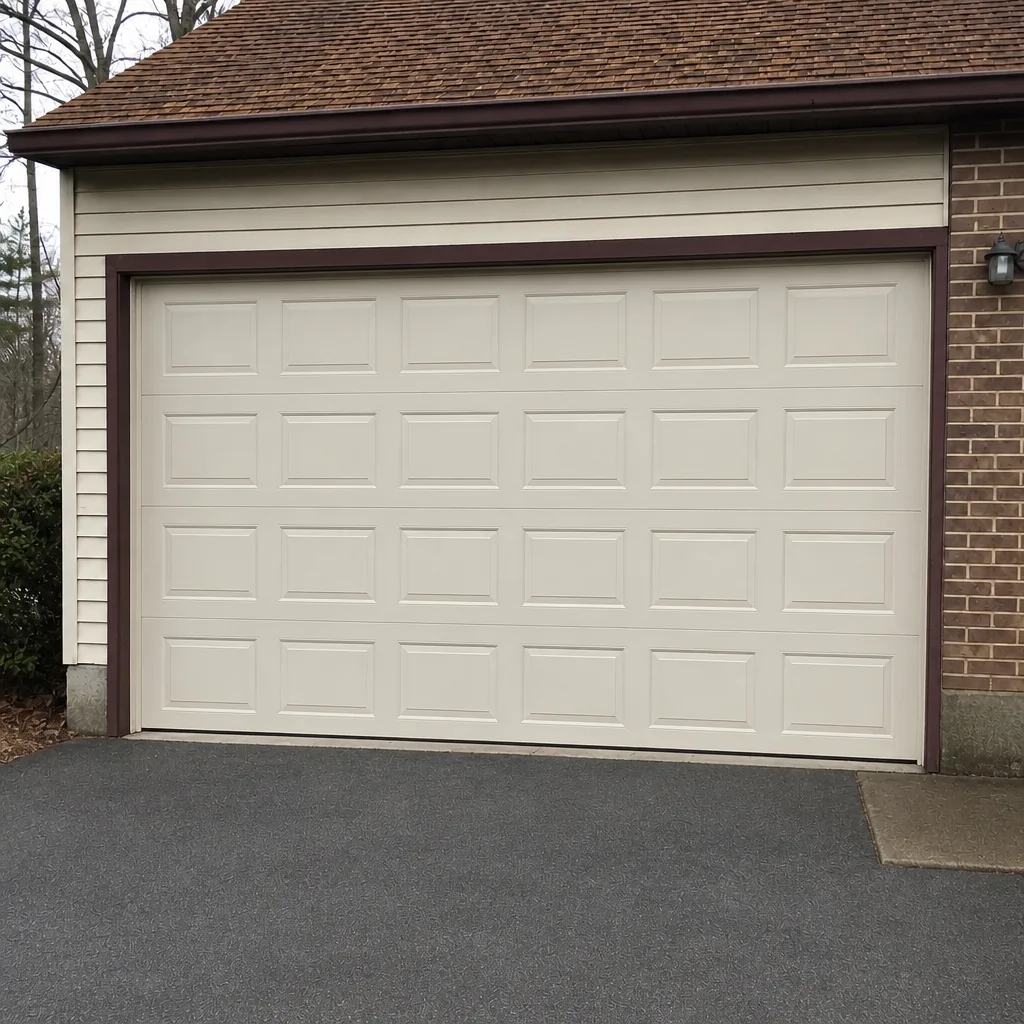 After
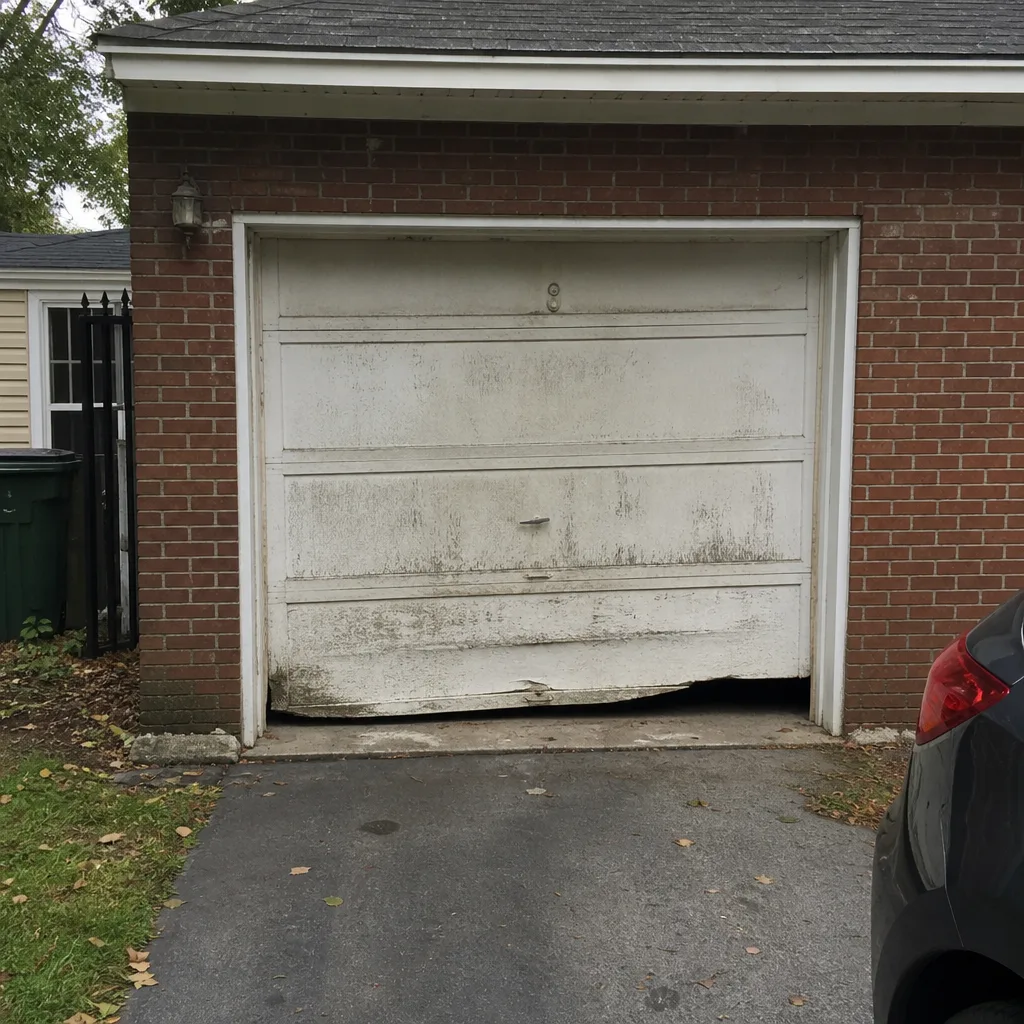 Before
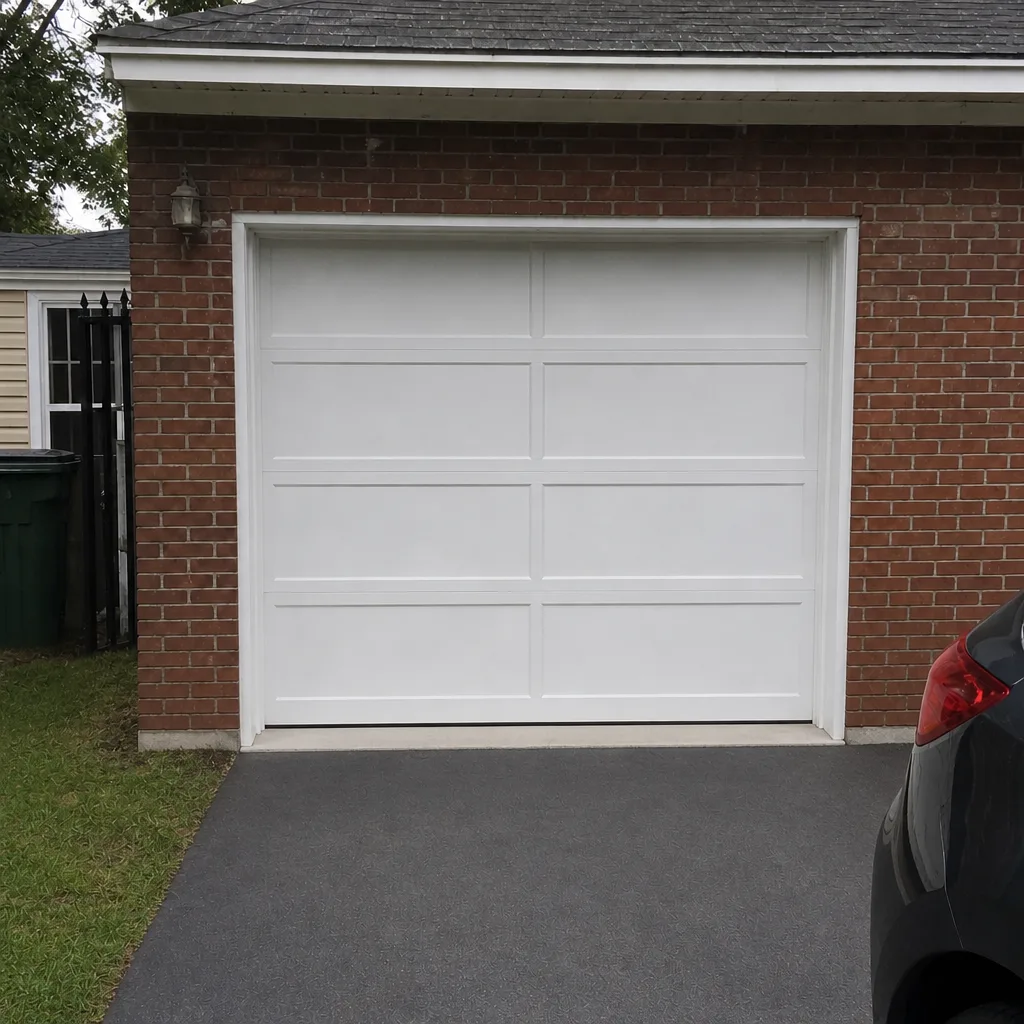 After
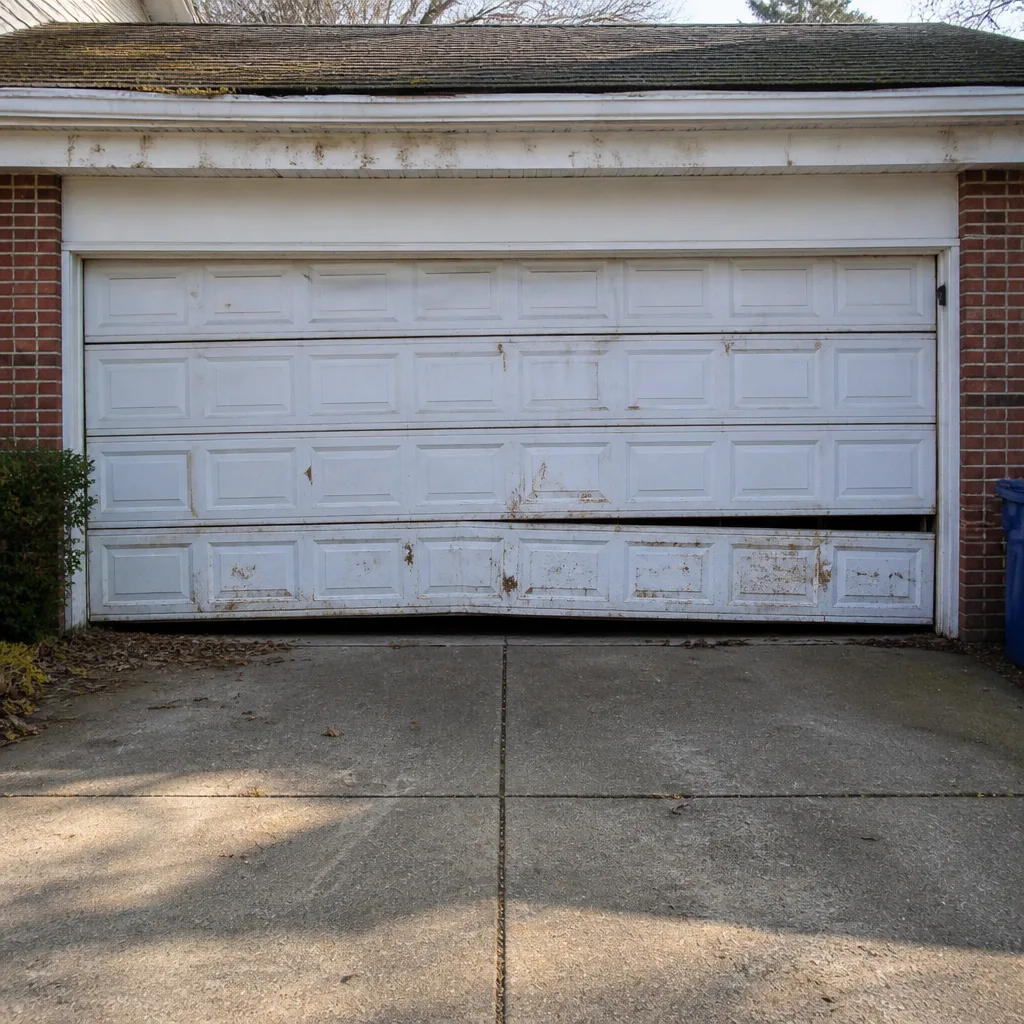 Before
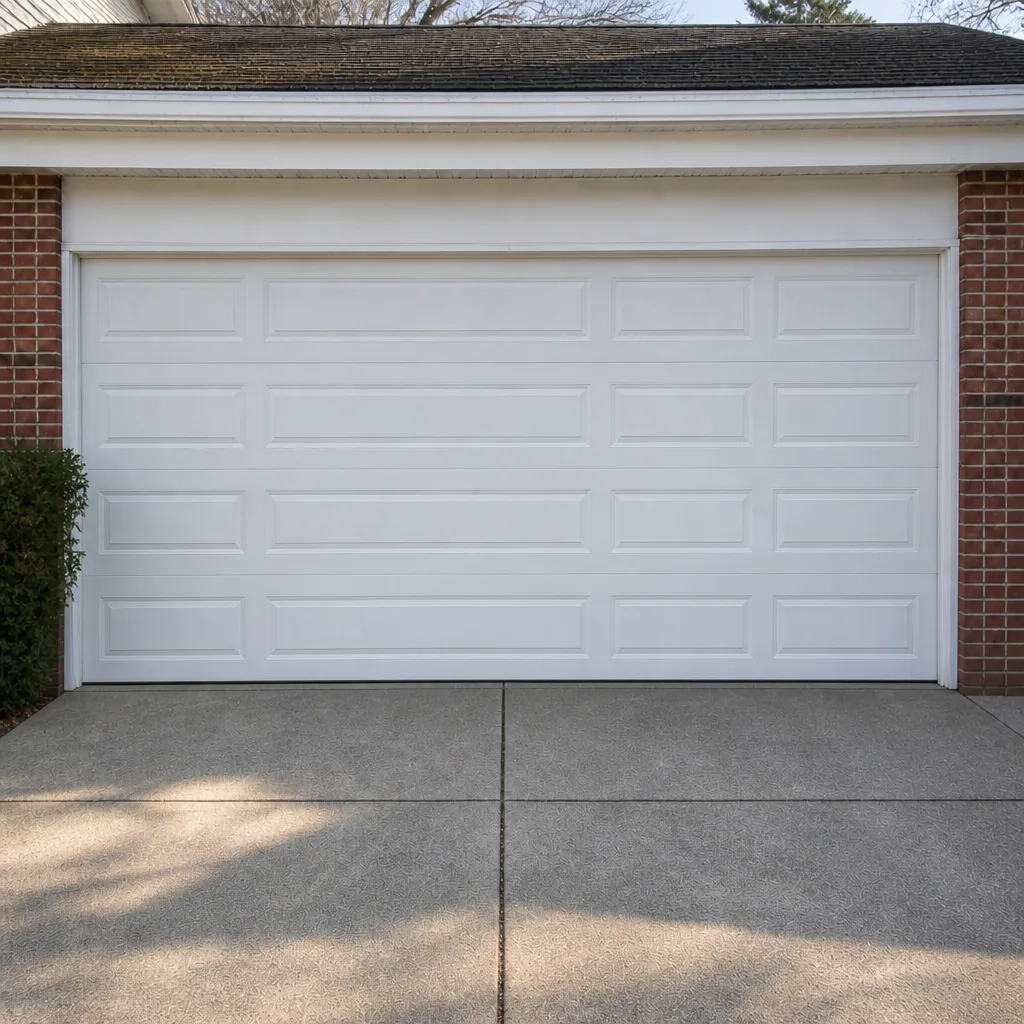 After
When to Call a Professional
Call a trained garage door technician when the door itself is the problem: a torsion spring has snapped, a cable is frayed, the door is hanging off its track, or the opener reverses unpredictably. Call us before you replace anything if you’re unsure whether a permit is required; we can walk through the scope and tell you what a Howard County permit application would likely cover. If the issue is structural – a sagging header, an out-of-square opening, rot in the framing around the door – that’s a general contractor or structural engineer’s scope, not ours. When the door is damaged, sticking, or won’t stay closed and the home is unsecured, that’s a call we can move on quickly.
Columbia Garage Door Repair Co offers free estimates in Columbia. Call (855) 506-9884. We answer 24/7. Fast dispatch from 7am to 7pm, Sunday through Friday. We work on the brand already in your home: LiftMaster, Chamberlain, Genie, Clopay, Amarr, Wayne Dalton, Craftsman, and Raynor.
Frequently Asked Questions
In most cases, yes. A full garage door replacement generally requires a Howard County building permit, while routine repairs like springs, cables, and openers usually don’t. The answer depends on the exact scope, so confirm with the Howard County Department of Inspections, Licenses and Permits before work starts. Call (855) 506-9884 for a free estimate on the door side; the county confirms the permit status.
Usually yes. Columbia’s homeowners associations run architectural review separately from the county permit process, and one doesn’t substitute for the other. Start with the HOA if you’re unsure, since their timeline is often longer. Then file the county permit if the scope requires it. Call (855) 506-9884 for a free estimate.
Nothing immediate; the door works. The problem shows up when you sell, because a title search can flag unpermitted work, and buyers’ attorneys ask questions at closing. You can usually resolve it retroactively with the county, but it’s a headache that’s easier to avoid. Call (855) 506-9884 for a free estimate; we can help you scope the job correctly the first time.
An inspector checks that the door is installed according to the approved scope: attachment, operation through the full travel, wind load rating on the door label, fire separation where applicable, opener reversing mechanism function, and structural work if it was in scope. The inspection is about code compliance, not fine-tuning. Call (855) 506-9884 for a free estimate on the door installation.
Usually yes. Spring replacement, cable replacement, and opener replacement generally don’t require a Howard County permit because they don’t change the door assembly or anything structural. They do require a trained technician; torsion and extension springs are one of the most hazardous DIY risks in home maintenance. Call (855) 506-9884 for a free estimate.
A repair restores the existing door and keeps the opening intact; a replacement swaps the complete door assembly, which is where the permit usually comes in. Structural header work changes the calculation entirely and requires a permit regardless. If you’re between the two, describe the exact scope to the county and get their answer in writing. Call (855) 506-9884 for a free estimate.
The Bottom Line
Most garage door work in Columbia is routine repair that doesn’t touch a permit. The moment the project becomes a full door replacement, or anything structural above the opening is involved, Howard County’s permit rules apply, and Columbia’s HOA architectural review runs in parallel. Clear both before any install. Get a written answer from the county if you’re unsure about scope, keep the sign-off with your home records, and ask the door specialist to document the door’s model and wind load rating at the estimate stage. That’s what makes a replacement painless now and clean at closing later.
Garage doors are all we do, so we see these jobs from the door side every week. Our technicians have up to 10 years of experience and are trained specifically in spring repair and opener diagnostics. When the door itself is the problem, we diagnose it right and fix it right, the first time. For a free estimate in Columbia, reach out to Columbia Garage Door Repair Co and we’ll walk through the scope with you.
Call (855) 506-9884 for a free estimate. We answer 24/7. Fast dispatch from 7am to 7pm, Sunday through Friday. When your door won’t open, waiting isn’t an option, so we offer emergency garage door service for situations where the home is unsecured or the door is a safety risk. Free estimates and a written price before any work starts.
Written by the team at Columbia Garage Door Repair Co.