
Last updated November 21, 2026
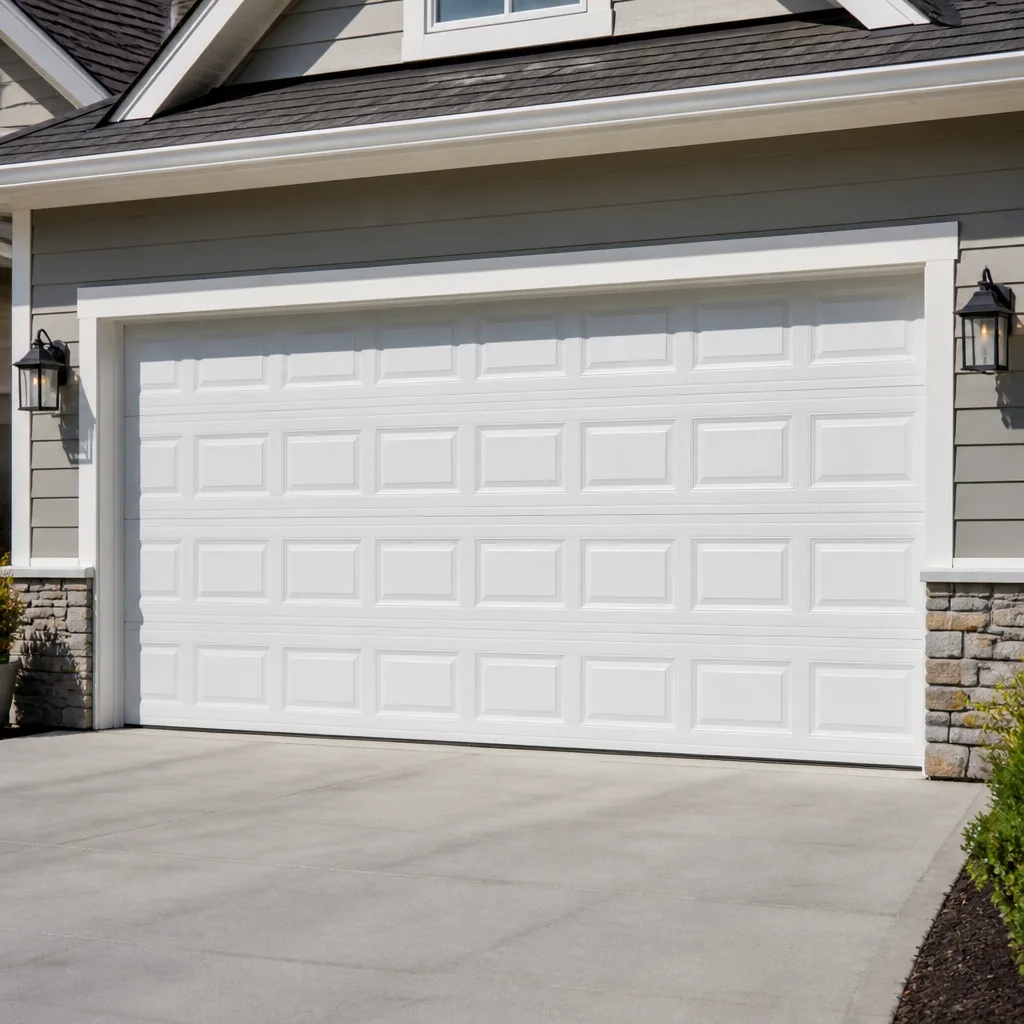 Raised-panel steel
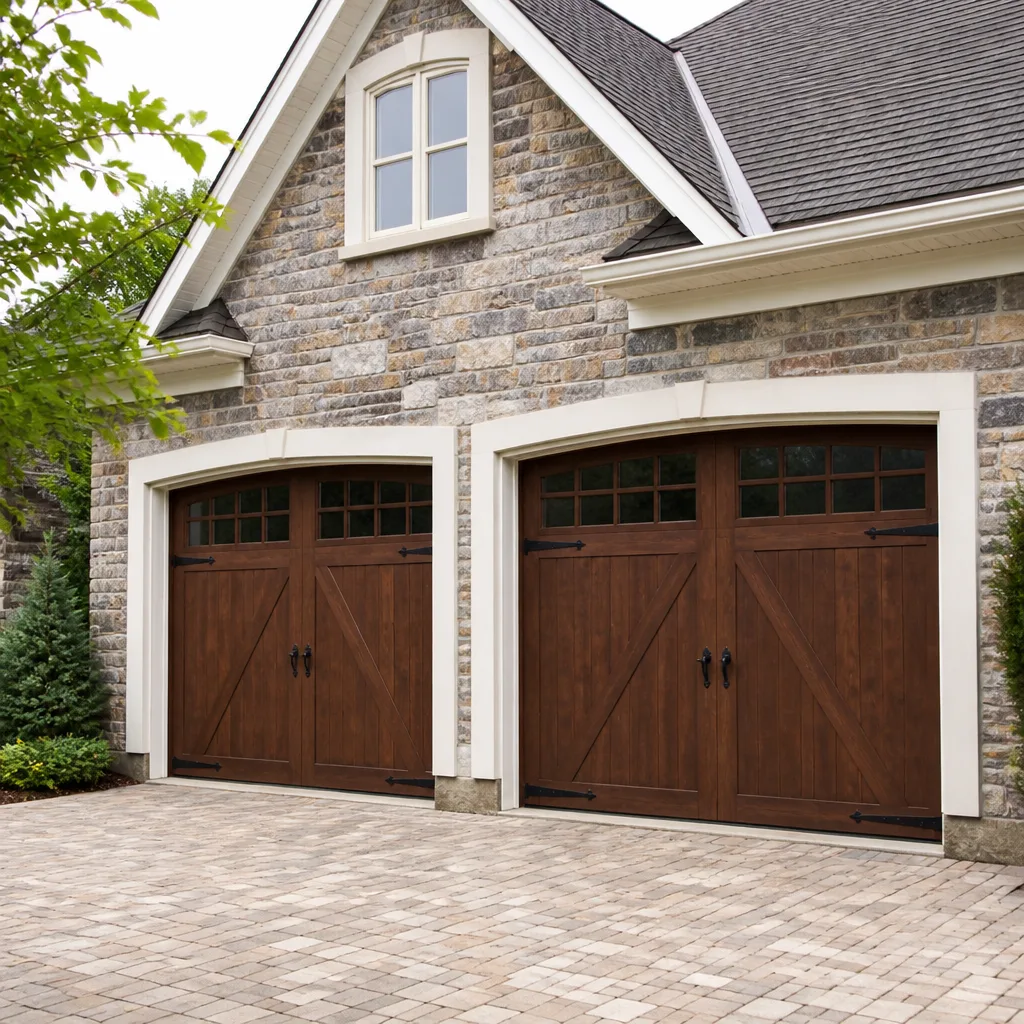 Carriage house
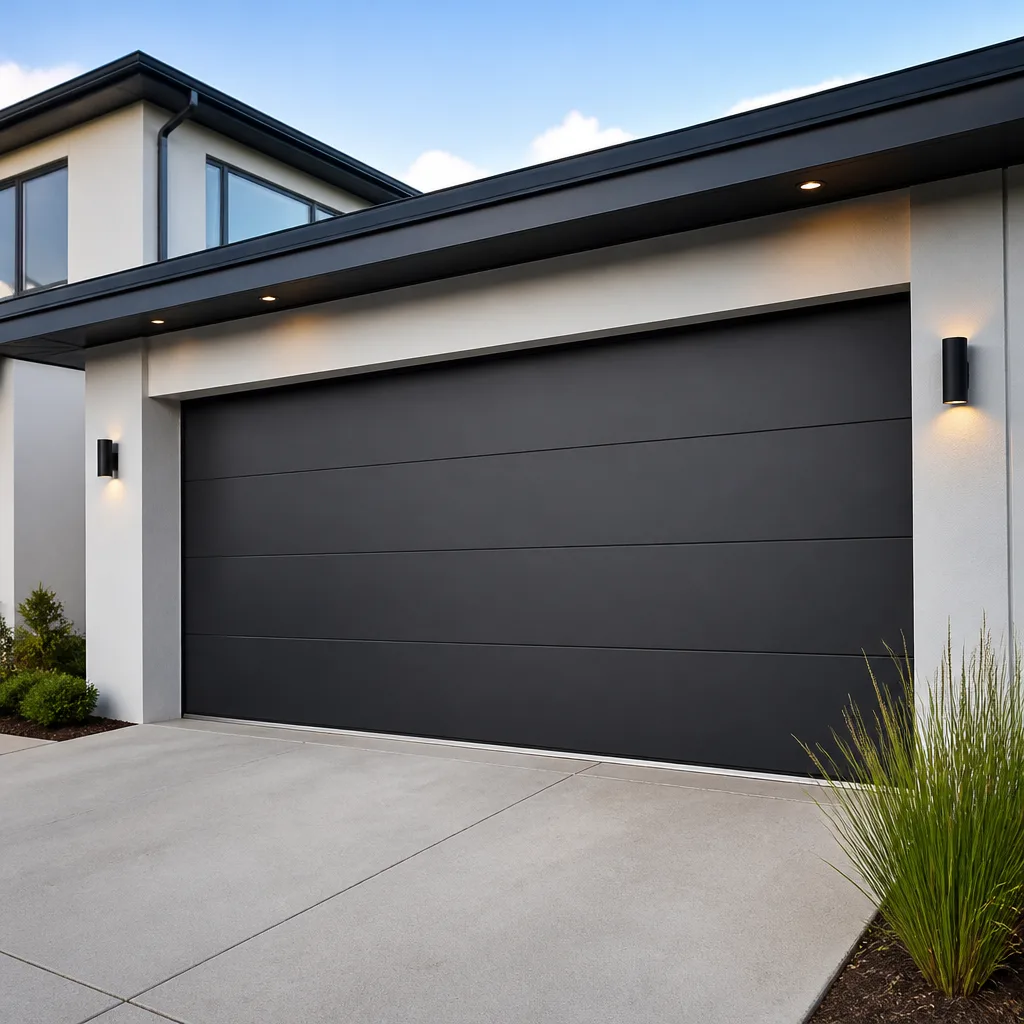 Modern flush
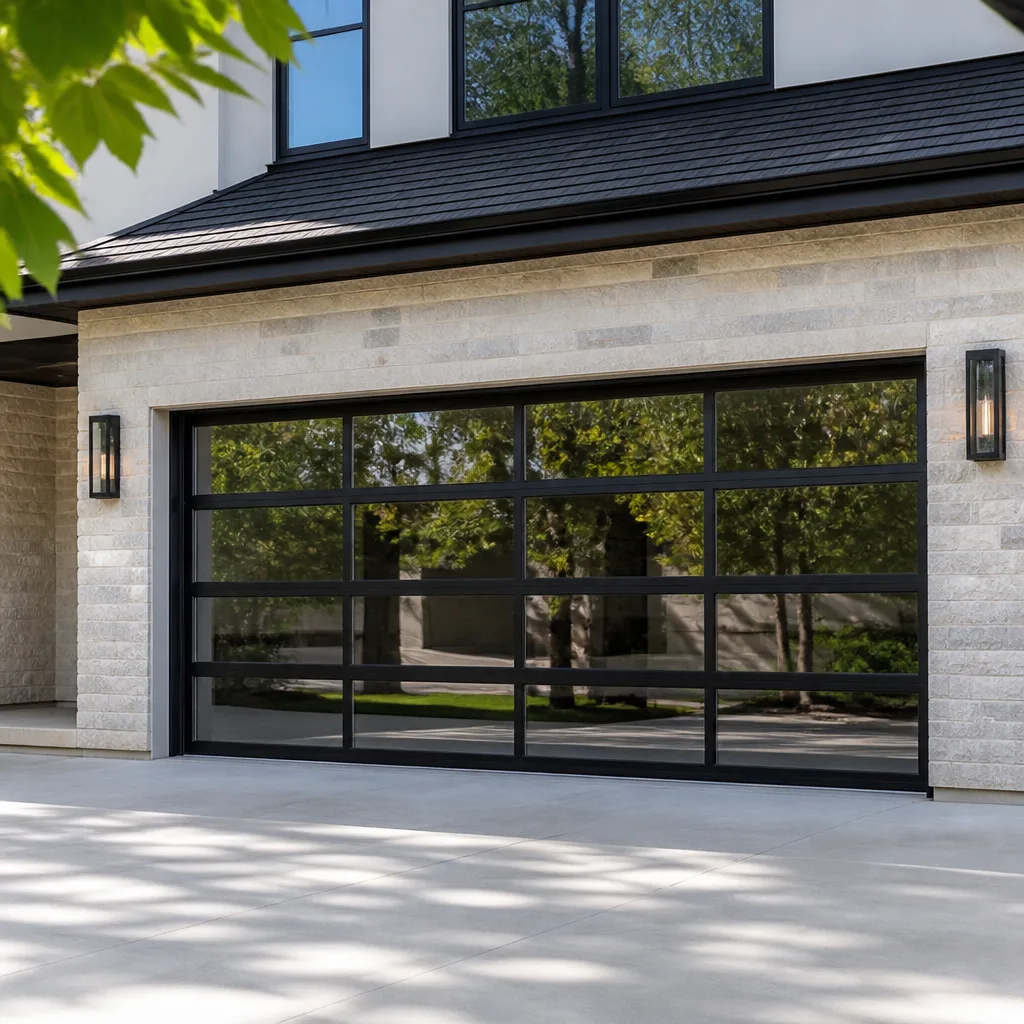 Full-view glass
 LiftMaster openers
 Chamberlain openers
Full 25-point door and opener safety check with every visit - springs, cables, rollers, tracks, and your LiftMaster or Chamberlain opener included
You get a price before we start. It does not change when the pro arrives.
Get your free estimateGarage Door Repair Maintenance Checklist for Columbia Homeowners
Lubricating your garage door hinges in August in Columbia is almost pointless. The real maintenance window is September, before the temperature swings start cycling metal components through months of expansion and contraction. Most published checklists hand you a flat task list with no order, no timing, and no guidance on what to skip because it’s genuinely dangerous. This guide fixes that. You’ll get a month-by-month schedule tied to Columbia’s actual climate calendar, a five-point visual inspection with pass/fail criteria you can run safely from the ground, and a clear line between what’s DIY-safe and what belongs to a trained technician.
Quick Answer
The right garage door maintenance checklist for Columbia homeowners is a short monthly visual inspection, a seasonal lubrication and balance check, and an annual professional tune-up scheduled in September before the heating season. The tasks you can safely do yourself are lubrication, visual inspection, and a balance test with the door disconnected. Anything involving torsion spring tension, cable adjustment, or the opener’s internal gearing should go to a trained technician.
Styles & brands we work with
- Raised-panel steel
- Carriage house
- Modern flush
- Full-view glass
- LiftMaster openers
- Chamberlain openers
Table of Contents
- Why Columbia’s Climate Sets Your Maintenance Calendar
- The Month-by-Month Maintenance Schedule
- The Five-Point Visual Inspection You Can Do From the Ground
- What’s Safe to Do Yourself vs. What Isn’t
- Parts That Wear Silently: Springs and Cables
- How to Log Maintenance So a Technician Diagnoses Faster
- Opener and Smart-Platform Checks
- Common Mistakes to Avoid
- When to Call a Professional
Why Columbia’s Climate Sets Your Maintenance Calendar
Columbia sits in a stretch of central Maryland where summer humidity runs high and winter swings between mild days and hard freezes. That combination is hard on a garage door. Humidity works on steel rollers and hinges, and the freeze-thaw cycle works on the tracks, the seals, and every lubricated joint in the assembly.
Here’s the part most checklists miss. The problem isn’t the heat or the cold alone. It’s the transitions. Every time the temperature drops twenty degrees overnight, the steel in your door, tracks, and springs contracts. Every warm afternoon, it expands again. A torsion spring cycles through this contraction and expansion hundreds of times a season on top of the thousands of times the door actually opens and closes. That’s why the highest-value maintenance window in Columbia is September, not spring. Get the lubrication and balance dialed in before the cold sets in and you carry the door through the hardest months with less stress on every component.
The spring window matters too, but for a different reason. By the time April arrives, a door that struggled all winter has already shown you its weak points. Springs that were near the end of their cycle in February are what fail in May. Columbia’s neighborhoods, from the older townhouse clusters in Wilde Lake and Oakland Mills to the larger detached homes out toward River Hill, all share the same garage-door physics. The schedules below work whether your door is a heavy insulated Clopay or a lighter Wayne Dalton model.
The Month-by-Month Maintenance Schedule
Generic “spring and fall” advice assumes every climate is average. Columbia isn’t average. Here’s how the year actually breaks down.
September: The High-Value Month
This is the month that matters most. Lubricate every hinge, roller, and the torsion spring coils with a garage-door-specific lubricant (not WD-40, which is a solvent, not a lubricant). Run a balance test. Check the weather seal along the bottom for cracking. Look at the hinges for worn metal. If you’re going to hire a professional tune-up once a year, do it now.
October and November
Check the bottom seal again as the first cold nights arrive – it shrinks with temperature. Look at the garage door opener’s safety reverse: place a roll of paper towels flat on the ground under the door and confirm the door reverses when it hits it. Confirm your photo-eye sensors are aligned and the LED on each is solid, not blinking.
December through February
Listen. A garage door that starts making a new grinding or popping sound in cold weather is telling you something. Don’t wait until spring to have it looked at. Keep the tracks clear of road salt debris and check that the door seals fully against the frame at the bottom on the coldest mornings.
March and April
The thaw is your second inspection window. Look for rust spots on tracks and hinges from winter moisture. Re-lubricate after any wet stretch. Check that the door still balances correctly. If the door has become noticeably harder to lift by hand than it was in the fall, a spring has lost tension.
May through August
Lower-key months. Wipe down hinges to remove pollen and grit. Listen for squeaks. Run the balance test once. This is also when most homeowners notice a failing opener, because the heat of summer is when a tired motor works hardest.
The Five-Point Visual Inspection You Can Do From the Ground
You don’t need a ladder or a set of tools to spot a problem. Run this five-point check once a month. It takes about five minutes and it’s the single most useful habit you can build as a homeowner with a garage door in Columbia.
- The door panels. Stand back and look at the door from the end of the driveway. Panels should line up vertically. A door that has a panel slightly pushed in or misaligned usually means a bent hinge or a worn roller. Pass: panels flush, no gaps. Fail: visible offset, especially on the bottom or top panel.
- The tracks. Look on both sides of the door from ground level. Tracks should be straight and clean. Any dent, bend, or debris inside the channel is a fail. Do not bend a track back into place yourself; a warped track will pop a roller and drop the door.
- The rollers. Inspect each roller stem where it meets the hinge. A roller should sit in its socket without visible wear on the bearing. Pass: smooth, no flat spots. Fail: any wobble, cracked nylon, or steel that looks shiny from metal-on-metal grinding.
- The bottom seal and threshold. With the door closed, look for daylight at the bottom corners. Pass: no daylight. Fail: daylight, cracked rubber, or debris blocking the seal. This is Columbia-specific-in-reverse: a seal that’s tight in October is often loose by January.
- The springs and cables, from a distance. Do not reach up. Look at the coils of the torsion spring above the door (or the extension springs along the tracks on older doors) and at the cables running down the sides. Pass: springs evenly coiled, cables straight and taut. Fail: visible gap in a torsion spring coil, cables with fraying or kinks near the drum, or a door hanging slightly crooked.
If any point fails, stop the inspection and call. The five-point check is designed to flag problems before they become failures, and the flags are the point. A failed item today is usually a weekend failure in a month.
What’s Safe to Do Yourself vs. What Isn’t
This is where published checklists fall short. They list tasks without sorting by risk. Here’s the honest breakdown.
Safe to do yourself
- Lubrication. Hinges, rollers, and spring coils. Use a lubricant made for garage doors. Wipe off excess.
- Visual inspection. The five-point check above.
- The balance test. Close the door, pull the manual release cord to disconnect the opener, and lift the door halfway by hand. A balanced door should stay where you let go. If it drops, the springs have lost tension.
- Testing the opener’s safety reverse and photo-eye sensors. See the opener section below.
- Cleaning debris out of the tracks. A stiff brush and a shop vacuum.
- Replacing the bottom weather seal, if you’re comfortable on a short step ladder and the seal is a slide-in style.
Not safe to do yourself
- Adjusting or replacing torsion springs. Torsion springs are under enough tension to cause serious injury. This is a hard stop. Do not attempt it.
- Removing or replacing extension springs. Same risk, different geometry. Older doors with extension springs have a similar energy stored in them.
- Adjusting cables or resetting a cable on its drum. The cable is what transfers spring tension to the door. If a cable is slack, it’s a symptom of a spring or drum problem, not a cable problem on its own.
- Bending tracks back into shape.
- Opening the opener’s housing to service the gears or the main drive.
We say this plainly because the difference between “check your cables” and “adjust your cables” is the difference between a routine task and a hospital trip. Springs and cables belong to a trained technician. If you haven’t yet, this is the moment to read more about why garage door spring repair is one repair that shouldn’t be DIY’d.
Parts That Wear Silently: Springs and Cables
Most homeowners assume a failing garage door announces itself. It doesn’t. The two components that fail most often and quietly are the torsion spring and the cables, and both give little warning.
Torsion spring fatigue
A torsion spring is designed for a finite number of open-and-close cycles. It doesn’t fail by snapping all at once. It weakens gradually across thousands of cycles. What you’ll notice first is not a bang – it’s a door that seems heavier. It lifts a little slower. It drops a bit fast when you let it hang halfway. The opener runs a fraction longer before the door is up. By the time you notice, the spring is already near the end of its life.
There is no way to test torsion spring fatigue from the ground without disconnecting the door and attempting to lift it, and even that gives you a rough guess. A technician can inspect the coil and tell you roughly how much life is left. That’s the reason a September professional check is worth doing on a door that feels fine.
Cable fraying near the drums
The cables run from the bottom corners of the door up to a drum at the top of each side. They carry the spring tension. The failure point is almost always within a few inches of the drum, on the inside where you can’t easily see it from the ground. Fraying starts as a single broken strand. You’ll see a small spiral of wire sticking out, usually on the underside of the cable where the drum winds it.
If you spot a strand, stop running the door. A frayed cable can unspool from its drum and drop one side of the door. That’s a call-us-now situation, not a “schedule something next month” situation. This is also why we specialize in garage door repair rather than treating it as a sideline – the fix is specific, and the wrong replacement part fails fast.
How to Log Maintenance So a Technician Diagnoses Faster
Most homeowners don’t keep a log, and that’s a shame. A garage door is a slow-wearing mechanical system. Logging what you notice in September helps a technician see a trend that a single visit can’t. Here’s what to write down.
- Date and door type. If you know the manufacturer (Amarr, Clopay, Wayne Dalton, Raynor), note it. If you don’t, snap a photo of the door from the outside and the opener from the inside. A photo of the label on the opener is enough for us to know the model.
- What you checked and the result. “Balance test – door stayed in position” is a data point. “Balance test – door dropped slowly” tells us the spring tension was already declining.
- Any sound, and when it happens. “Grinding at the top of the track when the door opens” is far more useful than “makes a noise.” Note whether the sound appears on opening, closing, or both.
- Speed or smoothness changes. Feels slower? Jerkier? Note the month you first noticed it. The change is often small enough that it takes you a month to register it.
- Photos at each seasonal check. Photos of the spring coil and the cables near the drums from the same angle each season. If a spring coil develops a visible gap, the photo history tells a technician whether it was recent or long-running.
Bring your log – even a few entries – when you call for a tune-up. It changes the conversation from “something feels off” to “here’s what changed and when.”
Opener and Smart-Platform Checks
The opener is the part of the system most homeowners can actually test and understand. Do these checks each November, before the heating season:
- Safety reverse (the paper-towel test). Lay a roll of paper towels flat on the ground under the center of the door. Close the door. It should reverse the moment it contacts the roll. If it doesn’t, the opener needs attention.
- Photo-eye sensors. Look at the two sensors mounted at the bottom of the tracks. Each should have a solid LED, not a blinking one. Wipe the lenses. A Columbia winter means salt spray and grit near the sensors, and a dirty lens reads as an obstruction.
- Remote and keypad batteries. Not a safety issue, but worth a check before the first cold snap when you don’t want to be diagnosing a weak battery in the driveway.
- Smart-opener connectivity. If you have a Wi-Fi-enabled opener (LiftMaster myQ or Chamberlain are common in Columbia), open the app and confirm the door state updates correctly. If the app says “opened” when the door is closed, the sensor has drifted or the connection needs re-pairing.
Openers fail for a reason, not at random. A weak drive gear, a worn capacitor, or a tired motor all show the same early symptom: the door slows down and the opener sounds labored. If your opener has started complaining, see our guide on garage door opener repair.
Common Mistakes to Avoid
- Using WD-40 on the hinges and springs. WD-40 is a solvent, not a lubricant. It displaces moisture and then evaporates, leaving the metal drier than before. Use a lubricant made for garage doors, and only on hinges, rollers, and spring coils – never on the tracks.
- Lubricating the tracks. Tracks are supposed to stay dry. Lubricant collects grit and causes rollers to drag and pop out of the channel. Clean the tracks; don’t grease them.
- Running the door after seeing a frayed cable. A single broken strand means the rest of the cable is close behind. Stop, disconnect the opener, and call.
- Skipping the September check because the door feels fine. Springs don’t announce their last month. September is when you can catch the problem before winter stress finishes the job.
- Bending a bent track back by eye. The geometry of a track is more precise than it looks. Bending it back usually causes a roller to hop later. Replace it.
- Assuming a noisy door is normal. Grinding, popping, or squealing is the door telling you a part is on its way out. In Columbia’s freeze-thaw climate, a noise that starts in December is worth looking at before March.
- Letting the opener do the lifting. A worn spring forces the opener to work harder than it was designed for. The opener then fails sooner, and you’ve traded a spring problem for a spring and an opener problem.
When to Call a Professional
Call us when any of these are true: the door won’t close fully, a torsion spring has visibly separated or the door hangs crooked, you see a frayed or slack cable, the opener runs but the door doesn’t move, the safety reverse fails the paper-towel test, or the door has become harder to lift by hand in the last season. With our technicians’ 10 years of experience and training on eight of the industry’s most-installed brands – LiftMaster, Chamberlain, Genie, Clopay, Amarr, Wayne Dalton, Craftsman, and Raynor – we diagnose faster because we’re already familiar with the failure patterns specific to your door and opener. Columbia Garage Door Repair Co offers free estimates in Columbia – call (855) 506-9884. We answer 24/7. Fast dispatch from 7am to 7pm, Sunday through Friday.
See the difference
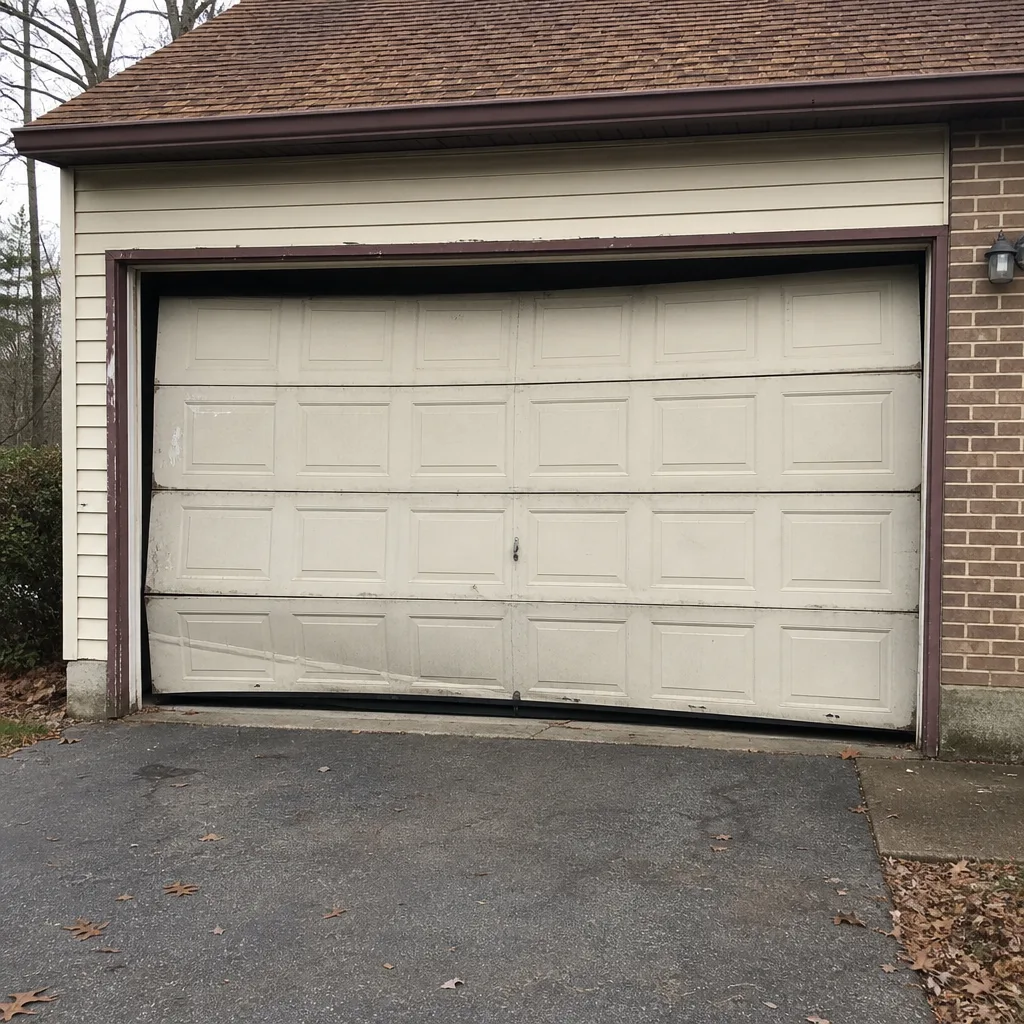 Before
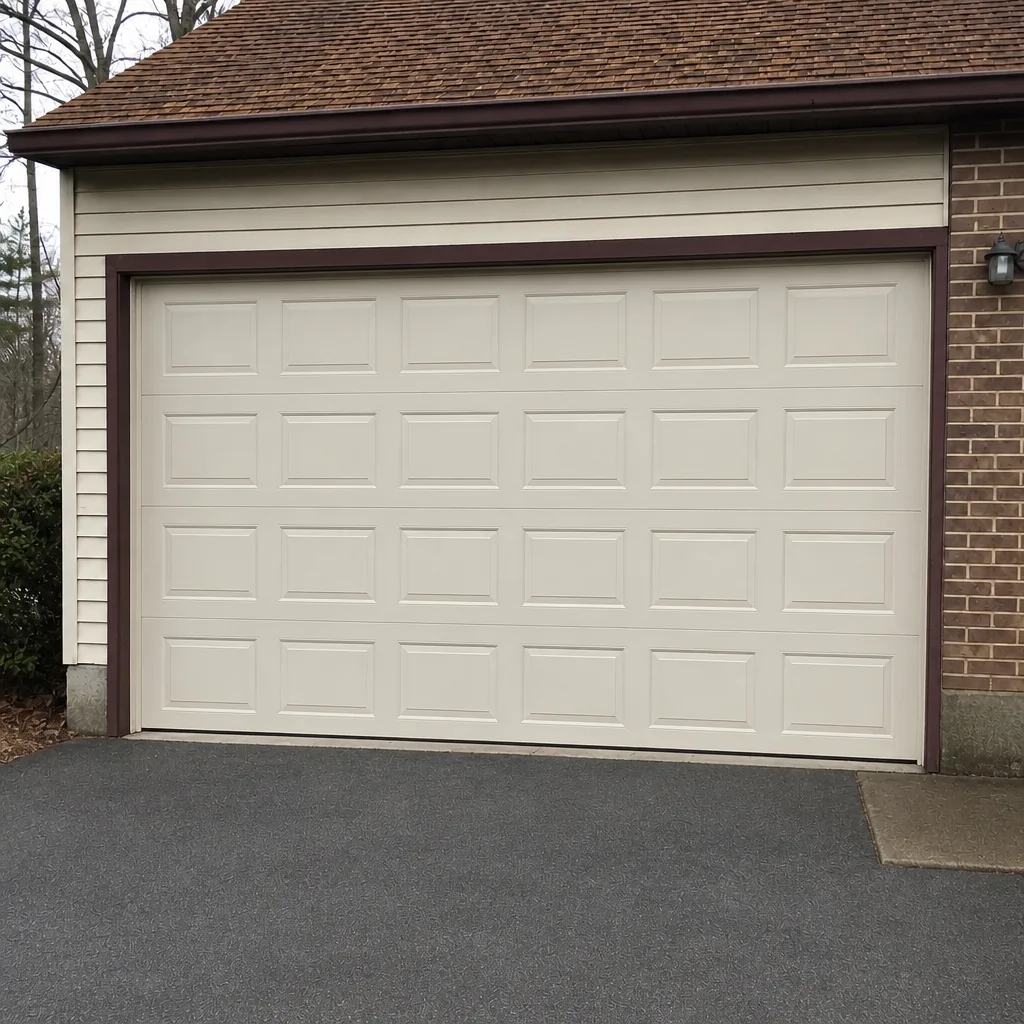 After
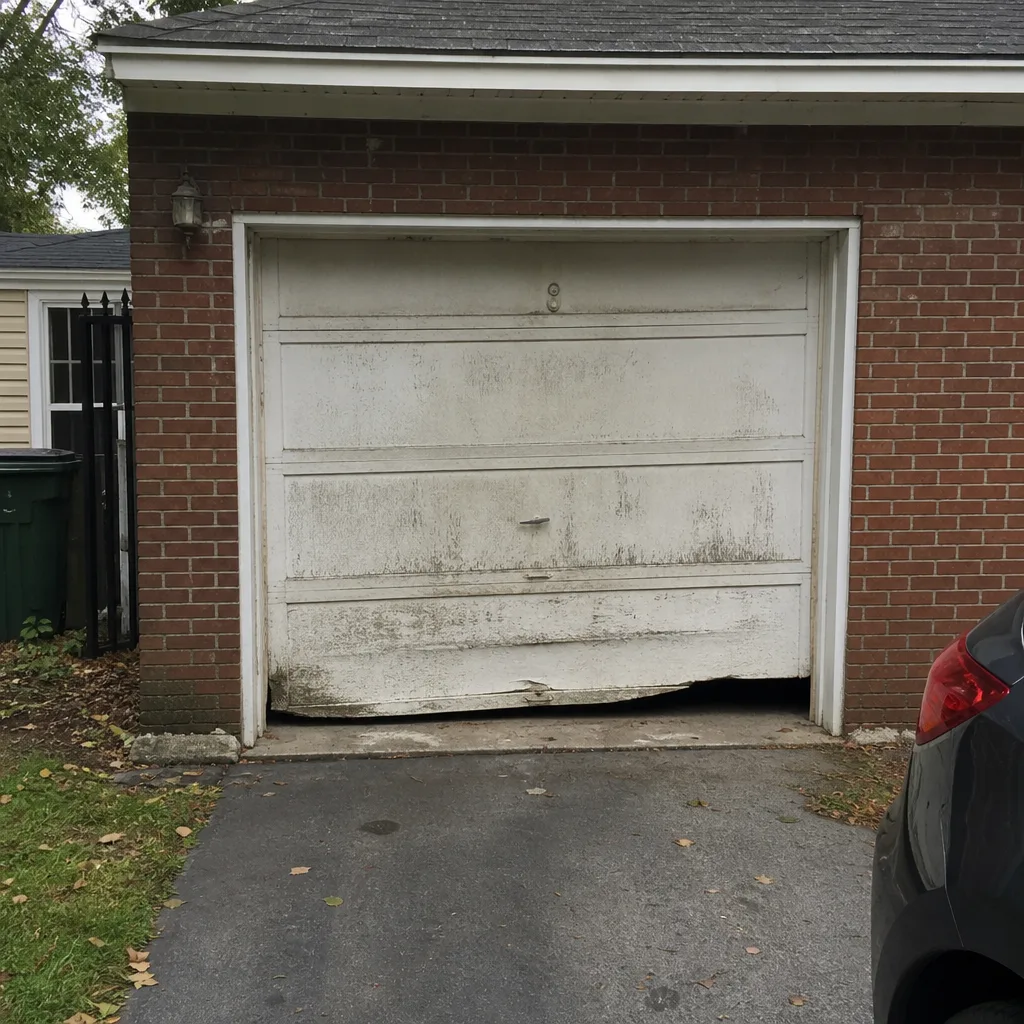 Before
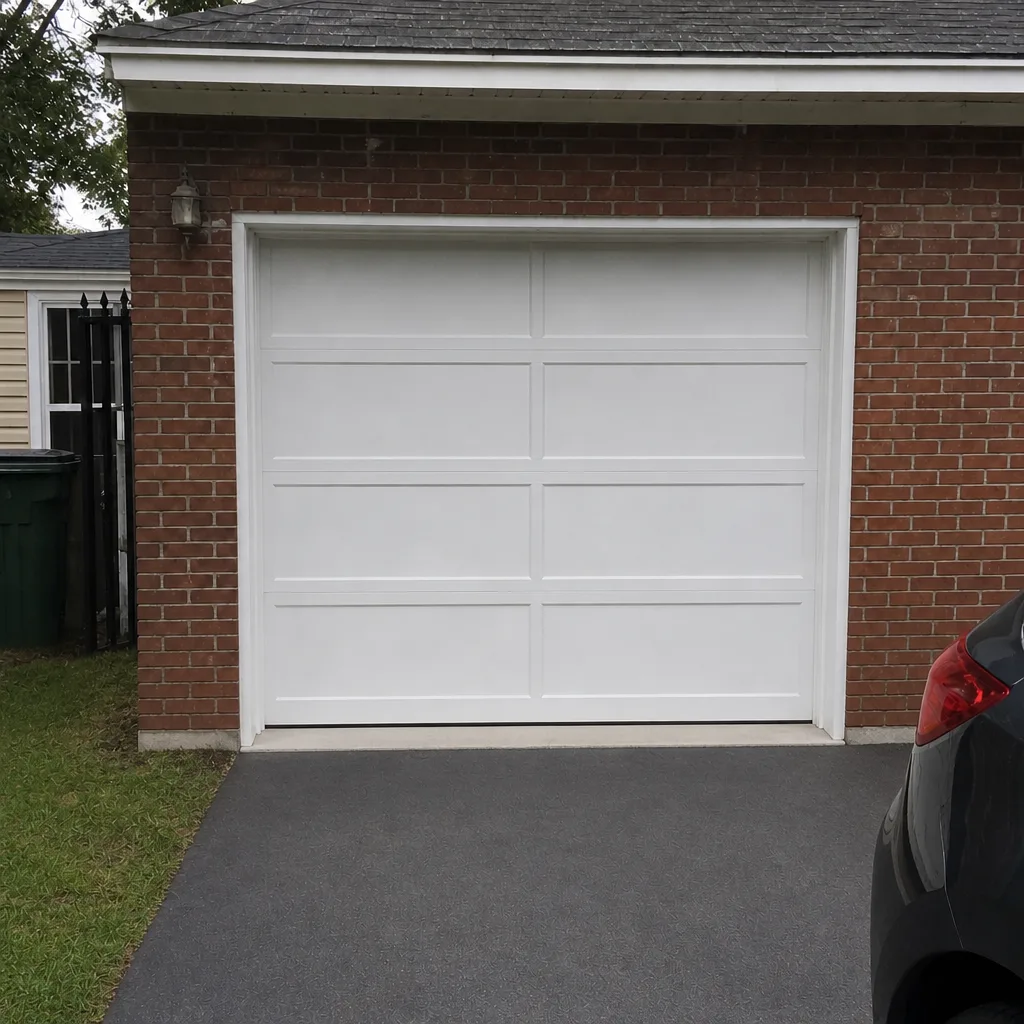 After
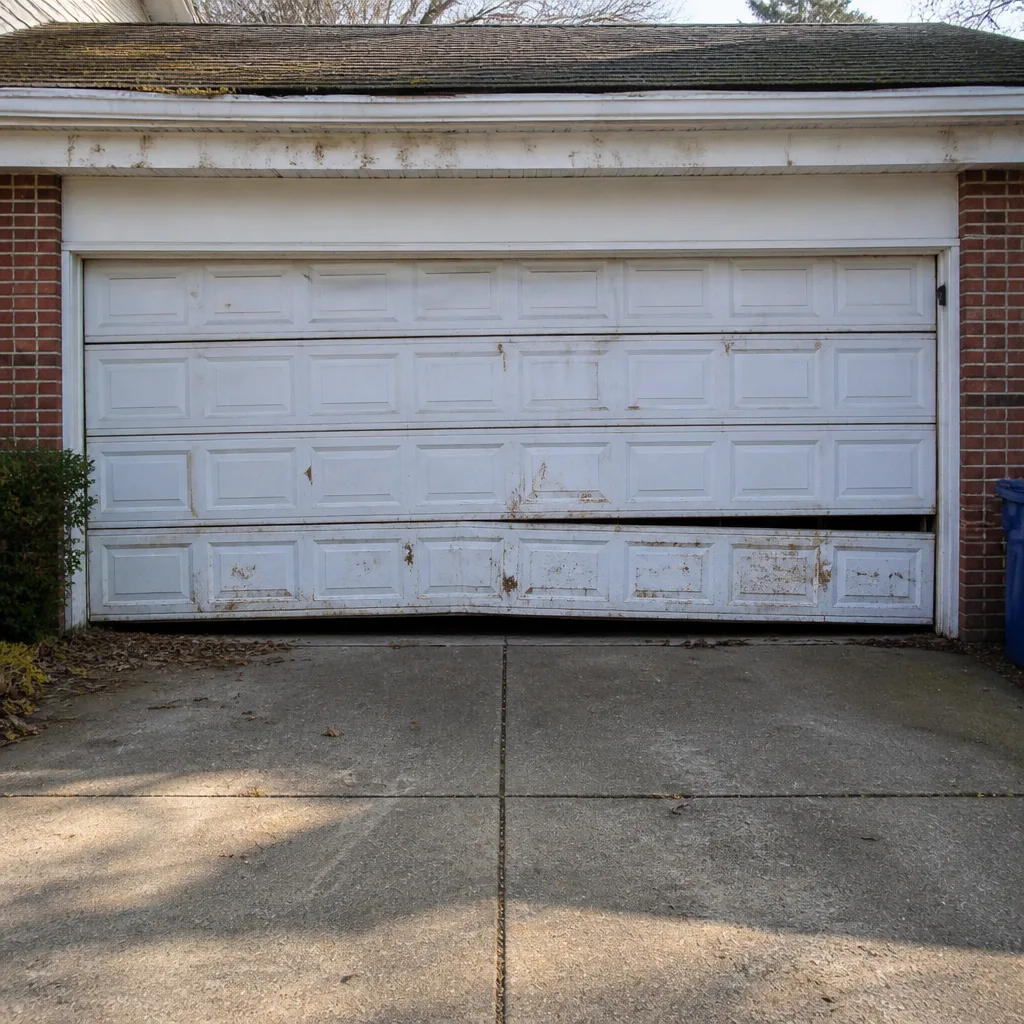 Before
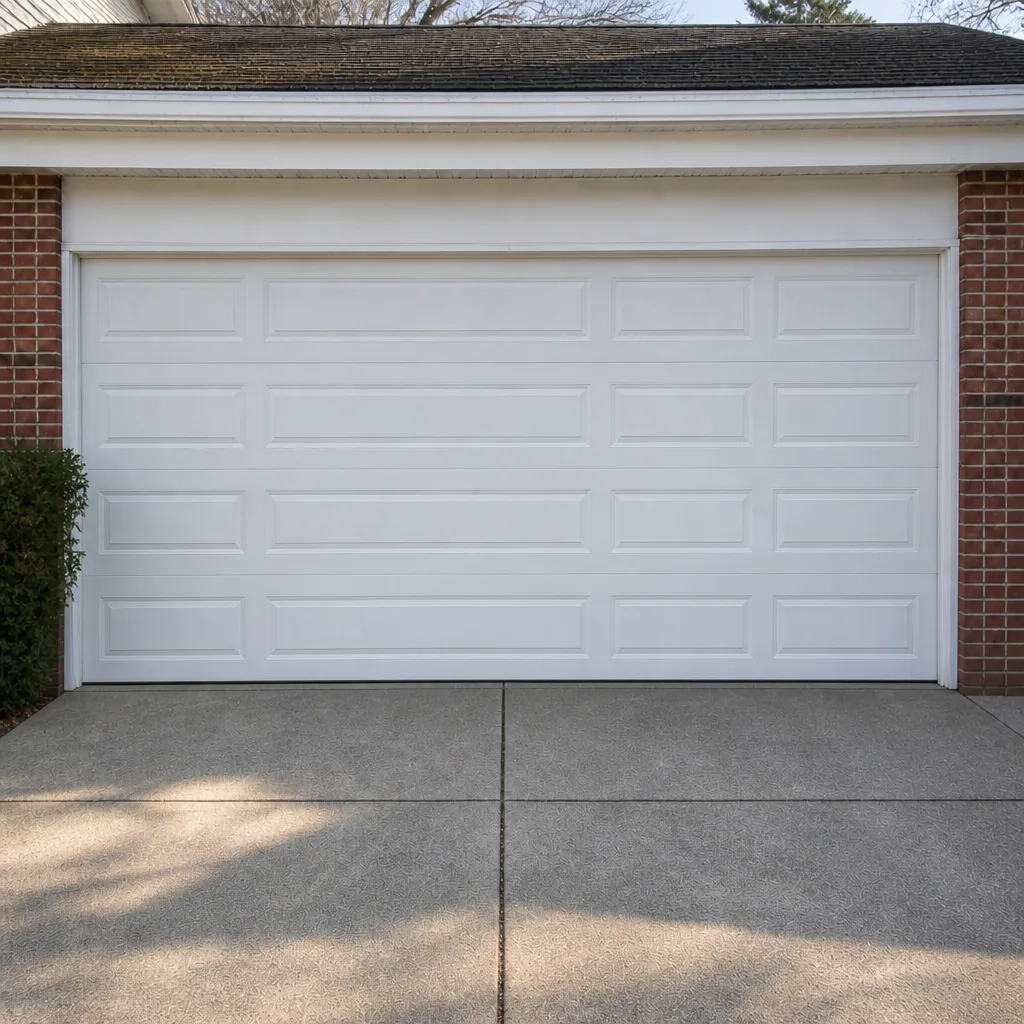 After
Frequently Asked Questions
Once a year, and September is the right month in Columbia. A single annual professional tune-up scheduled before the cold season catches most spring and cable wear before it turns into a failure. Between annual visits, run the five-point visual inspection monthly and lubricate the hinges and rollers at the start of fall. If you want to schedule a tune-up now, call (855) 506-9884 – estimates are free.
Typical maintenance and tune-up visits in the Columbia area run in the range of $89 to $189, though the exact price depends on your door type and whether any parts need replacing. A spring replacement is priced separately and a matched pair of springs usually costs about twice a single spring repair. Every price is quoted and agreed before any work starts. Call (855) 506-9884 for an exact quote.
Yes. Lubrication is one of the safest garage door tasks for a homeowner. Use a garage-door-specific lubricant on the hinges, rollers, and spring coils; never on the tracks. Never reach up toward the spring coils while the door is under tension. If you’re unsure whether a component needs grease, leave it and have a technician look at it during your annual tune-up.
A door that has become noticeably heavier to lift, or that drops quickly when you let it hang halfway during a balance test, is likely working with a weakened spring. You may also notice the opener runs a beat longer than it used to before the door is fully up. A visible gap in a torsion spring coil means the spring has already broken. In that case, don’t run the door – call (855) 506-9884.
Repair is usually the right call if the door’s panels are intact, the tracks are straight, and the problem is mechanical (springs, cables, rollers, or opener). Replacement makes more sense when the door has serious panel damage, persistent rust at the frame, or when you’re upgrading to an insulated door. We’ll tell you honestly which path makes sense for your door. Call (855) 506-9884 for a free estimate.
Yes. Emergency garage door service is one of our core offerings, and it’s a real availability signal, not a marketing phrase. If your door is stuck open, stuck closed, or hanging crooked from a broken spring, call (855) 506-9884. We answer 24/7, with fast dispatch from 7am to 7pm, Sunday through Friday. A call outside dispatch hours is booked into the next opening.
The Bottom Line
The right maintenance checklist for a Columbia garage door is short, timed, and honest about what’s dangerous. Run a five-point visual inspection monthly. Lubricate hinges, rollers, and springs in September. Balance-test the door each fall. Watch your cables and springs because they fail quietly. Log what you notice so a technician can spot the trend. Skip anything that involves spring tension or cable adjustment – those belong to a trained professional. Book one September tune-up each year, and your door goes into every Columbia winter with the best chance of making it through without a surprise. A garage door is a simple machine, and a simple machine that gets timed maintenance lasts longer than one that doesn’t. If you’d like a quote, our team at Columbia Garage Door Repair Co can help. Call (855) 506-9884 for a free estimate.
Written by the team at Columbia Garage Door Repair Co.